
Vandaag of morgen in huis

Kwaliteit gegarandeerd

Welkomstaanbiedingen ontgrendelen: GRATIS bezorging | Tot 80% korting | Gratis 30 dagen JoyPlus-proefperiode
Download de app
A toddler bed rail can help block off the open side of a bed. However, not every model is suitable for every toddler bed. If the rail is the wrong length, not high enough or difficult to attach, it may end up unused or fail to fit properly.
When comparing models, focus on their dimensions, materials and how they attach to the bed. Below, you’ll find the key things to consider, along with three practical options for different family needs.
A 150 cm bed rail may sound generous, but the right length depends on which side of the bed you want to block off. First, measure the section of the mattress and bed frame where the rail will go. Also check whether you’ll need to leave room for your child to get in and out.
A 90 cm bed rail can be a practical choice for a short toddler bed or if you want to leave an opening. A 150 cm bed rail covers more of the bed’s length, but won’t automatically fit every bed.
A low bed rail may not be high enough if the mattress is thick or your child moves around a lot in their sleep. Check the height of the rail in relation to the top of the mattress. Some models are height-adjustable, so you can position them to suit the bed.
Please note: an adjustable bed rail is only useful if it remains stable after installation and fits the bed properly.
Not all beds have the same construction. A bed rail designed for a sturdy frame may attach differently from one intended for a bed with storage, a thick mattress or an unusual edge.
Before buying, check:
Only use a bed rail from 18 months if this is stated in the product information. Always take your child’s development and behaviour into account, too.
The length determines how much of the bed is covered. Check the rail’s height from the top of the mattress, not just from the bed frame. A thicker mattress can reduce the effective height of the rail.
For example, a 90 cm toddler bed rail is suitable if you want to protect a compact section. A longer 150 cm model may be a better fit for a longer bed, provided the attachment method and bed dimensions are compatible.
Many bed rails combine fabric with metal tubes or another lightweight frame. Polyester and similar fabrics are often practical, especially if the cover can be removed or washed. Check the product description for the exact materials and washing instructions.
A fabric bed rail for a child should be able to dry thoroughly after cleaning. Also check regularly for loose seams, damage or bent frame parts.
A foldable bed rail is handy if you want to put it away temporarily or take it with you. An adjustable model may be a better fit for mattresses of different thicknesses, but only within the range specified by the manufacturer.
A bed rail is no substitute for correct installation. Follow the instructions and check afterwards that the rail doesn’t move, tip or come loose when pressure is applied.
The options below have been selected based on their stated dimensions, materials, adjustability and features. Always check the latest product information and measure your bed before ordering.
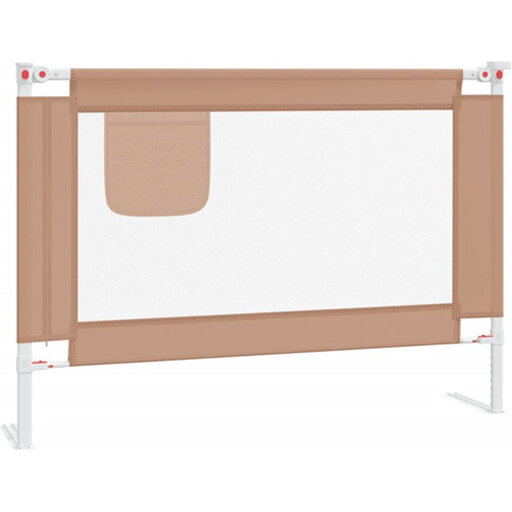
Why it suits this need: At 90 cm long, this rail is a good size for a compact toddler bed or for parents who want to block off a smaller section while leaving an entrance. According to the product information, it is suitable for children aged 18 months to 5 years.
The product information describes a height-adjustable design. This lets you position the rail to suit the mattress, within the stated fitting and usage guidelines.
90 x 25 cm; polyester cover and lightweight metal tubes; height-adjustable according to the product description.

Why it suits this need: Measuring 150 x 42 cm, this model is longer and taller. It may suit parents who want to cover more of the bed and have carefully measured the available space beforehand.
The height and length are clearly stated, so you can compare them with your mattress and the open side of the bed rather than relying on general marketing claims.
150 x 42 cm; polyester material; folds away for storage according to the product information.
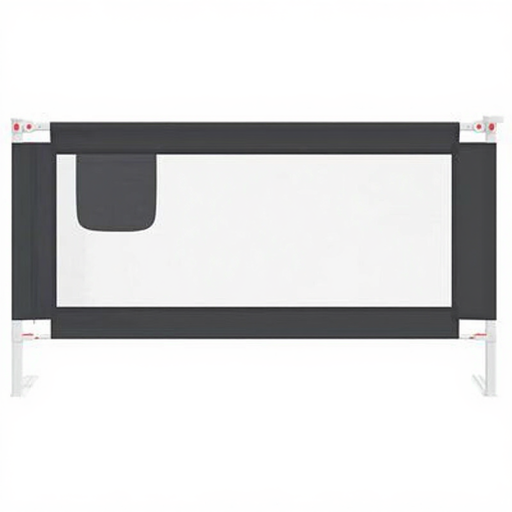
Why it suits this need: At 150 cm long, this rail is suitable if you want to cover a longer side of the bed. The dark grey fabric finish also works well with a range of bedroom styles.
Its fixed size of 150 x 25 cm makes it easy to check in advance. That way, you can avoid discovering after purchase that the rail is too short or too high for your bed.
150 x 25 cm; fabric design; dark grey; Dutch-language instructions according to the product information.
We’ve put together a complete, up-to-date list of products that meet these strict selection criteria and the applicable European safety requirements.
After installation, check that the rail is straight and firmly attached. Make sure the mattress fits snugly and that there are no gaps where a child could become trapped. Read the warnings in the instructions and only use the product within the stated age and size limits.
Check the fittings regularly, especially if the bed is moved often or your child pushes against the rail. Replace any damaged parts, and stop using the bed rail if it no longer fits properly.
No. The age guidance is just one factor to consider. Also check the bed dimensions, mattress thickness and fitting method, and take your child’s development into account. Use the bed rail according to the manufacturer’s instructions.
Its lifespan depends on the material, how it is fitted and how often it is used. Check the frame, fabric, seams and attachment points regularly. If you notice wear or looseness, it’s better to replace the rail than continue using it.
Not necessarily. A bed rail needs to suit the construction of both the bed and the mattress. Measure the available length and height first, and check that the attachment method is suitable for your type of bed.
