
Vandaag of morgen in huis

Kwaliteit gegarandeerd

Welkomstaanbiedingen ontgrendelen: GRATIS bezorging | Tot 80% korting | Gratis 30 dagen JoyPlus-proefperiode
Download de app
A toddler rolling out of bed during the night can be worrying. A toddler bed guard can help shield the open side of the bed, but not every model is suitable for every mattress, bed base or sleeping arrangement. If you focus only on the price or an attractive product photo, you could end up with an unstable fitting, the wrong height or something that’s awkward to use every day.
These tips will help parents and carers in the UK compare toddler bed guards with confidence.
A 150 cm bed guard might seem suitable for covering much of the bed, but its length isn’t the only thing to consider. Check the height from the mattress to the top edge and how much space the guard needs beneath the mattress. A bed guard may be too low with a thick mattress, or awkward to use with a low toddler bed.
Not every bed safety guard is suitable for every type of bed. A bed with a wide rim, adjustable base, trundle bed or non-standard mattress size may need a different fitting. So check the assembly instructions and which bed designs the guard is suitable for before you order.
A folding bed guard is handy when you want to change the bedding or lower the guard temporarily. However, its hinges should move smoothly while still feeling secure. If you choose a fabric bed guard, washable covers are useful, especially for everyday use. Check that there are no gaps between the mattress, guard and bed frame.
A 90 cm bed guard may suit a shorter toddler bed, or work if you only want to shield the area beside your child’s upper body. A 150 cm bed guard covers more of the side of the bed and may be more practical for a longer bed. Always measure:
For example, a size of 150 × 25 cm doesn’t mean the guard will extend 25 cm above every mattress. The usable height depends on the design and how the guard sits beneath the mattress.
A metal frame or lightweight metal tubes can provide a sturdy base, while polyester or other fabric parts help keep the weight down. Look for a cover that the product information confirms is washable. A grey bed guard or a taupe one often blends in well with bedroom décor, but colour doesn’t affect how it fits or how stable it is.
Always follow the manufacturer’s age guidance. According to the product information, one of the models described is designed for children aged 18 months to 5 years. Don’t use a bed guard as a substitute for supervision or a suitable sleep environment.
Before use, check:
A CE mark or general safety statement doesn’t, on its own, tell you whether a product will fit your bed. If you’re unsure, ask for the instructions, fitting method, dimensions and relevant product information. Don’t modify the frame in ways the manufacturer hasn’t described.
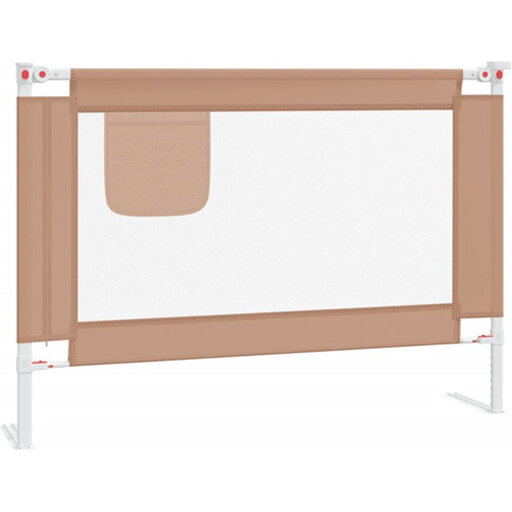
Why it suits this need: At 90 cm long, it’s a manageable size for a shorter toddler bed or a bed where you don’t need to shield the entire side.
The product description says the height is adjustable. This lets you position it to suit the mattress, but check the exact adjustment range and fitting method before buying.
Washable polyester, lightweight metal tubes and stated suitability for children aged 18 months to 5 years.

Why it suits this need: This model combines a longer guard with a height of 42 cm. It’s designed for buyers who have carefully measured their bed.
The extra height reduces the chance of a child easily reaching over the top edge. You should still check the mattress thickness and the space beneath the mattress.
Dimensions of 150 × 42 cm, polyester material and a folding design, according to the product description.
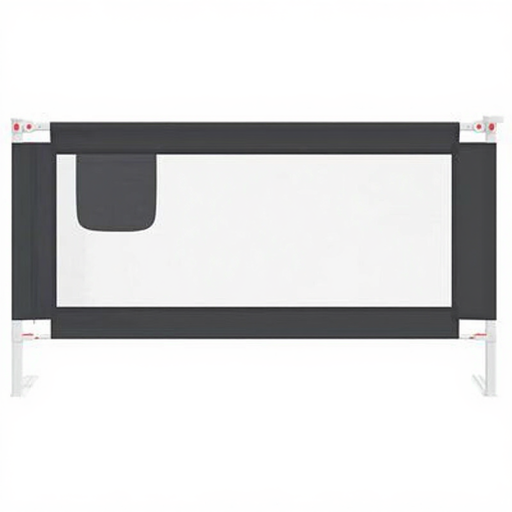
Why it suits this need: At 150 cm long, it’s suitable for a longer bed. The dark grey fabric works well with a neutral bedroom scheme.
The fixed dimensions make it easy to measure in advance. As the stated height is 25 cm, check carefully that it will extend far enough above your mattress.
Dimensions of 150 × 25 cm, fabric construction and a manual in Dutch, according to the product information.
We’ve put together a complete, up-to-date list of products that meet these strict selection criteria and the applicable European safety requirements.
It depends on the product. Check the age guidance in the product information and manual. One of the models mentioned is stated as suitable for children aged 18 months to 5 years. You should also consider your child’s behaviour: a child who tries to climb may pose a different risk from one who stays lying down calmly.
Position the bed guard according to the instructions and check that the fittings are compatible with the bed frame. The guard must not come loose or create a gap between the mattress and frame. Test the setup before bedtime, and check again after changing the bedding to make sure everything is secure.
How long it lasts depends on the material, fitting, use and care. Regularly check the tubes, seams, hinges and fixing points. Replace the bed guard if any parts are bent, the locking mechanism doesn’t work properly or the fabric is damaged. Always follow the manufacturer’s age limit, even if the product still looks in good condition.
