
Toastie and sandwich makers
For toasties, croque-monsieur and club sandwiches, you’ll want soft bread slices. Albert Heijn describes its toastie breads as suitable for these kinds of recipes; crisp party toast is a different type of product.


For warm toasties, croque-monsieur or club sandwiches, soft toastie bread is the obvious choice. Go for wholemeal if fibre content matters to you, or white if you want a white bread base. Crisp toast and Melba toast work well for small topped bites, but they’re not a like-for-like substitute for soft slices. If you need medium-sliced bread, check the slice thickness on the packaging; the word ‘Half’ tells you nothing about this.
For toasties, croque-monsieur and club sandwiches, you’ll want soft bread slices. Albert Heijn describes its toastie breads as suitable for these kinds of recipes; crisp party toast is a different type of product.
If wholemeal is a priority when choosing a bread base, the fibre content per 100 g makes it easier to compare specific products. Also check that the bread suits the dish you want to make.
For small topped bites, you may prefer crisp toast or Melba toast. That’s a different choice from soft slices for a hot sandwich.
First decide whether you’re making soft sandwiches or crisp bites. Then compare the nutritional information and check the slice thickness separately if you need medium-sliced bread.
| What to consider | What to check when buying | Who it matters to |
|---|---|---|
| Bread type and slice thickness | Check whether it’s soft toastie bread or crisp toast. If medium-sliced bread is essential, check the slice thickness on the packaging. | For a hot toastie, I want soft slices, but for topped bites I want crisp toast; around 42% of consumers prioritise choosing the right type of bread. |
| Wholemeal and fibre | Check whether the bread is explicitly labelled wholemeal and compare the fibre content per 100 g. ‘Multigrain’ doesn’t automatically mean wholemeal. | When I’m looking for wholemeal bread, I want to compare the fibre content rather than judge by colour alone; around 33% of consumers prioritise this. |
| Ingredients and labelling | Read the current allergen information and compare the salt content per 100 g. Check the ingredients for baker’s salt or iodised salt if that’s relevant to your choice. | I want to know which ingredients and allergens my bread contains, and what type of salt has been used; for around 25% of consumers, this information on the label matters most. |
Crisp toast, Melba toast and crispbread are different from the soft slices used for a hot toastie or croque-monsieur. So they may not be suitable for the dish you’re making.
Choose toastie bread for a soft sandwich, and crisp toast or Melba toast for small topped bites.
According to the Voedingscentrum, using baker’s salt in breadmaking isn’t compulsory. So neither the type of bread nor the shop tells you which salt has been used in a particular product.
Check the ingredients for ‘baker’s salt’ or ‘iodised salt’ if this information matters to your choice.
You can’t directly compare a value per serving with one per 100 g. Nutritional information can also vary between products of the same type of bread.
Always compare fibre and salt per 100 g, and use the label on the pack you’re buying.
In product names such as Jumbo Tostibrood Volkoren Half, ‘Half’ doesn’t mean that the individual slices are medium-sliced.
Check the slice thickness on the packaging or ask in store if it’s important for your dish.
Albert Heijn describes white and wholemeal versions of AH Extra lang lekker tostibrood for toasties, sandwiches and more.
Jumbo describes both white and wholemeal toastie bread, as well as toast crackers for crisp bites.
Jumbo lists Van der Meulen Melba Toast Naturel and Melba Volkoren Toast in its range of toast crackers.
ALDI describes Van Vlegelaar Krokante Tarwe Toast as rectangular, oven-baked toast crackers for toppings.
Bolletje describes Echte Beschuit as a crisp product for anyone who specifically wants crispbread as a base for toppings.
These Joybuy products suit two different types of dish: a toast product for sandwiches and crisp Melba toast for topped bites. If you’re making a sandwich, check the slice thickness if you need medium-sliced bread.
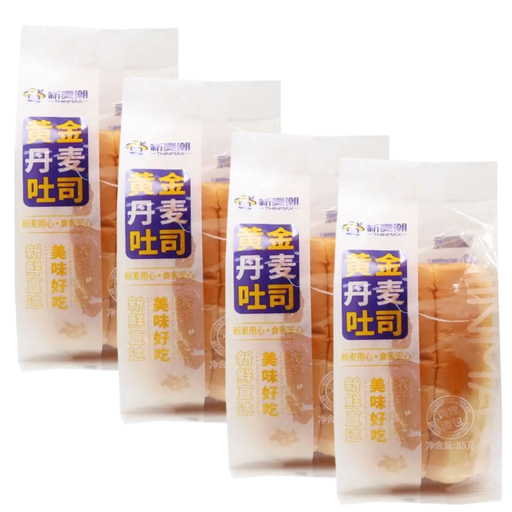 Image unavailable
An option if you’re looking for toast to use as a sandwich base. Check the packaging to make sure the slice thickness suits your recipe, and read the latest ingredients information if you have allergies.
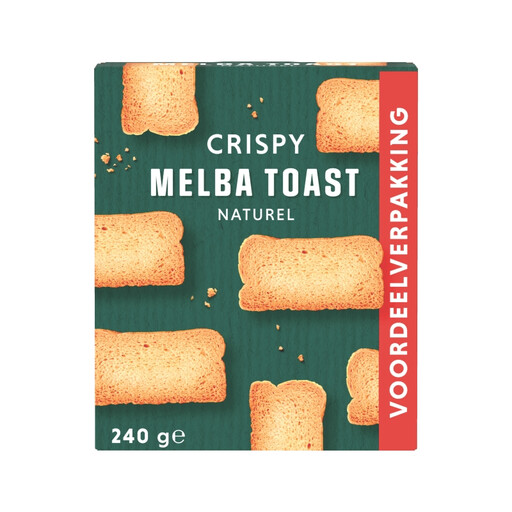 Image unavailable
For small topped bites when you want a crisp base, not for a soft toastie with medium-sliced bread. If you have allergies, make sure you check the ingredients and allergens on the current packaging.
No. According to the Voedingscentrum, using baker’s salt in breadmaking isn’t compulsory. Check the ingredients for ‘baker’s salt’ or ‘iodised salt’ on the specific bread instead of relying on the type of bread.
Choose wholemeal if you prefer a wholemeal base and want to compare fibre content; white bread may suit you if you’re looking for a white base for your toastie. Jumbo lists 6.4 g of fibre per 100 g for Tostibrood Volkoren Half and 2.3 g per 100 g for Tosti Brood Wit Half. Before you buy, compare the current labels of the products you’re considering.
Not if you need soft slices for a hot toastie. Melba toast and crispbread are different types of product; choose them when you specifically want a crisp or crunchy base for small topped bites.
Always check the label on the specific product: the toastie breads described list cereals containing gluten and wheat, and the Albert Heijn varieties described also list soya. Read both the ingredients and any warnings about possible traces on the packaging you buy.