
Lover of thick slices
You want your thickest slice to fit into the slot without getting stuck. So, compare the size of your bread with the slot dimensions before weighing up extra features.


Choose a toaster based on the size of the bread you use: for thick slices, slot width matters, while long slices also call for longer slots. Then compare capacity, browning settings and how easy it is to clean. A manufacturer's claim about slot width or browning settings does not guarantee that your bread will fit or toast evenly.
You want your thickest slice to fit into the slot without getting stuck. So, compare the size of your bread with the slot dimensions before weighing up extra features.
You use slices that may need a longer slot as well as sufficient width. Check the length and width of your bread separately.
You want to toast one or more slices to your liking and remove crumbs easily. How many slices you make at once will help you decide which capacity is practical.
Start by measuring your bread, then choose the capacity and features you’ll actually use during a short break.
| What to consider | What to look for | Who is it most relevant for? |
|---|---|---|
| Room for thick slices | Compare the width of your thickest slice with the slot dimensions of the exact model. Also check whether the slots centre the bread. | If your main concern is stopping a thick slice from getting stuck, check the slot dimensions first. Around 42% of consumers are primarily concerned about fit. |
| Room for long slices | Measure the length of your bread, and also check the slot width and how much worktop space a long-slot model takes up. | If you use long slices, you’ll want to know whether they fit in the slot, while also checking their thickness. Around 25% of consumers prioritise bread length. |
| Number of slices per cycle | Check how many slices of your bread size fit at once. A four-slice capacity does not mean that four thick slices will fit. | If you want to toast several suitable slices at once during a break, compare the capacity with your bread size and the available worktop space. Around 17% of consumers focus primarily on capacity. |
| Browning and cleaning | Check which browning settings, stop or defrost functions and crumb tray the exact model has. More settings alone are no proof of more even toasting. | If your slice fits, adjustable browning and easy crumb removal could help you decide. Around 16% of consumers prioritise controls and maintenance. |
A relative description such as Philips’ ‘10% wider slot’ doesn’t tell you whether your thickest slice will fit unless it’s accompanied by a suitable absolute measurement.
Measure your bread and compare its width and length with the dimensions of the exact model before choosing.
A long slot may accommodate long slices, but the stated capacity doesn’t confirm that thick or unusually shaped slices will fit.
Check the length and width separately, and only choose extra capacity if you need it.
An adjustable setting gives you more control, but on its own it says nothing about how evenly the bread will brown.
Treat settings as usage features and assess toasting results separately. The Consumentenbond assesses colour and evenness as separate test criteria.
The Viva HD2639/90 is worth considering if you usually toast two thick, standard-length slices.
According to Tefal, the Collection TT7208E0 combines two extra-wide slots with a range of controls and functions.
The AT 2509 is a long-slot option for anyone who also wants to toast long slices or several standard slices.
The Identity 2 HT5220 is another long-slot option to compare.
This selection includes toasters with wide slots and a long-slot model. Check the dimensions of the exact model against your own bread: a description such as ‘wide’ or ‘long’ doesn’t guarantee a fit.
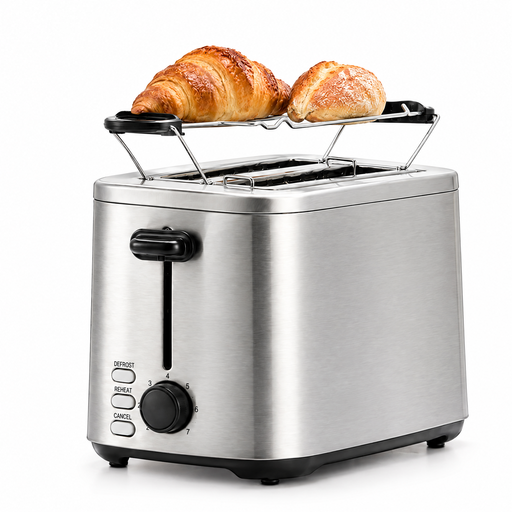 No image available
Worth considering if you usually toast two slices at a time; check that the slot dimensions suit your thickest slice.
Listed features: 800 W, seven browning settings, a rack and an uncoated stainless steel housing.
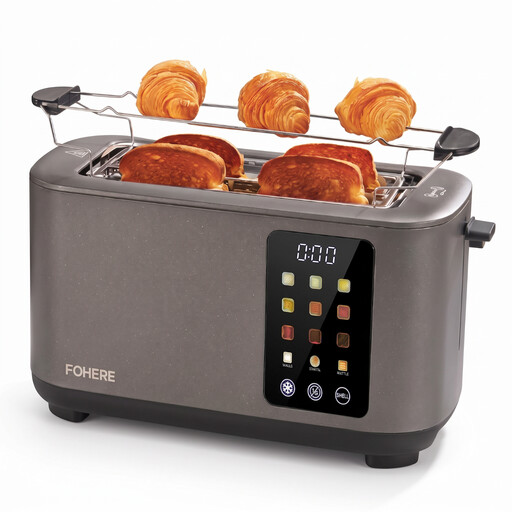 No image available
Worth considering if you want to toast long slices or several slices per cycle; a four-slice capacity doesn’t automatically mean four thick slices will fit.
Listed features: 1400 W, touchscreen with LCD display, nine browning settings, three bread types, defrost, reheat and a stop function.
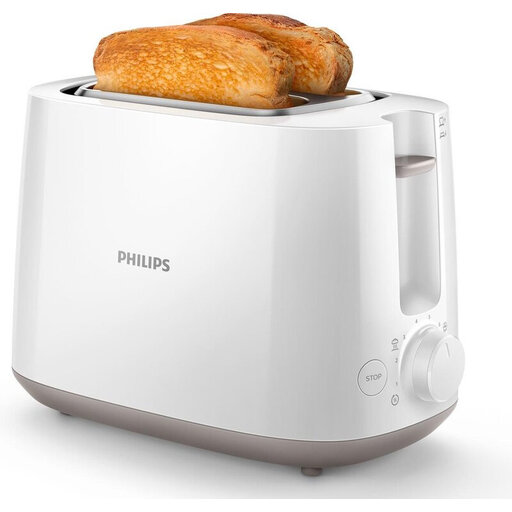 No image available
A model to compare if you’re weighing up browning settings and extra features; check separately whether the slot suits your bread.
Listed features: eight browning settings, four functions, a rack, a defrost function and a white finish.
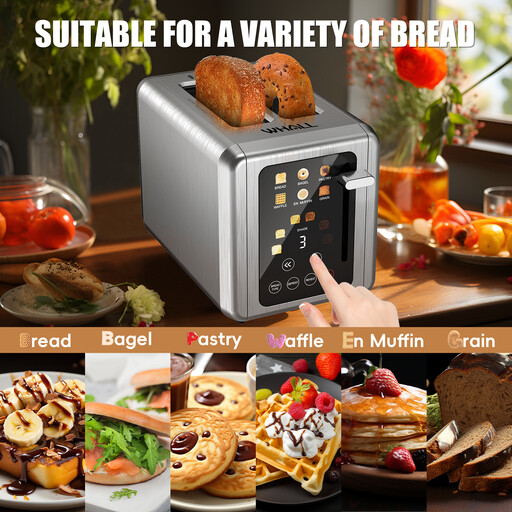 No image available
Worth considering if the stated slot width suits your bread; compare the dimensions before choosing based on the word ‘wide’.
Listed features: two-slice capacity, six browning settings, six bread types, memory function and countdown timer.
 No image available
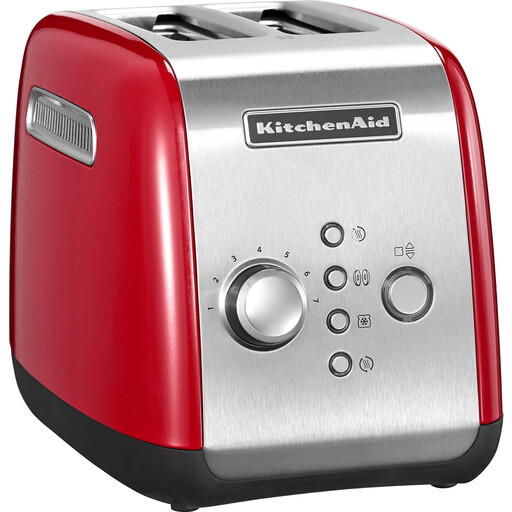
Worth considering if you’re looking for a two-slice model with extra-wide slots; check the actual slot dimensions against your thickest slice.
Listed features: seven browning settings and a red finish.
Measure the thickness and length of the largest slice you use, then compare them with the specifications for the exact model. ‘Extra-wide’ and ‘long slot’ describe different features and, without matching dimensions, don’t guarantee that your bread will fit.
No. Browning settings give you more options, but even browning is a separate result. The Consumentenbond assesses colour and evenness for both fresh and frozen bread, among other things.
Check whether the exact model has a removable crumb tray and follow its operating and cleaning instructions. Tefal lists one for the TT7208E0; this isn’t a standard feature on all toasters.
For a standard online consumer purchase in the Netherlands, you generally have a 14-day cooling-off period from the day after delivery, according to ACM ConsuWijzer. The product must also meet the standard you could reasonably expect when used normally; the retailer is your point of contact for the statutory guarantee. A manufacturer's guarantee does not automatically cover the full duration of that statutory right.
Yes. The Netherlands Nutrition Centre states that acrylamide can form when starchy foods, including toasted bread, are heated. Choose the level of browning you prefer, but don’t treat very dark toast as a measure of quality; no model-specific toaster setting is mentioned.