
Fan of one-sided toasted bagels
You mainly want to toast the cut side while keeping the outside softer. Check what the bagel function does on the exact model.


If you want a crisp cut side with a softer outer crust, choose a model whose manufacturer explicitly describes a one-sided bagel function; wide slots alone won’t guarantee that result. For entertaining, the slot layout and stated capacity matter, but a capacity given in slices of bread doesn’t tell you how many bagel halves will fit. So check the dimensions of your bagels and how the exact model works before you choose.
You mainly want to toast the cut side while keeping the outside softer. Check what the bagel function does on the exact model.
You want to prepare several halves at a time, so look at the capacity, slot layout and whether the controls work independently.
You’re looking for slots and functions that suit your needs, without choosing a larger appliance than you usually need.
First decide whether one-sided browning matters to you. Then check the fit and how many batches you’ll need for your guests, and finally consider how much worktop space you have.
| What to consider | What should you check? | Who is this important for? |
|---|---|---|
| One-sided toasting | Look for a bagel function on the exact model that explains which side gets toasted. | I want the cut side to brown more than the outside, not just for the bagel to fit in the slot. Around 36% of consumers prioritise one-sided toasting above all else. |
| Portions for guests | Check the number of slots, their layout and whether the controls work independently. | If friends are coming for breakfast, I want to know how many halves fit at once and whether I can set different portions separately. Around 29% of consumers prioritise the number of portions per batch. |
| Bagel fit | Compare the dimensions of your bagels with the stated slot dimensions and layout. | I want my usual bagels to fit in the slots, even if the toasting function is suitable. For around 21% of consumers, fit is the most important factor in their choice. |
| Controls and cleaning | Check the browning control, stop function and removable crumb tray on the version you’re considering. | With regular use, I want to choose settings easily and remove crumbs without hassle. Around 14% of consumers put controls and maintenance first. |
Being able to fit a bagel in the toaster doesn’t mean the cut side will be toasted on its own. Smeg describes this function for the TSF02BLEU; wide slots alone don’t tell you that.
Look up the exact model and check what its bagel mode does to both sides.
The stated capacity is for slices of bread. Bagels vary in thickness and diameter, so you can’t assume how many halves will fit.
Compare your bagels with the slot dimensions and check the layout before counting on one batch being enough for all your guests.
A manufacturer’s guarantee is not the same as your right to receive a product that is fit for purpose. The Dutch government points out that there is no fixed statutory guarantee period in the Netherlands.
Keep your proof of purchase and contact the retailer if you have a problem with a faulty product.
According to Severin, the AT 2620 has two slots and a bagel function, while the AT 2621 has two long slots and a stated capacity of four XXL slices of toast.
According to KitchenAid, the 5KMT221 has two extra-wide slots, while the 5KMT4205 has four slots and two independently controlled pairs.
According to Smeg, the TSF02BLEU has two long slots, a stated capacity of four slices and a function that toasts one side.
The IDCollection HT 5015 is worth comparing if the way it toasts the cut side and adjustable browning are important to you.
The HD2636/20 is an option with wide slots if you don’t necessarily need a confirmed one-sided bagel mode.
These toasters offer a range of options for bagels, toasting several slices at a time and adjusting the browning. For models that don’t clearly describe a one-sided bagel function, check whether the way they work suits your preferences.
 No image available
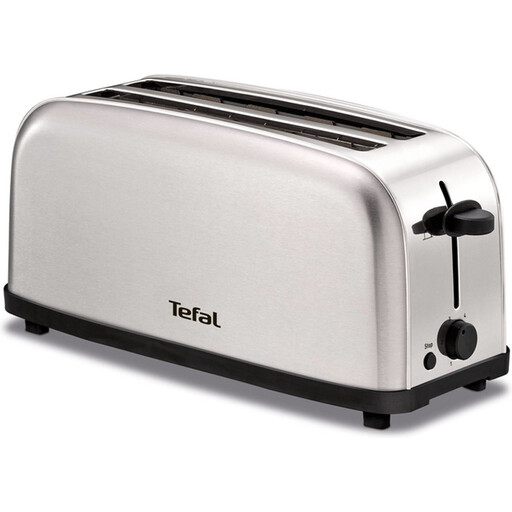
The stated capacity of four slices could be handy for breakfast with guests, but it doesn’t tell you how many bagel halves will fit in the slots.
Two long slots, six browning settings and a removable crumb tray.
 No image available
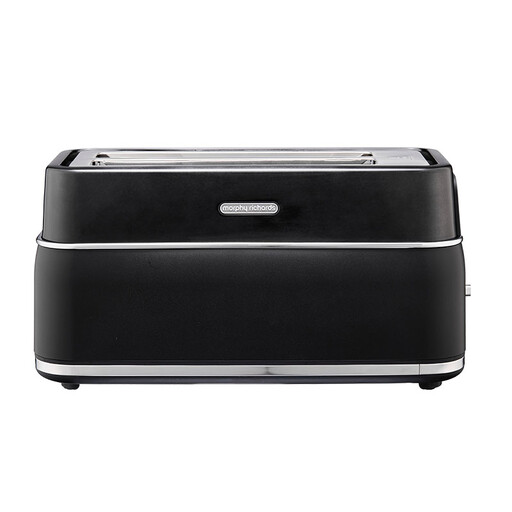
The four-slice capacity could be useful for preparing several portions, but it doesn’t confirm how many bagel halves will fit.
1800 W, extra-long slots, seven browning settings and a removable crumb tray.
 No image available
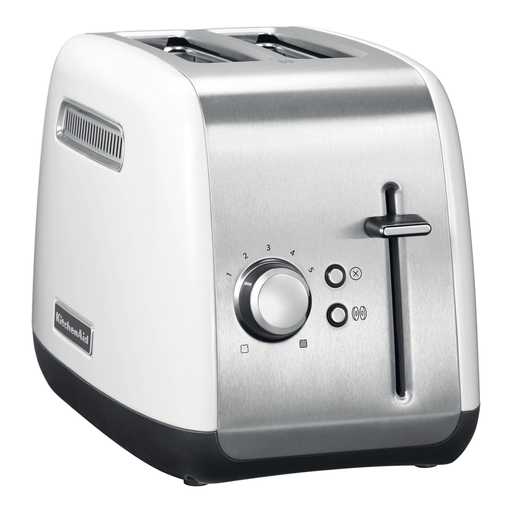
The product description says the bagel function toasts the cut side and warms the outside; the stated capacity is two slices.
Extra-wide slots, five browning settings, a crumb tray and a high-lift lever.
 No image available
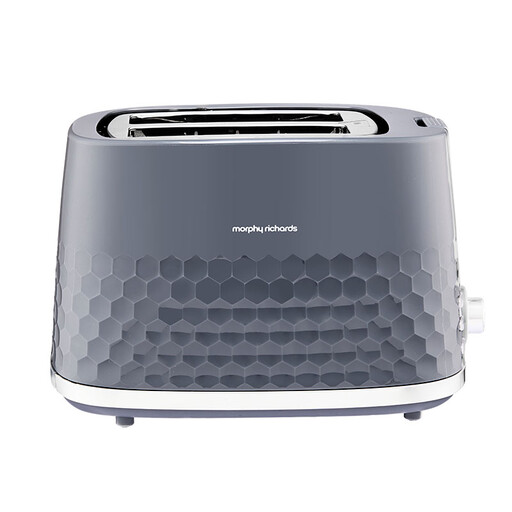
The product description mentions bagels and a bagel function; check what the function does if you mainly want to toast the cut side.
850 W, variable browning, removable crumb tray and defrost, reheat and cancel functions.
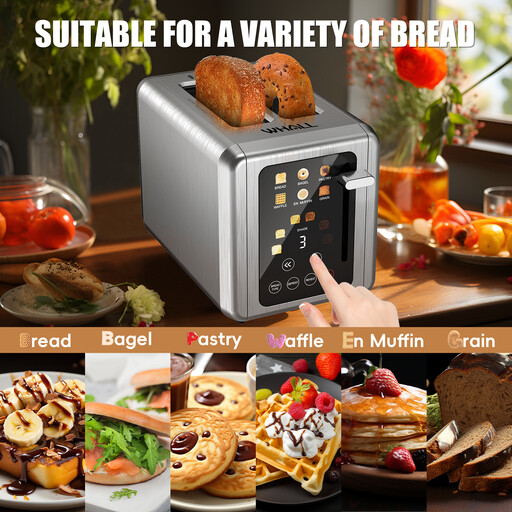 No image available
The description lists a bagel mode, but also says it heats both sides evenly; that’s not the same as toasting just the cut side.
1.5-inch slots, six browning settings, six bread types, a memory function and a countdown timer.
No. A wide slot describes the space available for bread; Smeg also describes a function on the TSF02BLEU that toasts one side. Check what the bagel function does on each model.
Start with a light browning setting and adjust subsequent batches to suit everyone’s preferences. If you want to set two groups differently at the same time, check whether the controls work independently; KitchenAid says they do on the 5KMT4205, with separate controls for each pair of slots.
Follow the cleaning instructions for the exact model. Severin and Smeg list a removable crumb tray for the models mentioned; check the manual for instructions on removing and cleaning it safely.
For distance purchases, you generally have 14 days to change your mind, according to the Dutch government; check whether this applies to your purchase and circumstances. You’re also entitled to a product that is fit for purpose. Contact the retailer if there’s a problem; there is no fixed statutory guarantee period in the Netherlands.