
Drivers and passengers who want a snack straight away
For a short stop, you’ll want something you can eat without toppings or any extra preparation. Bolletje describes its Ciabatta Crackers Tomaat & Kruiden as individually wrapped in pairs.


Choose crackers in small packs if you want a snack on the go with no preparation, and thin melba toast if you’re taking toppings or dip for a stop. A cracker with tomato, herbs or olive oil works well when you want the snack itself to have more flavour, but it’s less neutral as a base for toppings. Check the portions, ingredients and allergens on each pack; the word ‘premium’ says nothing about nutritional value.
For a short stop, you’ll want something you can eat without toppings or any extra preparation. Bolletje describes its Ciabatta Crackers Tomaat & Kruiden as individually wrapped in pairs.
If you’re bringing dip, cheese or a spread, the key thing is whether the toast works as a base for your chosen topping. The sellers describe Van der Meulen Melba Toast and Gran Pavesi Le Sfoglie as suitable for toppings or dips.
If ingredients, allergens or nutritional value will determine your choice, check the specific variety. Compare fibre, fat and salt per 100 g, and also consider how much you actually plan to eat.
First decide whether you want to eat straight from the pack or plan a stop with toppings. Then check the portion packaging and the label of the variety you want to take with you.
| What to consider | What to check | Especially useful for |
|---|---|---|
| Portion convenience | Check the portion packaging and whether you can keep the rest sealed while you’re on the road. | If I’m only stopping briefly, I want to be able to eat something from a small pack without toppings or preparation. Portion convenience would be the main purchasing concern for around 36% of consumers. |
| Toppings and dip | Check whether the toast is described as a base for toppings or dip; choose a plain or flavoured variety that works with them. | When I’ve planned a break, I want to be able to eat my own spread or cheese on toast. Around 29% of consumers would prioritise suitability for toppings or dip. |
| Nutritional information | Compare fibre, fat and salt per 100 g and per portion you plan to eat. | When I’m choosing between varieties, I want to understand what terms such as ‘multigrain’ or ‘premium’ mean in terms of nutritional information. For around 21% of consumers, comparing labels would be the most important factor. |
| Allergens and storage | Read the current ingredients and allergen list, and follow the storage instructions on the pack. | Before setting off, I want to know which ingredients and allergens are in this particular pack and how to store it on the road. This would be the main purchasing concern for around 14% of consumers. |
Flavourings such as olive oil, herbs or sea salt don’t, by themselves, tell you how much fibre, fat or salt a product contains.
Compare the nutritional information for varieties you plan to eat in the same way, both per 100 g and per planned portion.
Tomato, herbs or olive oil contribute to the flavour of the cracker and may not work with your chosen topping.
If you want the topping to take centre stage, consider plain or multigrain melba toast. If you’re having a snack without toppings, the flavour of the cracker itself may be more important.
Which allergens are present or may be present varies by product and variety. A pack you bought before is no substitute for checking the label on your current purchase.
Read the latest ingredients and allergen information, paying particular attention to anything relevant to you.
Rules on baker’s salt don’t confirm which type of salt has been used in a specific toast product.
Check the ingredients on the pack you’ve chosen rather than assuming that toast always contains iodine.
Bolletje presents its Ciabatta Crackers Tomaat & Kruiden as a snack for the road.
Thin Melba Toast is intended as a base for toppings and dips, among other things; the ingredients vary by variety.
Le Sfoglie Classiche is a thin cracker that Albert Heijn describes as a base for tapenade, pesto and cheese, among other things.
These products offer options for a snack without toppings or a planned break with toppings. Check whether the flavour, packaging and nutritional information of each product suit the way you like to eat on the road.
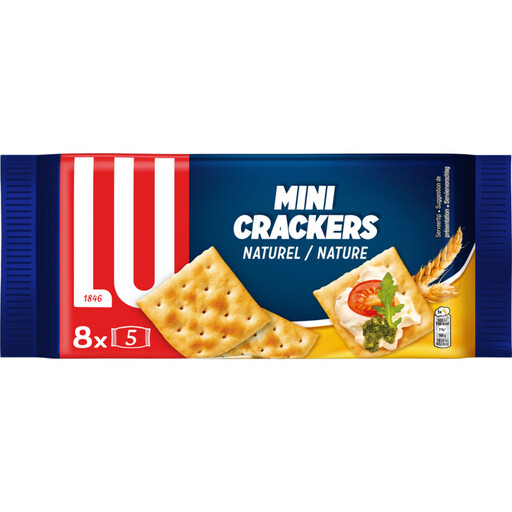 Image unavailable
A plain cracker to consider if you want to add your own toppings at a stop or prefer a snack without anything on top.
Check whether you can reseal an opened box properly if you want to spread the crackers over several stops. If you have allergies, read the latest ingredients information.
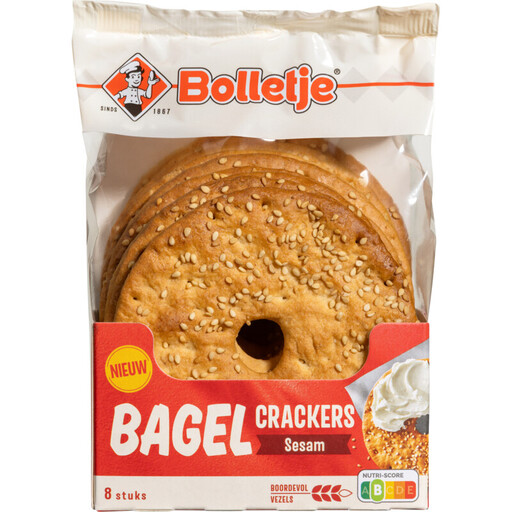 Image unavailable
An option for a break with toppings, or for anyone who prefers to eat crackers without anything on top.
Check the allergen information, especially if wheat or sesame is relevant to you. Compare the fibre content using the label on the pack.
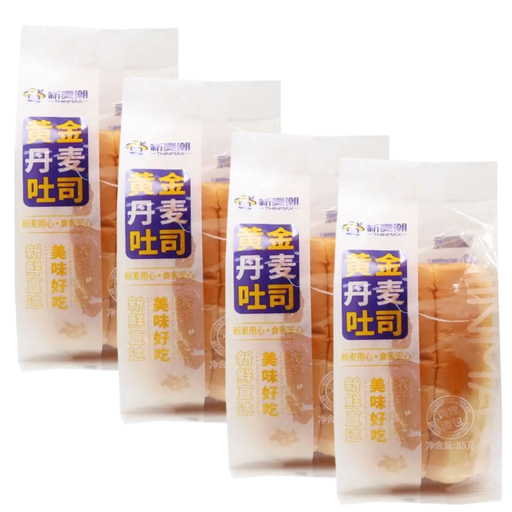 Image unavailable
Consider this toast for a snack that needs no preparation, rather than assuming it’s a substitute for thin, crisp melba toast with dip.
The product description mentions a soft texture. Check the latest allergen information on the pack.
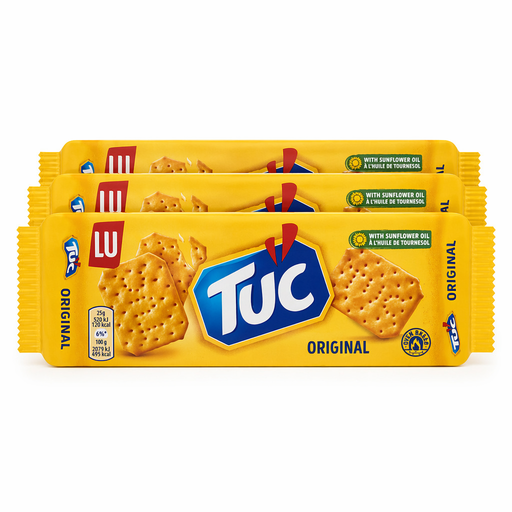 Image unavailable
A cracker for a snack break when you’ll want to put an opened pack away carefully.
Compare the salt content per 100 g if it matters to your choice, and read the allergen information on the pack.
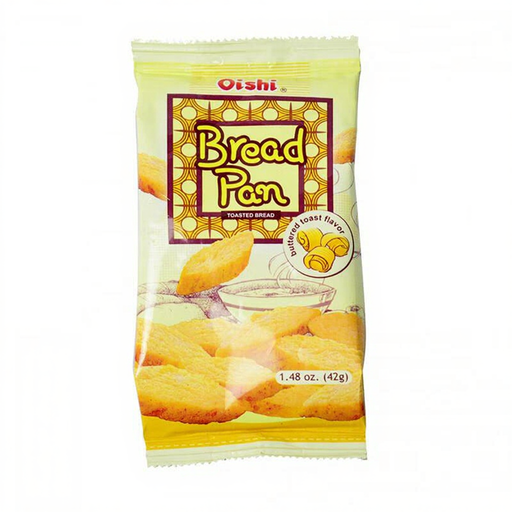 Image unavailable
The 42 g pack may suit a quick snack without planned toppings.
Check the nutritional information on the label before comparing figures with other snacks. Also check the allergens and whether the pack can be resealed once opened.
No, the word ‘premium’ doesn’t tell you how much fibre, fat or salt a product contains. Compare the nutritional information per 100 g and per portion, and factor in any toppings or dip you’ll be having with it.
Not based on the product category alone: you can’t assume that all toast contains iodised baker’s salt. If the type of salt used matters to your choice, check the ingredients on the specific pack.
Read the allergen information on the exact pack you’re taking with you, even if you’ve bought a similar variety before. The Netherlands Food and Consumer Product Safety Authority explains that allergens must be listed on the label of prepacked foods; check both the ingredients and any warnings about possible traces.
Follow the storage instructions on the pack and protect the product from moisture. Seal an opened pack as well as you can, and check before setting off that the packaging is suitable for this.