
Host catering for different preferences
Wants to serve a mild plain Melba toast as well as a wholegrain option, so guests aren’t all limited to the same type of grain.


For a coffee break with guests who have different preferences, serve plain Melba toast alongside toast or crispbread clearly labelled as wholegrain. Compare fibre and salt per 100 g. If a guest needs to avoid gluten, you’ll also need a separate product explicitly labelled gluten-free. Don’t assume wholegrain toast is gluten-free, or that a salt declaration on the packaging confirms the use of iodine-enriched baker’s salt.
Wants to serve a mild plain Melba toast as well as a wholegrain option, so guests aren’t all limited to the same type of grain.
Checks that the product is labelled wholegrain and compares the nutritional information, including fibre and salt per 100 g, rather than relying on the front of the pack.
Needs a product explicitly labelled gluten-free and should prevent it from coming into contact with regular toast, crumbs or shared toppings when serving.
First, decide which types of grain and dietary needs you want to cater for. Then compare products of the same type using their nutritional information per 100 g.
| What to consider | What to check when buying | Who it matters to |
|---|---|---|
| Options for different tastes | Choose plain Melba toast and a separate product explicitly labelled wholegrain. | I want to offer guests both a mild option and a wholegrain one; around 40% of consumers prioritise having options to suit different preferences. |
| Wholegrain and fibre | Check that the product is labelled wholegrain and compare both fibre and salt per 100 g within the same product type. | If I’m mainly looking for a wholegrain option, I don’t want to judge it by its colour. Around 30% of consumers say that wholegrain and fibre options are their top priority. |
| Gluten and allergens | If needed, look for a product explicitly labelled gluten-free, read the allergen information and keep it separate when serving. | I want to be able to serve a separate option to a guest who needs to avoid gluten; this is the most important requirement for around 30% of consumers. |
Colour and pictures of grains don’t tell you enough about the type of flour used. According to the Voedingscentrum, the term wholegrain is used for crispbreads and crackers when they’re made entirely from wholegrain flour.
Look for the wholegrain label on the packaging, then compare the fibre per 100 g.
The wholegrain toast products and crispbread described here contain gluten-containing cereals. The term wholegrain doesn’t mean a product is gluten-free.
For a guest who needs to avoid gluten, choose a product explicitly labelled gluten-free, check for any other relevant allergens and prevent contact with regular toast and crumbs.
Light Melba toast isn’t automatically the option with more fibre or less salt. Albert Heijn’s product information lists 3.9 g of fibre and 1.93 g of salt per 100 g for AH Melba toast naturel, compared with 9.7 g of fibre and 1.9 g of salt per 100 g for Van der Meulen Melba toast volkoren.
Compare the nutritional information per 100 g and choose the types that suit your guests.
The word salt in an ingredients list doesn’t, by itself, tell you what type of salt has been used.
Check the current label or ask the manufacturer which type of salt is used if iodine is relevant to your choice.
Van der Meulen’s product range described here includes both plain and wholegrain Melba toast.
The AH Melba toast naturel described here is a plain option to serve alongside a wholegrain product.
Bolletje is included here for its Volkoren Knäckebröd: a different type of product from small, thin Melba toast.
These products include plain Melba toast and a range of crispbread or cracker options for anyone who’d like to offer a different type of grain as well. Check each pack to make sure the shape, nutritional information and allergens suit your guests.
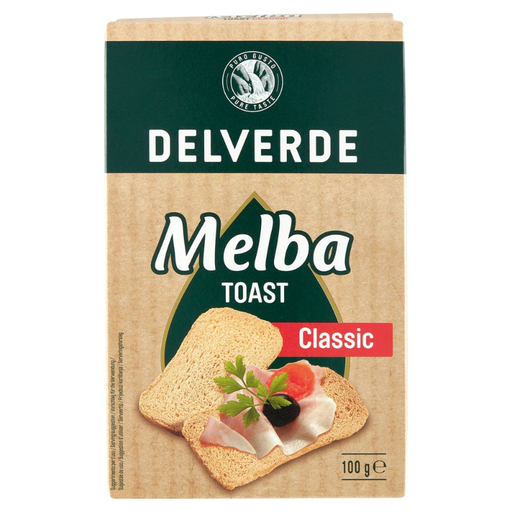 No image available
Plain Melba toast for a mild option to serve alongside a separate wholegrain product. Check the allergens on the packaging for guests with dietary requirements.
 No image available
Wholegrain crispbread for anyone who wants to offer a heartier product alongside Melba toast. Bolletje states that it’s made with 100% wholegrain cereals; the Joybuy product information reviewed lists 14 g of fibre per 100 g. It isn’t gluten-free or a like-for-like replacement for Melba toast.
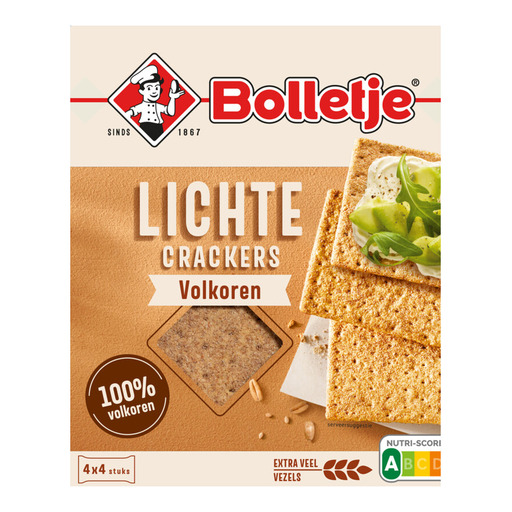 No image available
A cracker option for guests who’d prefer something other than Melba toast as a second choice. Crackers differ in shape from Melba toast, so check the current nutritional information and allergens before serving them to suit a particular preference.
 No image available
A crispbread option for anyone who wants a different base for toppings than thin Melba toast. If fibre content is important to your choice, compare the amount per 100 g on the current label, and check the allergens.
 No image available
A crispbread option to serve alongside plain Melba toast. Before presenting it as a wholegrain option, check the wholegrain label and ingredients on the current packaging. Also read the allergen information.
Serve plain Melba toast alongside one product explicitly labelled wholegrain. This gives guests two types of grain to choose from; compare the nutritional information per 100 g if fibre or salt matters to your choice.
No, wholegrain doesn’t mean gluten-free. The wholegrain toast and crispbread described here contain gluten-containing cereals. For a guest who needs to avoid gluten, choose a product explicitly labelled gluten-free and keep it separate from regular toast.
Follow the storage instructions on the pack you choose. For AH Melba toast naturel, Albert Heijn advises storing it in a sealed tin after opening. The Van der Meulen plain variety described here should be kept in a cool, dry place.
Compare similar products per 100 g using the nutrition table. Also read the ingredients list to see which type of grain you’re comparing, and check separately for any allergens relevant to your guests.