
Students on a tight lunch budget
You want to know how many usable lunch portions you’ll get from a pack and whether you’ll finish it. Jumbo’s range of toast products includes a variety of pack sizes and product types.


Choose toast if you mainly want small, crunchy portions to top for lunch. If you regularly eat the same lunch base, consider wholemeal bread or crispbread labelled as wholemeal, too. When you’re working with a tight food budget, look beyond pack size and consider how many portions you’ll use. Also check the nutritional information and allergens on the packaging.
You want to know how many usable lunch portions you’ll get from a pack and whether you’ll finish it. Jumbo’s range of toast products includes a variety of pack sizes and product types.
You’re looking for information about whole grains and fibre as well as crunch. The Netherlands Nutrition Centre recommends replacing white bread with wholemeal or brown bread as often as possible. If you’re choosing a bread alternative, check the product’s own description and nutritional information.
You want to take something dry with you, but first need to make sure its ingredients are right for you. Albert Heijn’s product information for Van der Meulen Melba Toast Wholemeal and Bolletje Breakfast Crackers Multiseed lists several gluten-containing cereals and sesame. Always check the packaging of the product you’re buying.
First decide whether you want individual pieces of toast for a small portion or a base for lunches you eat regularly. Then compare how much of a pack you’ll use, and read the product description and nutritional information.
| What to consider | What to check before buying | Who it matters to |
|---|---|---|
| Usable portions | Check the net weight and portion size, and consider whether you’ll finish the pack. | When my lunch budget is tight, I mainly want to avoid leaving some of the pack unused. Around 45% of consumers prioritise making the most of what they buy. |
| A base for regular lunches | Look for the wholemeal label and compare fibre per 100 g. Also consider whether bread, toast or crispbread works best for your lunch. | For lunches I take with me regularly, the type of grain and nutritional information matter more to me than crunch alone. Around 36% of consumers prioritise this. |
| Portability and ingredients | Check the allergen declaration, storage instructions and salt content per 100 g. | I want my lunch to be easy to take with me, but I need to know what’s in it before I buy. For around 19% of consumers, practical and personal suitability matters most. |
The toast products in Jumbo’s range come in different pack sizes. A larger pack may not suit your lunch routine if you only eat toast occasionally.
Think about how many portions you’ll use and check how to store the product once opened.
Toast is often grouped with party snacks, while the Netherlands Nutrition Centre highlights the choice between white, brown and wholemeal bread.
If you regularly take a bread-style lunch with you, compare wholemeal bread and products explicitly labelled as wholemeal, too.
According to the Netherlands Nutrition Centre, toast and crackers can only be labelled wholemeal if the flour used is entirely wholemeal. A mention of seeds or several types of grain doesn’t mean the same thing.
Read the product description and ingredients list, then compare the fibre per 100 g.
Albert Heijn lists wheat, sesame and soya among the allergens in Van der Meulen Melba Toast Wholemeal, along with 1.9 g of salt per 100 g. This information applies to that product, not all toast.
Check the current allergen declaration and nutritional information for the variety you choose, even if you’re eating it with toppings.
Jumbo’s own-brand range includes Mini Crackers Natural, Crispy Toast and Fornaccini Toast.
Melba toast is an option if you’re looking for small, crunchy portions to top. It’s available in natural and wholemeal varieties.
Alongside toast-style products, Bolletje also makes crackers, crispbread and breakfast crackers you can compare as a base for lunch.
These crackers, breakfast biscuits and crispbread are worth considering alongside toast and wholemeal bread. Check each product’s format, packaging and ingredients to see whether it suits your lunch.
 No image available
A crunchy rye cracker for lunch, in a 235 g pack. Check the packaging for the allergens and nutritional information that matter to you.
 No image available
Consider these breakfast biscuits if you’d like to take something different from individual pieces of toast with you. The pack contains 250 g. Check the ingredients and portion sizes before choosing them for lunch.
 No image available
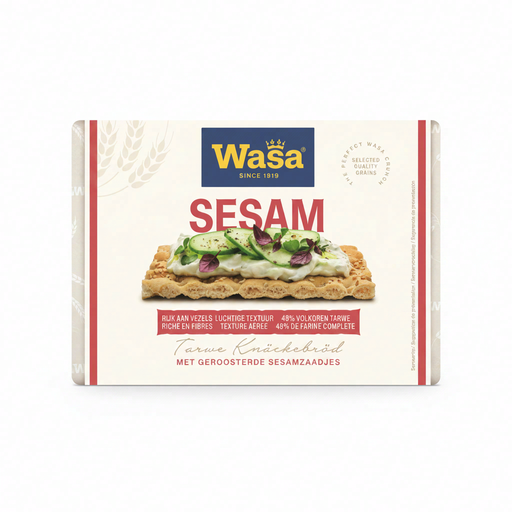
A 375 g pack for anyone considering crispbread as a base for lunch. Before choosing, check the label for the ingredients, wholemeal description and allergens.
Toast can work if you want small, crunchy portions with toppings, but for lunches you eat regularly, also compare wholemeal bread and bread alternatives labelled as wholemeal. The Netherlands Nutrition Centre recommends replacing white bread with wholemeal or brown bread as often as possible. Also consider the portion sizes and nutritional information of the product you choose.
Look for the wholemeal label on the packaging and read the ingredients list. According to the Netherlands Nutrition Centre, toast and crackers can only be labelled wholemeal if the flour used is entirely wholemeal; having several grains or seeds doesn’t mean the same thing.
Check the nutritional information for both the toast and the toppings, including the salt content. Albert Heijn lists 1.9 g of salt per 100 g for Van der Meulen Melba Toast Wholemeal. This figure doesn’t apply to another variety or to your whole lunch.
You can’t tell from the type of product alone. The Netherlands Food and Consumer Product Safety Authority describes the conditions under which iodine may be present in bakery products through baker’s salt; that doesn’t mean every toast product contains it. Check the packaging or ask the manufacturer about a specific product.
Always check the allergen declaration on the specific pack. For Van der Meulen Melba Toast Wholemeal, Albert Heijn lists wheat, barley, rye, sesame and soya among the allergens. For Bolletje Multiseed Breakfast Crackers, Bolletje lists gluten-containing cereals and sesame among others. Ingredients therefore vary from product to product.