
Students looking for a staple for several meals
You want to make breakfast, lunch or a simple dinner, and you’re thinking about how many useful portions you’ll get from a pack.


If you’re looking for a staple for several student dinners, ordinary wholemeal bread is a more practical choice than small Melba toasts. Choose toast if its crisp texture and small portions suit your toppings. Whichever you choose, consider how much you’ll use and check the packaging for wholegrain content, salt and allergens.
You want to make breakfast, lunch or a simple dinner, and you’re thinking about how many useful portions you’ll get from a pack.
You’re choosing toast as a base for toppings, rather than an ordinary slice of bread.
You want to know whether a product is wholegrain, and you also check the nutritional information and allergens for the specific variety.
First decide whether you need a staple for several meals or small pieces of toast for toppings. Then compare the packaging and nutritional information of products suited to how you plan to use them.
| What to consider | What to check | Who is it most relevant to? |
|---|---|---|
| Everyday meal staple | Check the pack weight and how many portions you’ll use. Consider whether you can store or freeze the bread. | If I need a staple for several meals, I want to use the pack without having much left over. For around 50% of consumers, everyday use is the main priority. |
| Wholegrain content and nutritional information | Look for a wholegrain declaration and compare fibre and salt per 100 g on the label. | I want to know what grains the product is made from, rather than relying on its name alone. Wholegrain content and nutritional information are the main concerns for around 30% of consumers. |
| Shape and suitability | Choose a size that works with your toppings and read the allergen statement for the specific variety. | For a dinner of small topped bites, I want a suitably crisp base; if I have an allergy, the variety also needs to be suitable. Around 20% of consumers prioritise this kind of practical need. |
A pack of toast and a loaf of bread won’t necessarily provide the same number of useful meal portions.
Think about how much you’ll use for dinner and whether you can store the rest. Factor in how much topping you’ll need, too.
Melba toast is small and crisp, so a slice of bread and a piece of toast don’t always play the same role in a meal.
Choose toast when its shape works with your toppings. If you need a staple for several meals, consider ordinary wholemeal bread as well.
According to the Voedingscentrum, not all bread is made with baker’s salt. You can’t tell whether it has been used from the product type alone.
If it matters to your choice, check the label for baker’s salt or iodised salt.
The word ‘wholemeal’ doesn’t tell you how much salt a product contains or which allergens are present.
Check the salt per 100 g and read the allergen statement on the packaging of the variety you’re buying.
Van der Meulen makes Melba toast for anyone specifically looking for small, crisp pieces of toast.
Sun Snacks Melba Toast Naturel is an option if you’re looking for a larger pack.
Bolletje is worth considering if you’re also looking at crispbreads and don’t need the shape of Melba toast.
This selection includes Melba toast, rice toast and crispbreads for anyone looking for a crispy base for toppings. If you’re choosing between toast and ordinary wholemeal bread for everyday use, the number of portions you need is also important.
 No image available
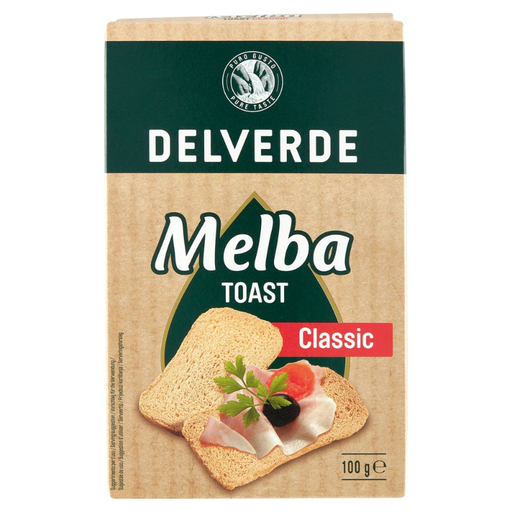
Melba toast for anyone who wants small pieces to top. The pack contains 100 g. If the ingredients and allergens matter to your choice, check the packaging.
 No image available
A crispbread if you want a crispy base but don’t need individual pieces of toast. The pack contains 265 g. If you have an allergy, check the statement on the packaging.
 No image available
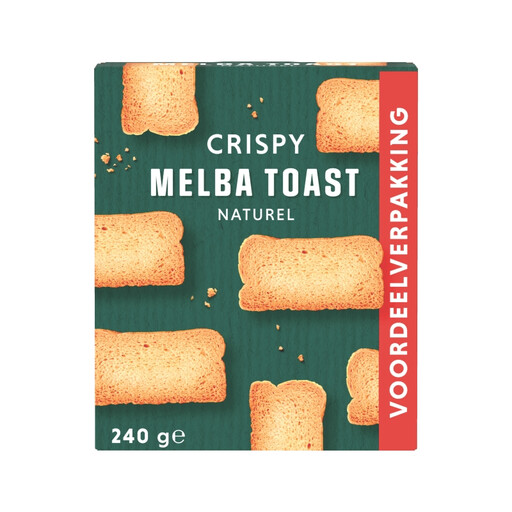
Melba toast in a 240 g pack for making topped toast bites. The allergen descriptions for this variety are inconsistent, so if you have an allergy, rely on the statement on the packaging.
 No image available
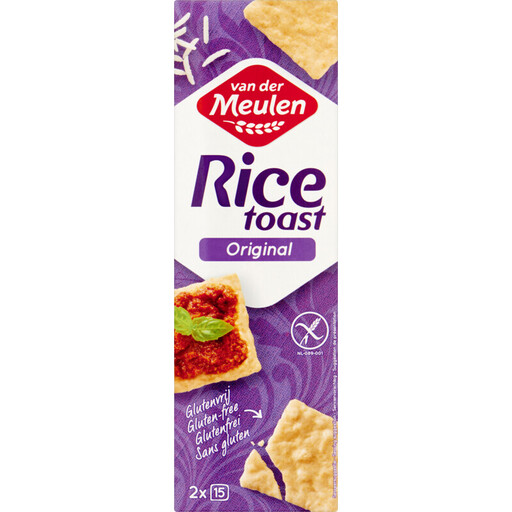
Rice toast in a 65 g pack for anyone looking for this style of toast. If you have an allergy, check the packaging: you can’t determine whether a product is suitable for your diet from its name or rice base alone.
 No image available
Crackers for when you don’t need the small shape of Melba toast. The pack contains 300 g. Read the nutritional information and allergen statement for the specific variety.
Choose Melba toast if you want small, crisp portions for toppings. If you need a staple to use for several meals, ordinary wholemeal bread is a more practical choice. Work out how much you need and what you’ll do with any leftovers.
No, they’re different types of product, even if you can top both. According to the Voedingscentrum, toast or crispbread labelled wholegrain must be made from 100% wholegrain flour; ‘multigrain’ doesn’t automatically mean the same thing.
Check the label to see whether baker’s salt or iodised salt is listed among the ingredients. The Voedingscentrum says that not all bread is baked with baker’s salt, so don’t rely on the product type alone.
Check the allergen statement for the specific variety. Albert Heijn lists wheat, sesame, barley, rye and soya, among other ingredients, for Van der Meulen Melba wholegrain toast. Don’t assume the same ingredients apply to other toast products.