Choose thin Melba toast if you want a small, ready-to-serve crunchy accompaniment to coffee and cake. If you’d prefer a warm, toasted slice, consider sourdough bread; opt for wholemeal sourdough if the grain type and fibre matter more to you than a neutral flavour. Check the ingredients and allergen information for each variety: ‘sourdough’ doesn’t rule out added yeast, and it doesn’t automatically mean ‘wholemeal’.
Who are the different types suitable for?
The role you want the toast to play alongside your cake can help you decide whether thin, crunchy toast or a toasted slice of bread is the better fit.
For hosts looking for a subtle accompaniment
You want to serve something small and crunchy without the bread and toppings taking attention away from the cake. Compare the thin shape of Melba toast with the larger slice and possible seeds in sourdough bread.
For shoppers looking for wholemeal and fibre
You want to compare the official product name and nutritional information rather than judging by a dark colour or the word ‘sourdough’. For specific products, check the fibre listed per 100 g.
For hosts who need to check ingredients
If someone has an allergy, or you want sourdough without added baker’s yeast, the exact packaging is what matters. Check the ingredients list and allergen information for the variety you’re serving.
What should you look for when choosing?
First decide whether you want crunchy toast that’s ready to serve or bread to toast yourself. Then compare the flavour, wholemeal description and ingredients of the options you’re considering.
| What to consider |
What to check when buying |
Who it matters to |
| Flavour alongside cake |
Compare Melba toast, baguette toast and sourdough bread by shape, and check whether they contain seeds. |
When I’m serving a strongly flavoured cake, I want the toast to stay in the background; around 33% of consumers put this balance of flavours first. |
| Preparation and crunch |
Check whether the toast is ready to serve or the bread needs to be toasted or baked first. |
When I’m having guests over and don’t want to bake anything, I look for a crunchy option I can put straight on the table; around 25% of consumers prioritise this convenience. |
| Wholemeal and fibre |
Read the official product name and compare the fibre listed per 100 g for the specific products. |
If wholemeal is the deciding factor for me, I want to be able to see that on the label rather than rely on the colour of the bread; around 25% of consumers prioritise this. |
| Ingredients and allergens |
Check the latest ingredients and allergen information, and look separately to see whether yeast as well as sourdough starter has been used. |
If I’m serving toast to someone with an allergy, I want to check the exact variety in advance; around 17% of consumers make checking ingredients their first priority. |
Common mistakes
-
Assuming ‘sourdough’ means ‘without baker’s yeast’
A sourdough product can contain both types of raising agent. Jumbo lists both sourdough starter and yeast in its white Desem Baguette.
If you want sourdough to be the only raising agent, look for ‘yeast’ or ‘baker’s yeast’ separately in the full ingredients list.
-
Assuming dark or multigrain means wholemeal
A dark colour or a name that mentions several grains doesn’t, by itself, tell you whether the flour is wholemeal. Brood.net Professionals explains what the term ‘wholemeal bread’ means.
If wholemeal is important to your choice, check the official product name and the ingredients list.
-
Serving a type of toast to all your guests without checking the label
Ingredients and allergens vary between varieties. For example, the Van der Meulen Melba Volkoren Toast described by Jumbo contains sesame seeds.
Ask guests with allergies what they need to avoid and check the packaging of the exact product you’re serving.
-
Assuming the bread contains iodised salt
The words ‘toast’ and ‘sourdough’ don’t tell you what type of salt has been used in a specific product.
If salt containing iodine matters to your choice, read the ingredients list on the packaging.
Brands and shopping options to consider
These examples show how product types and the information available on labels can vary between brands and retailers. Always check the individual product.
Albert Heijn / Liefde & Passie
The Liefde & Passie range at Albert Heijn includes sourdough bread with pumpkin seeds and a spelt and rye variety.
- Product pages describe the ingredients and nutritional information for each variety, so you can compare them with what you want to serve.
- Albert Heijn warns that product information can change. Check the latest packaging for allergen and ingredient details.
Jumbo
Jumbo describes both a part-baked white Desem Baguette and sourdough loaves that are finished in store.
- For its Desem Baguette, Jumbo lists the ingredients, including sourdough starter, yeast and iodised salt.
- A part-baked baguette needs different preparation from ready-to-serve toast, so check the cooking instructions for the product you choose.
Van der Meulen Melba Toast
Van der Meulen describes its wholemeal Melba toast with sesame as thin and crunchy.
- Its thin shape makes it a good option if you want to serve a small bite alongside coffee and cake.
- The sesame variety needs its own ingredient and allergen check; ‘Melba toast’ doesn’t mean every variety has the same ingredients.
Lidl
Lidl describes one product as rustic wholemeal wheat sourdough bread.
- The product name makes clear that this particular variety is sold as wholemeal wheat sourdough bread.
- Lidl lists this variety as available in store only. Check the packaging there too if ingredients or allergens matter to your choice.
ALDI / Sun Snacks
ALDI stocks Sun Snacks toast as well as baguette toast from JOS POELL.
- These product types are worth comparing if you’re mainly looking for ready-to-serve toast.
- If you’re looking for sourdough, don’t assume ordinary toast or baguette toast is a sourdough product too; check the product name and ingredients.
Toast and crackers at Joybuy
For a small, crunchy bite alongside coffee and cake, this selection includes two types of Melba toast and a sourdough rye crispbread. A rye crispbread isn’t the same as Melba toast or a toasted slice of sourdough bread, so choose the type you want to serve and then check the packaging.
 No image available
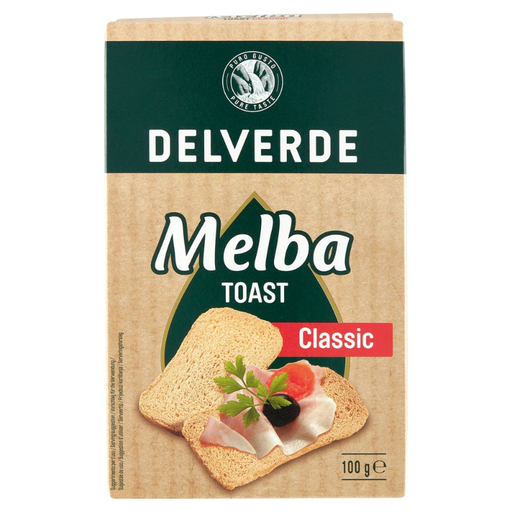
Delverde Classic Melba Toast, 100 g
Melba toast for anyone who wants to serve a small piece of toast with coffee and cake. The pack contains 100 g; check the latest ingredient and allergen information before serving.
View at Joybuy
 No image available
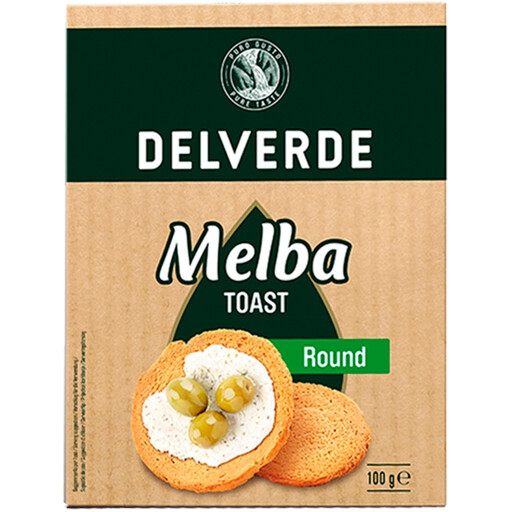
Conimex Delverde Melba Toast Round, 100 g
Round Melba toast for anyone who wants to serve individual pieces with their coffee. The pack contains 100 g; if you have dietary requirements or allergies, check the label for this variety.
View at Joybuy
 No image available
Wasa Sourdough Rye Crackers, 235 g
Sourdough rye crackers for anyone who’d rather serve crackers than Melba toast with coffee and cake. The pack contains 235 g; check the label for the ingredients, allergens and nutritional information for this variety.
View at Joybuy
Frequently asked questions
Does ‘sourdough’ mean there’s no baker’s yeast in it?
No, a sourdough product can also contain baker’s yeast. Jumbo lists both sourdough starter and yeast in its white Desem Baguette; if you want sourdough to be the only raising agent, check the ingredients list for the variety you choose.
How can I identify wholemeal sourdough bread?
Check the official product name and the ingredients list, not just the colour or the word ‘sourdough’. Brood.net Professionals explains that wholemeal bread is made entirely with wholemeal flour; ‘multigrain’ doesn’t mean the same thing by itself.
Can I assume that toast or sourdough bread contains iodised salt?
No, the type of bread alone doesn’t tell you what salt has been used in a product. If it matters to your choice, check the ingredients list for the type of salt.
How should I store toast and part-baked sourdough bread for a coffee break?
Follow the storage and preparation instructions on each product’s packaging. Part-baked sourdough bread needs different preparation from ready-to-serve Melba toast; also check the instructions for storing it after opening.


