
People organising a small dinner party
You want to serve one platter of toast without being left with lots of opened packs. Jumbo lists a 90 g pack of Melba toast; Lidl and ALDI also offer toast in 100–150 g and 240 g packs.


If you’re serving one small platter of toast, a 90–150 g pack is likely to be a better fit than a 240 g pack. For several platters or a larger group, the bigger pack may be just right. Then choose a shape to suit your toppings, and check the ingredients and allergens on the exact pack if you need to cater for dietary requirements.
You want to serve one platter of toast without being left with lots of opened packs. Jumbo lists a 90 g pack of Melba toast; Lidl and ALDI also offer toast in 100–150 g and 240 g packs.
Choose the shape to suit your topping or dip, and think about when you’ll prepare the snacks. Van der Meulen describes its round Melba toast as a base for toppings and dips; this doesn’t tell you how every type of toast will hold up under moist toppings.
If a guest has an allergy or prefers wholegrain products, check the pack you’ll actually be serving. The Van der Meulen Melba toast listed by Jumbo contains wheat, barley and soya, and may contain sesame; don’t assume other varieties have the same ingredients.
First, decide how many pieces of toast you want to serve. Then consider the shape for your toppings and any dietary requirements your guests may have.
| What to consider | What to check when buying | Who is this important for? |
|---|---|---|
| Quantity and leftovers | Compare the net weight with the number of platters you want to fill. Jumbo lists 90 g Melba toast; ALDI also lists a 240 g pack. | I want enough for one platter, but don’t want lots of toast left over. Getting the right quantity is the top priority for around 44% of consumers. |
| Shape for toppings and dips | Check the shape of the toast and consider whether you’ll be dipping or adding toppings. Add moist toppings shortly before serving. | I want to top the snacks without having to prepare them long in advance. For around 33% of consumers, how easy the toast is to serve comes first. |
| Dietary requirements | Check the ingredients, allergens, wholegrain labelling and nutritional information, including the salt content, on the exact pack. If iodine matters to you, check whether it mentions baker’s salt. | If guests have an allergy or a specific dietary preference, I want to know what I’m serving them. This check is the top buying priority for around 23% of consumers. |
A 240 g pack gives you more to serve, but may be more than you want to open for one small platter. ALDI lists this size alongside smaller packs of toast.
Decide how many platters you’ll serve, then compare pack sizes.
According to Jumbo’s product information, Van der Meulen Joy of Melba Toast Naturel Rondjes contains wheat, barley and soya, and may contain sesame. This isn’t an ingredients list for every type of Melba toast.
Check the ingredients and allergens again on the exact pack you’re serving to your guests.
According to the Netherlands Nutrition Centre, the term ‘wholegrain’ has a specific meaning, including for toast. It also states that bakers aren’t required to use baker’s salt.
Check the wholegrain labelling on the pack. If you have questions about iodine, look for a mention of baker’s salt on the pack or ask your baker.
How well topped toast holds up depends on the toast and the topping. A claim that a specific product stays crisp for longer isn’t a guarantee for other types of toast.
Get the toast ready, then add moist spreads or other moist toppings shortly before serving.
Jumbo lists Joy of Melba Toast Naturel Rondjes as thin Melba toast in a 90 g pack, intended for toppings or dips.
ALDI lists Sun Snacks Melba Toast Naturel in a 240 g pack, as well as packs of toast in the 100–150 g range.
Jumbo’s toast range includes 100 g packs of Knapperige Toast and several types of Melba toast.
Lidl lists 240 g packs of Melba toast and 100–150 g packs of party toast in plain and sesame varieties.
Bolletje’s product range includes crackers, crispbread and rusk. These are alternatives to consider if you’re looking for other crunchy bases as well as toast.
These products are suitable for a small platter at a dinner party: two 100 g packs of Melba toast and a 125 g pack of crispbread as an alternative to toast. Choose crispbread only if its different shape works with your toppings and presentation.
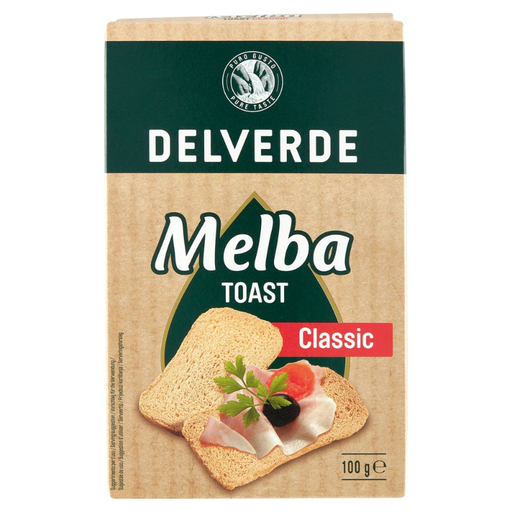 No image available
A 100 g pack for anyone looking to serve a small quantity of Melba toast. If you have allergies, check the ingredients on the exact pack.
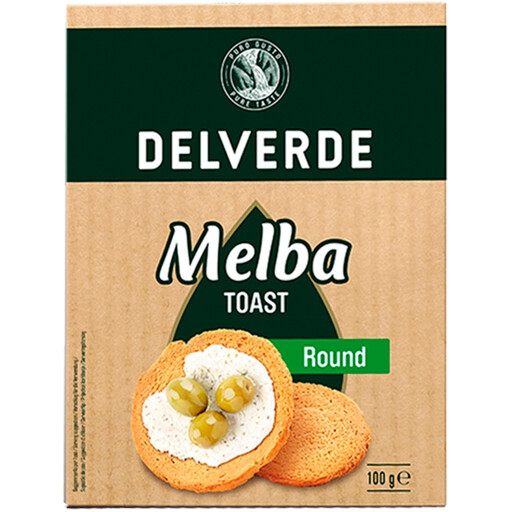 No image available
A 100 g pack if you’re looking for round Melba toast for a small platter. If you have dietary requirements, check the ingredients and allergens on the pack.
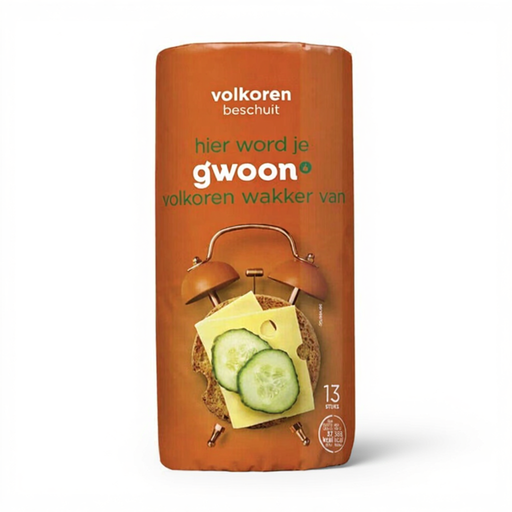 No image available
A 125 g pack if you’re considering crispbread as well as Melba toast as a base for toppings. This is a crispbread alternative, not Melba toast; if wholegrain labelling or allergens matter to your choice, check the exact pack.
Choose a pack size to suit the number of platters you want to serve. Jumbo lists a 90 g pack of Melba toast, while Lidl offers 100–150 g packs of party toast. A 240 g pack is more likely to suit you if you’re expecting several platters or more guests.
You can get the toast ready, but it’s best to add moist toppings shortly before serving. Whether it’s suitable for topping in advance depends on the specific toast and topping; a product claim that it stays crisp for longer doesn’t automatically apply to other types of toast.
Read the ingredients and allergen information on the exact pack before serving the toast. The Netherlands Food and Consumer Product Safety Authority explains how allergens must be listed on food labels. According to Jumbo, the Van der Meulen Melba toast mentioned contains wheat, barley and soya, and may contain sesame.
No, don’t assume that it does. According to the Netherlands Nutrition Centre, bakers aren’t required to use baker’s salt. Check the pack or ask your baker if this matters to your choice.
No, colour alone doesn’t confirm that it’s wholegrain. The Netherlands Nutrition Centre explains that, for toast and crackers, the term refers to a product made entirely from wholemeal flour. So check the description and ingredients on the pack.