
Putting together a platter of topped nibbles
You’re looking for a type of toast that works with small bites and lets the flavour of cheese, fish, spread or salad shine through.


Choose plain Melba toast when the topping should take centre stage, or flavoured toast when you want to serve simple nibbles. Then check the packaging to make sure the size, ingredients, allergens and nutritional information suit your toppings and guests. A flavoured option may clash with a delicate topping.
You’re looking for a type of toast that works with small bites and lets the flavour of cheese, fish, spread or salad shine through.
You want sesame, herbs, olives or wholegrains to add flavour to the toast, so you can keep the toppings simple.
You take ingredients, allergens and salt content into account, choosing based on the exact product variant rather than just the brand or product name.
First, decide what the toast should do on your sharing platter: carry a topping or add its own flavour. Then compare the packaging of the options that fit the bill.
| What to consider | What should you check? | Who is this important for? |
|---|---|---|
| A base for toppings | Choose a neutral flavour and check whether the shape suits the amount of topping you want to add to each bite. | If cheese, fish or spread is taking centre stage, I want the toast to complement it. A suitable base matters most to around 33% of consumers. |
| Flavour and variety | Compare the flavours and ingredients with the toppings you plan to serve. | For simple nibbles, the toast itself can add flavour, as long as it doesn’t clash with the topping. Flavour or variety comes first for around 25% of consumers. |
| Allergens and nutritional information | Read the allergen information and compare the salt per 100 g on the exact products you’re considering. | If I need to take an allergy into account or compare salt content, I need the label for the specific option I’ve chosen. This check is the top priority for around 25% of consumers. |
| Packaging and availability | Check the pack weight, storage instructions after opening and whether the option you want is available where you shop. | For a small get-together, I don’t want to open more packs than necessary; for a larger group, the pack size needs to be practical. Around 17% of consumers prioritise this. |
Those words alone don’t tell you how much salt the toast contains or which allergens it includes. For example, Albert Heijn lists 2 g of salt per 100 g for AH Borreltoast sea salt.
Compare the salt per 100 g and read the ingredients and allergen information for the exact option you’re serving.
Ingredients and nutritional information can vary between products or change over time. This is especially important when you need to check an allergen for a guest.
Before buying and serving, read the packaging of the product you’ll actually be using.
You can’t tell what type of salt has been used just from the product category.
If this matters to your choice, check the ingredients list for the specific toast.
Melba toast for sharing platters where the toppings take centre stage; Albert Heijn lists plain and wholegrain options, among others.
Own-label options in a range of flavours, including sesame Melba toast and sea salt toast for drinks.
Own-label toast alongside other types in the range, including plain options and toast with olive and basil.
An ALDI label with options including Melba Toast Naturel and Toast Cups Naturel.
Baguette toast offers a different shape from Melba toast for topped nibbles.
These products are Melba and rice toast for nibbles with drinks. First, choose between a base for toppings and toast with its own flavour; if anyone has an allergy, always check the packaging.
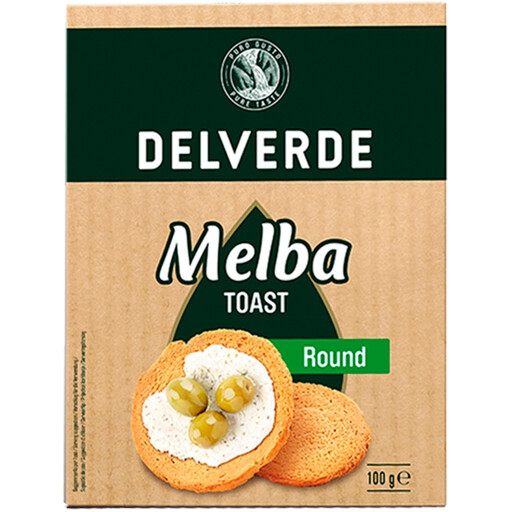 Image unavailable
Round Melba toast to consider when you’re making small topped nibbles. The pack contains 100 g; check the packaging for the dimensions and allergen information.
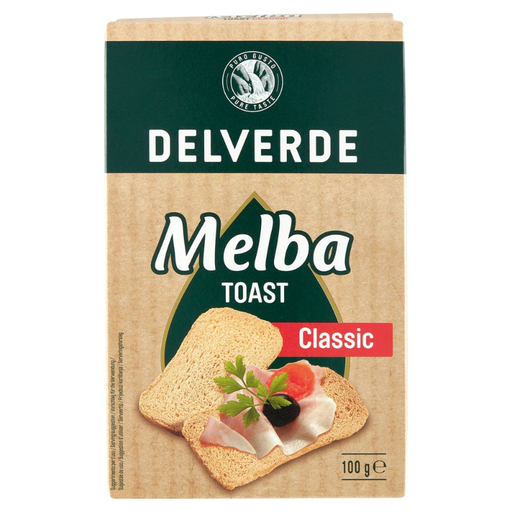 Image unavailable
Classic Melba toast for a sharing platter where you want the toppings to shine. The pack contains 100 g; check the size and allergen information before choosing it for your guests.
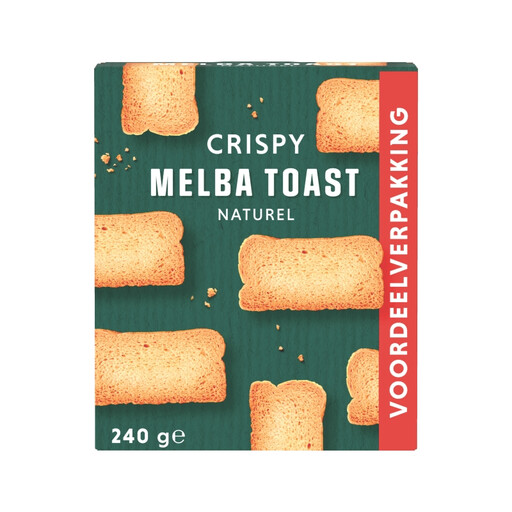 Image unavailable
The 240 g pack may suit you if you’re making topped nibbles for several people. The product information is contradictory about allergens: it says that the main allergens are absent, but also lists wheat, barley and soya. If you have an allergy, only choose this product after checking the exact packaging.
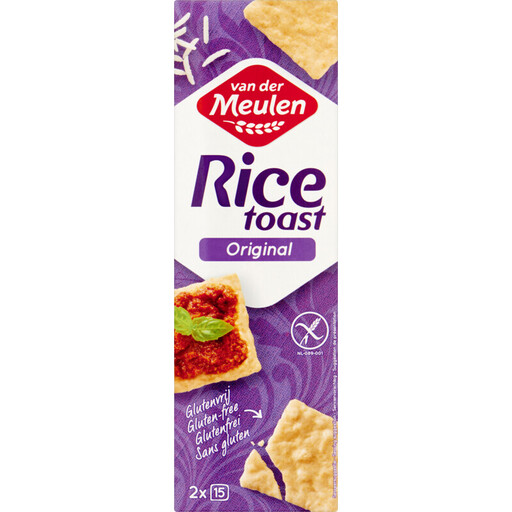 Image unavailable
Rice toast to consider if you’d like to serve a different type of toast on your sharing platter; the pack contains 65 g. The product information is unclear about sesame and soya. If you have an allergy or need a gluten-free option, check the information on the exact packaging rather than relying on the product name.
Read the ingredients list on the exact packaging before serving the toast. According to the Netherlands Food and Consumer Product Safety Authority, allergens in prepacked foods must be clearly identified in the ingredients list; for toast, these may include cereals containing gluten, sesame and soya.
No. The name of the option doesn’t tell you which allergens matter to a particular guest. For Van der Meulen wholegrain Melba toast, Albert Heijn lists wheat, barley, rye, sesame and soya, among other ingredients; always check the packaging of the product you choose.
Compare the ‘salt per 100 g’ information on both packs, rather than relying on words such as ‘sea salt’. For example, Albert Heijn lists 2 g of salt per 100 g for AH Borreltoast sea salt; also consider the toppings when putting together your sharing platter.
Follow the storage instructions on the packaging you bought. These can vary between options, including how to reseal an opened pack.
Don’t assume that toast contains iodised baker’s salt. If the type of salt used matters to your choice, read the ingredients list for the specific product.