
Breakfast eaters looking to compare fibre
You’re looking for a crisp breakfast product and want to see how much fibre it contains on the label. Check which grains are used too: a layer of seeds doesn’t automatically make a cracker wholegrain.


If you’re mainly looking for wholegrains and fibre at breakfast, compare the ingredients and fibre per 100 g first: ‘with seeds’ on its own doesn’t tell you enough. A substantial multiseed breakfast cracker may suit you if you prefer seeds and texture; plain melba toast is a different option if you’re after a light, crisp base for toppings. Check the salt, serving size and allergens for each product too.
You’re looking for a crisp breakfast product and want to see how much fibre it contains on the label. Check which grains are used too: a layer of seeds doesn’t automatically make a cracker wholegrain.
You’re mainly choosing based on the presence of ingredients such as linseed, sesame and seeds, and on the difference between a substantial breakfast cracker and a thin crispbread. The ingredients list can help you tell the varieties apart.
You’re mainly after something thin and crisp to add toppings to. Plain melba toast may fit the bill, but it’s a different type of product from a multiseed breakfast cracker.
First decide what matters most for your breakfast: wholegrains and fibre, the seed mix, or a light base for toppings. Then compare only the varieties that match your preference, using each product’s own label.
| What to consider | What to check when buying | Who it matters to |
|---|---|---|
| Wholegrains and fibre | Check the grain ingredients and compare fibre per 100 g across similar crackers. Check the serving size too. | If fibre is my top priority at breakfast, I want to be able to compare it on the label rather than judge by the seed topping. Around 46% of consumers say this is their primary need. |
| Seeds and texture | Check which seeds are used and choose between a substantial breakfast cracker and a thin cracker. If it contains sesame, check the allergen information. | If you’re mainly looking for a satisfying crunch and visible seeds, you’ll judge plain, light toast differently from a multiseed cracker. For around 36% of consumers, that seed texture comes first. |
| Light base for toppings | Compare the product type and serving size; if you eat it regularly, check the salt per 100 g too. | For my breakfast with toppings, a thin, neutral base may matter more than lots of seeds. This is the top priority for around 18% of consumers. |
Seeds on their own don’t tell you whether the flour used is wholegrain. A cracker may also contain white flour.
Look for the word ‘wholegrain’, then check the ingredients and fibre per 100 g. The Netherlands Nutrition Centre also distinguishes between seeds and wholegrains in crackers and crispbreads.
According to the Netherlands Nutrition Centre, using iodine-enriched baker’s salt is not legally required in the Netherlands. The product category alone won’t tell you which salt has been used.
If this matters for your choice, check the packaging for a mention of baker’s salt or iodine-enriched salt.
Salt, allergens and how much you eat also vary from product to product. Albert Heijn, for example, lists 0.88 g of salt per 100 g for Bolletje Ontbijtcrackers Meerzaden; that figure doesn’t automatically reflect your breakfast portion.
Read the allergen information and compare salt per 100 g as well as per the amount you actually eat. Include your toppings when assessing your breakfast.
Bolletje Ontbijtcrackers Meerzaden is an example of a substantial breakfast cracker made with a range of seeds.
The range includes different product types, such as thin crackers with seeds and seed crackers.
Sun Snacks Melba Toast Naturel is plain melba toast for anyone looking for a crisp base for toppings.
Tastino Luxe crackers volkoren and Lidl’s separate melba toast show why product type matters when making this choice.
These crackers are worth considering if you’re looking for seeds, a wholegrain base or something crisp to add toppings to for a weekday breakfast. Compare the ingredients and nutritional information for each variety; plain melba toast is a different type of product.
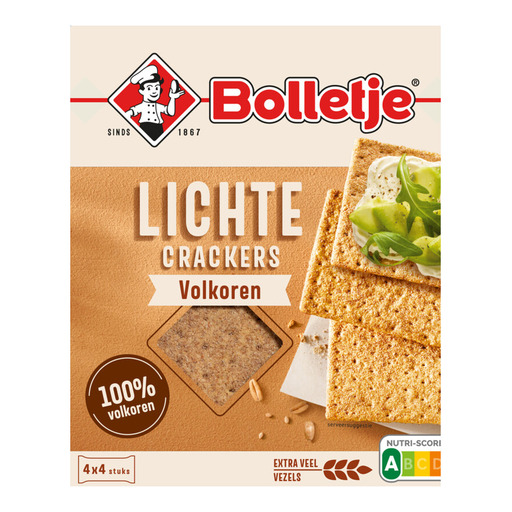 No image available
An option if you’re looking for a thin cracker to use as a base for breakfast toppings.
Check the packaging for fibre per 100 g and allergen information if sesame or gluten-containing cereals are relevant to you.
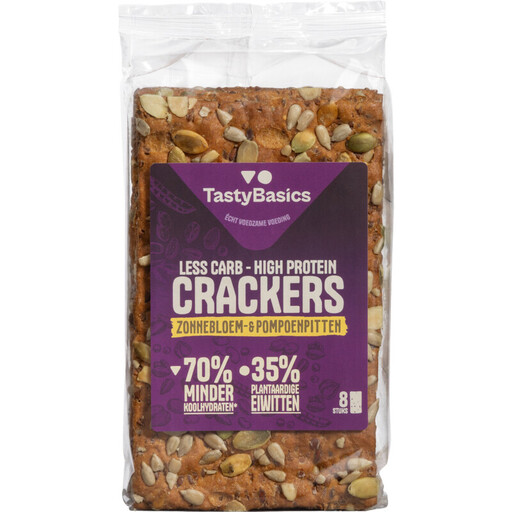 No image available
An option if seeds matter more to you than the shape of plain melba toast.
Check the proportion of wholemeal flour and the allergens on the packaging if these will influence your choice.
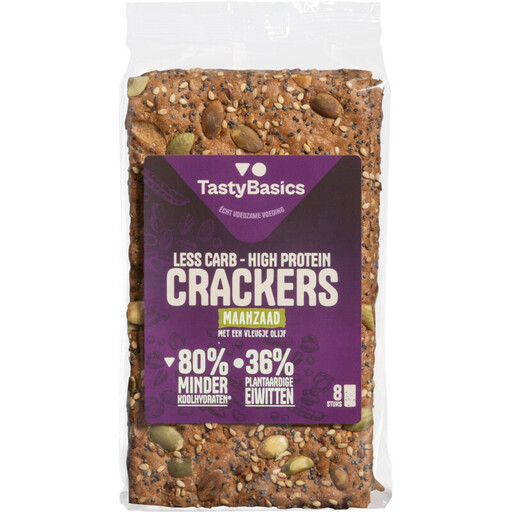 No image available
A cracker to consider if you’d like a seeded variety with your breakfast.
To compare it with other crackers, check the grain ingredients, fibre per 100 g and allergens on the packaging.
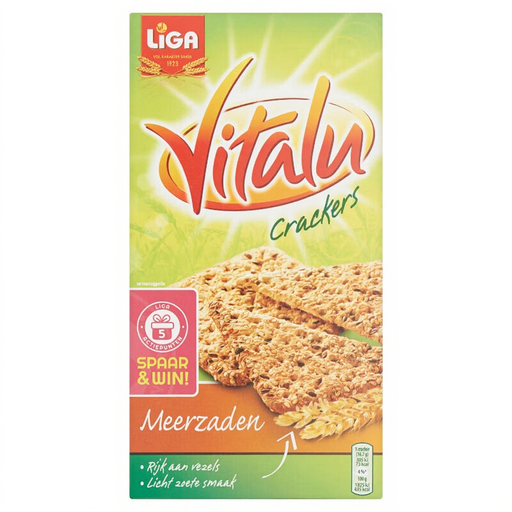 No image available
An option if you’re looking for a cracker with a variety of seeds for breakfast.
If fibre is a deciding factor, compare the amount per 100 g on the packaging. Check the allergen information too.
 No image available
An option if you want to compare fibre and a varied seed mix isn’t your main priority.
Check the nutritional information per 100 g and the allergens on the packaging, particularly if sesame or gluten-containing cereals are relevant to you.
No. Seeds don’t tell you which flour was used to make the cracker. Check for the word ‘wholegrain’ and read the ingredients list; ‘multigrain’ doesn’t automatically mean wholegrain either.
No. According to the Netherlands Nutrition Centre, using iodine-enriched baker’s salt is not legally required in the Netherlands. Check the product’s ingredients list if the type of salt used matters to you.
Check the allergen information on the specific pack, particularly if sesame or gluten-containing cereals are relevant to you. Bolletje Ontbijtcrackers Meerzaden lists sesame and gluten-containing cereals, among other ingredients; this doesn’t tell you anything about the composition of other varieties.
Start by comparing salt per 100 g, so you’re using the same basis for each product. Then consider how many crackers you eat and what you put on them: the figure per 100 g doesn’t automatically tell you how much salt is in your breakfast.