
Older people who want to consider fibre
You’re looking for something crunchy to enjoy with your coffee and want to compare wholegrain products and their fibre content on the packaging.


For a crunchy base for toppings with your coffee, and if fibre matters, compare wholegrain toast, Melba toast or rusks by checking the label. A digestive is a biscuit for when you fancy something sweet; its name says nothing about any beneficial effect on digestion. If someone has difficulty chewing or swallowing, a hard, crumbly product may not be the right choice. First, find out which texture is suitable.
You’re looking for something crunchy to enjoy with your coffee and want to compare wholegrain products and their fibre content on the packaging.
You want to serve a digestive biscuit as a conscious choice, without confusing it with toast or treating its name as a nutritional claim.
If someone coughs while eating, chokes or feels that food is getting stuck, texture matters more than choosing between toast and biscuits. Thuisarts advises contacting your GP about swallowing problems.
Choose this if: you want a crunchy base for toppings and are looking for a wholegrain option.
Bear in mind: these products are brittle, so check the exact variety and its nutritional information.
Choose this if: you want a sweet biscuit to enjoy with coffee, rather than a base for toppings.
Bear in mind: compare sugars, fats, salt and serving size on the packaging; the name says nothing about its nutritional value.
Discuss this if: someone has difficulty chewing or swallowing, or often coughs while eating.
Bear in mind: Thuisarts describes soft, minced or liquid food as possible adaptations. Ask a professional to determine what is suitable for that person.
| What to consider | What to check when buying | Who it matters to |
|---|---|---|
| Wholegrain and fibre | Look for the wholegrain label and compare fibre per 100 g and the ingredients list. | I want to choose a grain product to have with coffee whose wholegrain status and fibre content I can check. Around 30% of consumers put this need first. |
| Nutritional value of biscuits | Compare sugars, saturated fat and salt per 100 g; also consider the portion you’ll serve. | If I serve a sweet biscuit, I want to know what that portion contributes. For around 30% of consumers, this is the most important consideration. |
| Serving with toppings | Choose between toast, Melba toast and rusks, and consider the size and how easily they break when adding toppings. | I’m mainly looking for a crunchy base that works well with the topping I’ve chosen. Around 20% of consumers put this need first. |
| Chewing and swallowing | Look out for coughing or choking while eating, and follow any existing advice about food texture. | If the person I’m buying for has difficulty swallowing, I don’t want to choose a brittle product without suitable advice. This is the most important consideration for around 20% of consumers. |
A digestive is a biscuit, not proof that it has an effect on digestion. Ingredients and nutritional values vary from product to product.
Compare biscuits for fibre, sugars, saturated fat and salt, and consider how many you’ll serve.
The colour or mention of different grains doesn’t tell you how much wholemeal flour a product contains.
Look for an explicit wholegrain label, and also compare the ingredients and fibre per 100 g.
Coughing while eating, choking or feeling that food is getting stuck are reasons not to choose a food texture on your own.
Thuisarts advises contacting your GP about swallowing problems. Discuss any changes to the food with a professional, based on the advice for that person.
Worth considering if you’re looking at rusks as a crunchy base to have with coffee.
A producer of Melba toast; Albert Heijn lists a plain variety, among others.
A retailer with its own-brand range, including Melba toast and digestive biscuits.
A brand to consider if you’re specifically looking for a digestive biscuit to have with coffee.
This selection of Joybuy products includes digestive biscuits and related crunchy crackers and crispbreads. Crackers and crispbreads aren’t the same as toast, Melba toast or rusks. First decide which type of product you want, and if someone has swallowing difficulties, check whether a crunchy texture is suitable.
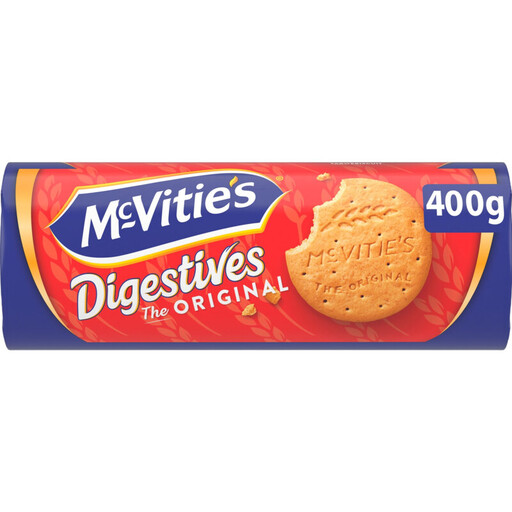 Image unavailable
A digestive biscuit for anyone looking for something sweet with their coffee, rather than toast to add toppings to. Compare the nutritional information per 100 g with the portion you plan to serve.
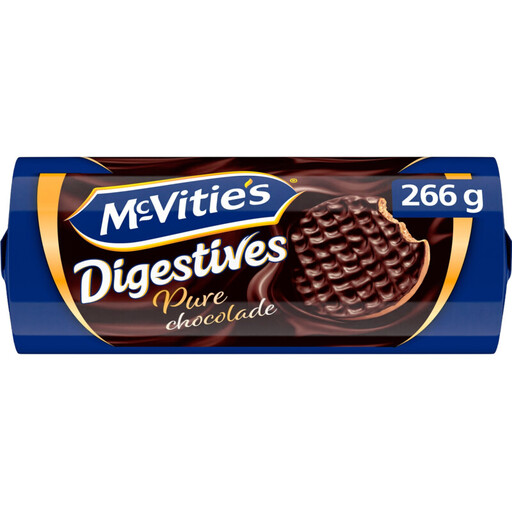 Image unavailable
A digestive biscuit with dark chocolate for serving as a sweet treat. Check the portion size and compare the sugars and fats on the packaging.
 Image unavailable
A cracker to consider if you’re looking for a crunchy grain product. It isn’t toast or a rusk, so compare the fibre content and check the wholegrain label on the packaging.
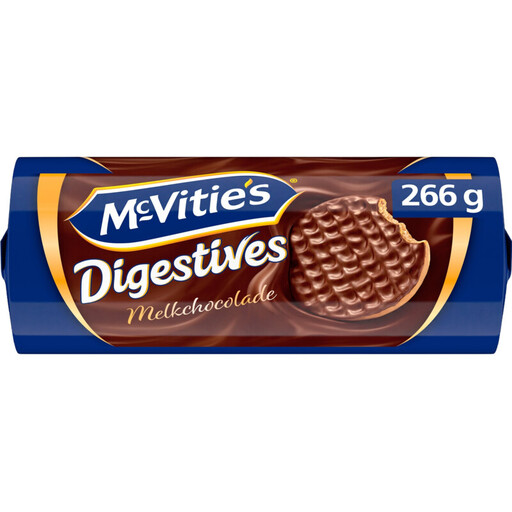 Image unavailable
A digestive biscuit with milk chocolate for a sweet coffee break, not for use as toast for toppings. Check the portion size and compare the nutritional value with other biscuits.
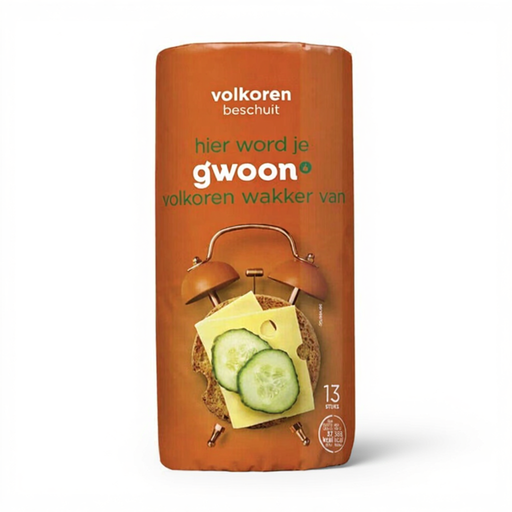 Image unavailable
A crunchy grain product to consider as a base for toppings, but it isn’t Melba toast or a rusk. Check the wholegrain label and nutritional information on the packaging.
No. Albert Heijn describes Verkade Digestive Original as wheat biscuits, while toast and Melba toast are generally chosen as crunchy bases for toppings. Decide how you want to use the product before comparing varieties.
No, the product name doesn’t prove that it has an effect on digestion. When making a nutritional choice, compare the fibre, sugars, fats and salt on the packaging, ideally between similar biscuits.
Don’t automatically choose a hard, brittle product if someone has difficulty swallowing, often chokes, coughs while eating or feels that food is getting stuck. Thuisarts advises contacting your GP about swallowing problems; ask them to determine which food texture is suitable.
Follow the storage instructions on the packaging and seal it well after opening to keep the contents crunchy. Also check the current packaging if ingredients or allergens matter to anyone sharing the food.