
Families who pack lunch every day
Looking for a toast or cracker base that can go to school regularly and pair with different toppings. If fibre is a factor in your choice, the ‘wholegrain’ label is a useful starting point.


For a secondary school lunch, choose toast or crackers labelled ‘wholegrain’ if fibre is your main concern. Plain Melba toast is a good fit if you prefer light, crisp slices. In either case, check the allergens, packaging and any school rules. If the thickness of a ‘medium sliced’ product matters, check the dimensions of the specific product.
Looking for a toast or cracker base that can go to school regularly and pair with different toppings. If fibre is a factor in your choice, the ‘wholegrain’ label is a useful starting point.
Looking for thin toast or crackers to top as they like. The packaging, the space in the lunchbox and the risk of breakage are all worth considering too.
Need clear information about cereals containing gluten and other relevant allergens. The current packaging and any school rules are more important than the general product name.
Start with any allergens that are relevant to the pupil. Then compare the product type and nutritional information per 100 g, and think about how the toast or crackers will be packed for the journey.
| What to consider | What to check when buying | Who is this most important for? |
|---|---|---|
| Wholegrain and fibre | Look for the ‘wholegrain’ label on the packaging and compare fibre and salt per 100 g. | If toast or crackers are often the basis of my lunch, I want to know whether I’m really choosing a wholegrain product. Around 42% of consumers would make this their main consideration. |
| Allergens and school rules | Read the current ingredients and allergen information, and check which rules apply at school if necessary. | If my child needs to avoid an ingredient, I can’t rely on a familiar brand name. Around 33% of consumers would make this check their first priority. |
| Crispness and carrying | Check the product type and packaging; take moist toppings separately if the toast needs to stay crisp. | I want to take something light and crunchy, without it breaking in my bag or going soft before lunch. This would matter most to around 25% of consumers. |
Toast, Melba toast and crackers can be made from different types of flour. A brown colour doesn’t prove that a product is wholegrain.
Look for the ‘wholegrain’ label on the packaging. Then compare the nutritional information per 100 g, including fibre and salt.
Products with similar names can have different ingredients. As well as cereals containing gluten, sesame, soya or egg may also be relevant.
Check the packaging again when you buy the product, bearing in mind the allergens that matter to the pupil and any school rules.
Moist toppings can make toast or crackers go soft, and thin products can also break in transit.
Pack moist toppings separately if crispness matters, and place the toast somewhere protected in the lunchbox. Once opened, follow the storage instructions on the packaging.
These brands offer different types of toast and crackers. Always check the details of the specific product you choose.
Offers thin wholegrain crackers that can be used as an alternative to toast in a packed lunch.
Worth considering for light Melba crackers, including a wholegrain version.
Jumbo’s product information says that LiGA Vitalu Whole Grain crackers come in two individual packs.
ALDI lists classic Sun Snacks Melba Toast Original in a 240 g pack.
The round Melba toast from this brand is an example of a different shape from rectangular slices or crackers.
These products are crackers and crispbread to consider as a lunch base, not confirmed ‘medium sliced’ toast. For a school bag, compare the product type, label and how you’ll pack them.
 Image unavailable
A cracker to consider if you’d rather pack something crunchy than slices of toast. Check the size and allergens on the packaging if these are important for the lunch.
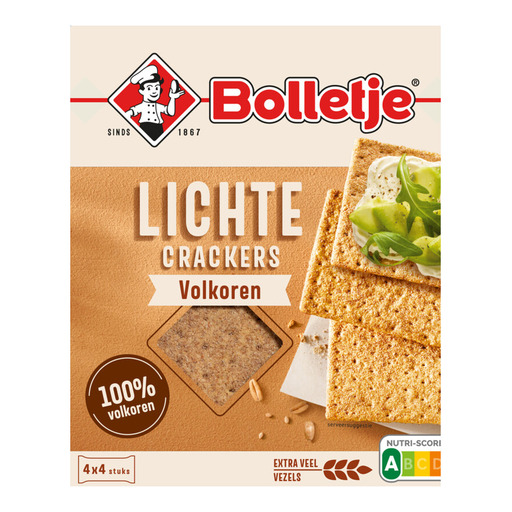 Image unavailable
Worth comparing if you’re looking for a wholegrain cracker for regular school lunches. According to the Joybuy product description, this product contains 15 g of fibre per 100 g; it also contains wheat, sesame and barley.
 Image unavailable
A rye cracker to compare with other cracker products if flavour and shape will help you decide. Check the current label for allergens and see whether the crackers will fit safely in the lunchbox.
 Image unavailable
Crispbread to compare with thinner toast or crackers if the product shape matters for lunch. Check the ingredients and allergens on the packaging, and pack it so it won’t break on the way.
 Image unavailable
A cracker to include when comparing fibre per 100 g. Read the nutritional information and ingredients on the packaging; the variety name alone doesn’t mean a product is entirely wholegrain.
No, you can’t assume that every type of toast does. Many products contain wheat or other cereals containing gluten. Check the current ingredients and allergen information for the toast you choose, especially if gluten needs to be avoided.
Pack moist toppings separately or wait until just before eating to top the toast if crispness matters. Seal an opened pack carefully and follow the product’s storage instructions.