
Holiday-home cooks with plenty of toppings
If you’re serving fish, cheese, charcuterie or spreads, the base’s shape and flavour matter. Plain melba toast lets the toppings take centre stage; for a more generous bite, consider a larger size.


Choose plain or multigrain melba toast when you want the toppings to take centre stage and are serving bite-sized snacks. Larger scrocchi are a better choice when you want the toast itself to add flavour or make more of a statement. Whichever you choose, check the size, ingredients and allergens, as well as how to store the pack once opened. ‘Premium’ is not a fixed measure of nutritional value or quality.
Before you do your shopping, think about whether the toast is mainly there to carry toppings, add its own flavour or meet a specific dietary requirement.
If you’re serving fish, cheese, charcuterie or spreads, the base’s shape and flavour matter. Plain melba toast lets the toppings take centre stage; for a more generous bite, consider a larger size.
On a simple sharing board, a toast flavoured with, for example, truffle or herbs can become part of the overall flavour combination. Match its flavour to the toppings so the result isn’t too busy.
If a guest needs to eat gluten-free or avoids certain allergens, start by checking the current packaging. Gluten-free scrocchi, for example, may still contain soya; check each variety individually.
First, decide what role the toast will play on the table. Then compare its size, ingredients and packaging with the number of occasions you’re planning to serve it at in your holiday home.
| What to consider | What to check when buying | Who it matters to |
|---|---|---|
| Flavour to suit the menu | Compare plain varieties with flavours such as truffle or tomato and basil, and read the ingredients. | With delicate toppings, I want to taste the topping; for a simple drinks board, the toast can add flavour. This flavour combination is the top priority for around 33% of consumers. |
| Size for toppings | Check the shape and size: small melba toast for bite-sized snacks, or a larger base for more generous toppings. | If I’m making lots of bites that all look the same, I’ll choose differently than if I want to serve one toast with a more generous topping. Having enough room for toppings matters most to around 27% of consumers. |
| Gluten and allergens | Read the current allergen information. If you need a gluten-free option, look for one that is explicitly labelled gluten-free and check for other allergens too. | If a guest has a dietary requirement, I need to know which ingredients are in that particular variety before serving it. Around 20% of consumers make this their top priority. |
| Packaging and storage | Compare the quantity and any individual packs; once opened, follow the storage advice on the label. | When I’m hosting guests on different days, I don’t want to have to open all the toast at once. For around 20% of consumers, managing stock and storage is the first consideration. |
Truffle, tomato and basil, and other strong flavours all play a part in the dish. That may be just what you want on a drinks board, but they might not work as well with delicate toppings.
Choose plain toast if you’re serving a variety of toppings. Go for a flavoured variety when its taste is a deliberate match for the menu.
Gluten-free toast may contain other allergens. For example, the gluten-free Laurieri scrocchi sold by Albert Heijn is made with soya and chickpea flour.
For every pack, check both the gluten-free label and the ingredients and allergen information. Keep an alternative separate and clearly identifiable when guests need different products.
If you’re serving toast over several days, it’s important to follow the storage instructions for opened packs. Smaller individual packs mean you can open only the amount you need.
Check the storage advice and open only what you need for each occasion; reseal an opened pack as instructed.
A luxurious look or distinctive flavour doesn’t tell you how much salt, sugar, fat or fibre a toast contains.
To compare nutritional value, check the nutrition information per 100 g and the ingredients of the specific varieties, rather than relying on the name.
These brands and retailers offer a range of crisp bread products. Always check the specific variety: a brand name alone doesn’t tell you about its size, ingredients or suitability for your toppings.
Melba toast in plain, multigrain and premium varieties, among others, for small bites at lunch or with drinks.
Scrocchi for anyone looking for a larger piece of toast or an extra flavour on their drinks board.
Italian scrocchi with bold flavours, including truffle, for drinks occasions where you want the toast itself to add flavour.
A retailer offering plain melba toast and various types of premium toast, among other products.
A place to look for melba toast, including a multigrain variety from Van der Meulen.
A place to look for melba toast and other toast varieties when you’re shopping for several guests.
A place to look for melba toast and plain toast for drinks, among other products.
An alternative if other crisp bread products would also suit the occasion you have planned.
These two Danish Toast varieties are suitable for breakfast at your holiday home. Don’t automatically choose them as a replacement for thin melba toast or large, crunchy scrocchi: first compare the flavour you want and the shape that will work for your toppings.
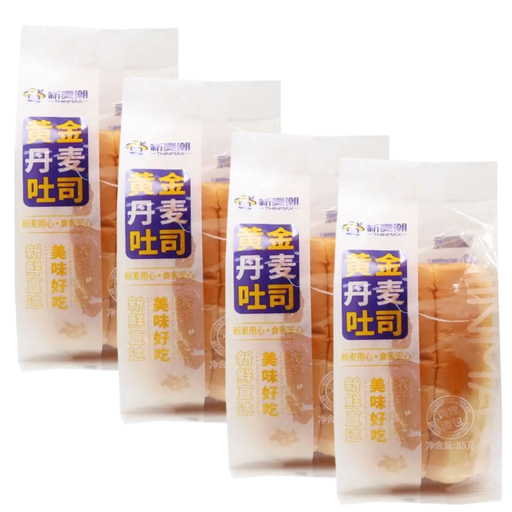 Image unavailable
An option for a holiday breakfast where you want the toast itself to add flavour. The four 85 g portions are useful if you plan to serve toast at different times; before use, check the packaging for ingredients, allergens and storage instructions for opened packs.
If you want to serve generous toppings, first compare the size and sturdiness with what you need.
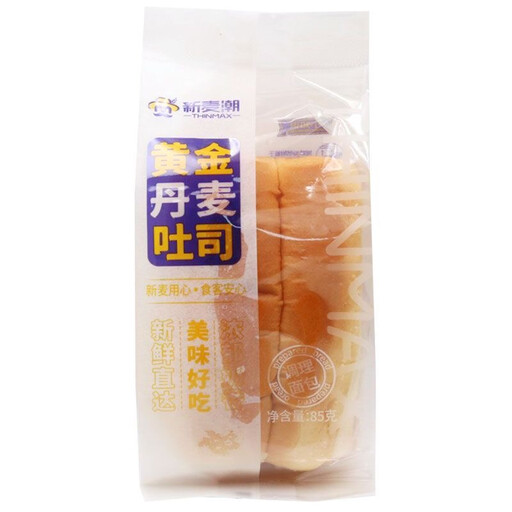 Image unavailable
A smaller pack for breakfast or a snack at your holiday home. Check the packaging for ingredients, allergens and storage instructions for opened packs.
If you need the toast as a base for generous toppings, check before buying that its shape will work.
Choose a size with enough room for the toppings you want to serve: melba toast works well for bite-sized snacks, while Albert Heijn describes Fratelli Laurieri Scrocchi Grande as a larger base. Choose plain toast when you want the toppings to take centre stage, and add them shortly before serving.
No. Truffle works best when you deliberately pair it with the other items on the board. If you’re serving a variety of delicate toppings, plain toast gives you more freedom to let the toppings provide the flavour.
Yes. The gluten-free Laurieri Scrocchi sea salt sold by Albert Heijn is made with soya flour. So, for every pack, check the current ingredients and allergen information as well as the gluten-free label.
Once opened, follow the storage instructions on the packaging and seal the toast securely. If you’re making snacks over several days, individual packs can help you avoid opening everything at once.
Use the online range to choose products, but check that your preferred variety is available at the store where you’ll be shopping. Lidl lists the toast mentioned as an in-store product; Jumbo listed a tomato and basil variety as no longer available.