
Households looking to reduce waste
If toast regularly features on your table, you’ll want a pack that gets used up. So look beyond the quantity and consider the flavour, size and crunchiness your eater will accept.


Start with a shape and flavour of toast that your fussy eater is willing to try; plain is a practical first choice if strong seasonings are off the menu. Then match the pack size to how often you use it, to keep leftovers to a minimum. If you’re also keeping an eye on fibre, you could consider a product explicitly labelled wholegrain, but check that its taste and texture are acceptable.
If toast regularly features on your table, you’ll want a pack that gets used up. So look beyond the quantity and consider the flavour, size and crunchiness your eater will accept.
Plain toast can be a base for familiar toppings, without introducing a new seasoning straight away. The Netherlands Nutrition Centre explains that some children enjoy helping themselves and eating independently; smaller pieces can be practical, but they don’t guarantee that the food will be accepted.
If you’re choosing between white and wholegrain options, compare the wholegrain labelling and nutritional information on the pack. The Netherlands Nutrition Centre recommends replacing white bread with wholemeal or brown bread as often as possible. Toast isn’t automatically an equivalent substitute for everyday bread.
First, decide which flavour and shape your eater is willing to try. Then choose a quantity that suits how often you use toast, and only after that compare options with a different composition.
| What to consider | What to check when buying | Who it matters to |
|---|---|---|
| Usable quantity | Check the pack weight and think about how often you’ll serve it. A larger pack won’t help if a lot of it is left over. | If toast isn’t eaten every day, I want a pack that gets used up before the contents are left untouched. For around 42% of consumers, reducing waste is the top priority. |
| Familiar flavour and shape | Compare plain and flavoured options, and note the difference between toast, Melba toast and mini crackers. | With a fussy eater, I don’t want to introduce an unfamiliar flavour and a different shape at the same time. A familiar flavour and texture are the main concern for roughly 33% of consumers. |
| Fibre and use as part of a meal | Look for an explicit wholegrain label and compare the nutritional information per 100 g. Also consider what else will be served with the meal. | If toast regularly serves as the base for a meal, I want to know which option fits with my usual preference for wholegrain. This matters most to around 25% of consumers. |
Melba toast, toast cups and mini crackers differ in shape and how they’re used. A mini cracker won’t necessarily suit the same meal or toppings as a larger piece of toast.
Compare options for the same eating occasion, and try just one pack if the texture is unfamiliar.
According to the Netherlands Nutrition Centre, bakers aren’t required to use baker’s salt. So you can’t tell whether a product contains it just from its category.
Check the ingredients list on the pack if baker’s salt is relevant to your choice. Consider toast as part of your overall diet, not as an automatic replacement for ordinary bread.
Albert Heijn points out that ingredients, nutritional values and allergy information can change. A product page you viewed earlier may therefore not match the pack you buy.
Check the label on the current packaging before use, especially if allergens or specific ingredients are important.
The range includes plain mini crackers, toast and flavoured options.
Melba toast, including plain and wholegrain options.
Toast and snack products, including Krokant Toast.
The ALDI range includes Toast Cups Naturel and Melba Toast Naturel.
Represented in the supermarket results mentioned by Pepsels snacks.
These products include two types of Melba toast and one plain mini cracker. Choose the mini cracker only if its smaller size suits the meal; product names and pack weights won’t tell you whether a fussy eater will eat the contents.
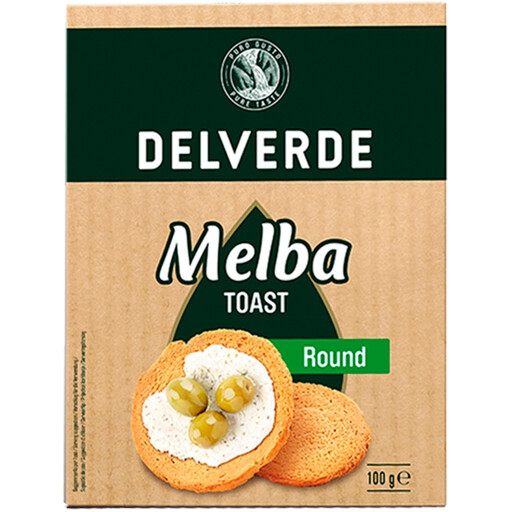 No image available
A round Melba toast to consider if this shape works with familiar toppings.
100 g pack. If you have allergies, check the ingredients on the pack. For young children, bear in mind that hard, crunchy foods can pose a choking risk.
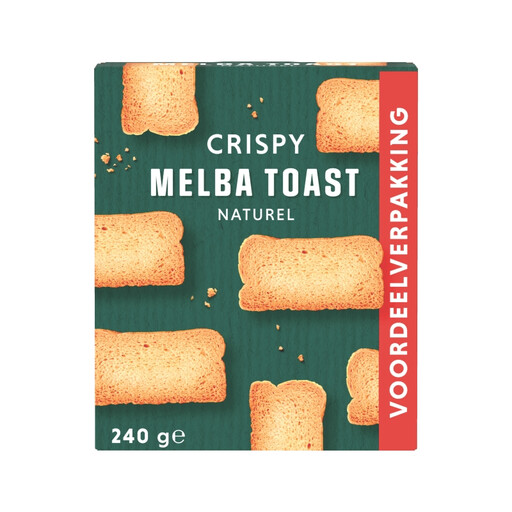 No image available
Melba toast to compare if you regularly use this type as a base for toppings.
240 g pack. The listed ingredients and allergen information contradict each other; if you have allergies, check the packaging label before use.
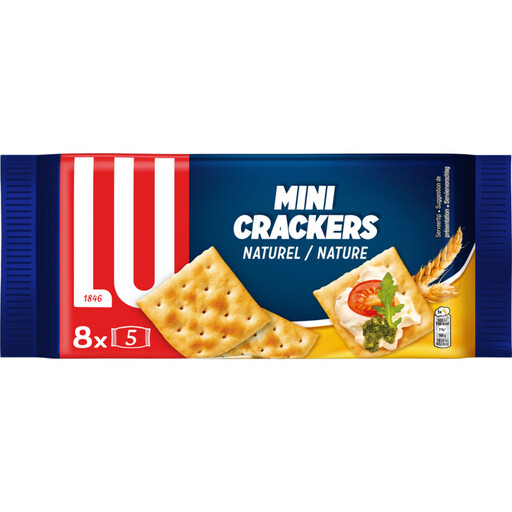 No image available
A plain mini cracker to consider if small crackers work for the meal you have in mind; this product isn’t labelled as toast.
250 g pack. Check the ingredients on the pack if allergens are relevant to your choice.
No, your choice also needs to suit what your eater is actually willing to eat. The Netherlands Nutrition Centre recommends choosing wholemeal or brown bread instead of white bread more often. If you want to try wholegrain toast, check the label on the pack and, if the flavour or texture is unfamiliar, start with one pack.
You can if the smaller size suits the toppings and meal you’re making. Mini crackers and toast are different products, so focus on whether your eater accepts the shape and texture rather than treating them as interchangeable.
No, you can’t assume that every type of toast does. According to the Netherlands Nutrition Centre, bakers aren’t required to use baker’s salt. Check the ingredients list on the relevant pack if this matters to your choice.
Use it to narrow down your options, but also read the label on the pack before use. Albert Heijn warns that ingredients, nutritional values and allergy information can change. This is especially important when allergens determine your choice of product.