Start with what the eater is willing to try. Plain toast is a sensible first choice if strong flavours are a sticking point, while wholegrain or seasoned toast is worth considering once the flavour and crisp texture are accepted. Then compare the fibre, salt and allergens on the packaging. If you’re specifically looking for medium-sliced toast, or want to serve toast instead of bread regularly, check the slice thickness and ingredients too. These details aren’t determined by the type of toast alone.
Who is this choice relevant to?
Parents of children who are sensitive to flavours
A mild toast base and a small amount of familiar topping let you choose the flavour and portion separately. The Netherlands Nutrition Centre advises against forcing a child who eats little or is a fussy eater to eat.
Families who serve toast regularly
If you serve toast more often, you can compare products on fibre, salt and ingredients as well as flavour. The Netherlands Nutrition Centre’s information about wholemeal bread doesn’t guarantee the nutritional value of every type of toast.
Households that need to check allergens
If someone has a food allergy or coeliac disease, the declaration on the specific packaging is what matters. The plain, wholegrain and seasoned toast varieties described in the research have different ingredients and allergens; the flavour name alone doesn’t tell you enough.
What should you look for when choosing?
First, choose a flavour and texture the eater is willing to try. Then use the label to compare nutritional information and ingredients. If someone has a food allergy or coeliac disease, check that the product is suitable before tasting it.
| What to consider |
What to check when buying |
Who is this important for? |
| Predictable flavour and portion |
Check the flavour and packaging. If you like, start with a small amount and a familiar topping. |
If new flavours are often rejected, I want to start with a mild base without pressure to keep eating. Around 50% of consumers prioritise this predictability. |
| Fibre and salt |
Compare the nutritional information per 100 g and check whether seeds or other grains change the flavour and texture. |
Once a type of toast is accepted, I also want to know how the fibre and salt levels compare with alternatives. Around 30% of consumers give this comparison top priority. |
| Allergens |
Check the current packaging for both the allergens present and any warnings about traces. |
If someone in my household has a food allergy or coeliac disease, I need to know which ingredients the chosen product contains first. Around 20% of consumers put this check first. |
Common mistakes
-
Assuming all toast has the same nutritional profile
According to the product information from Albert Heijn, Van der Meulen Melba Toast Naturel contains 3.9 g of fibre and 1.3 g of salt per 100 g. The wholegrain & spelt variety included in the research contains 9.4 g of fibre and 1.7 g of salt per 100 g. So, for these two products, the higher fibre content also comes with a different composition and salt level.
Compare the nutritional information per 100 g on the packs you’re actually considering, and take flavour acceptance into account too.
-
Assuming plain means allergen-free
The plain Melba toast in Albert Heijn’s product information contains wheat, barley and soya, among other ingredients, and may contain sesame. A neutral flavour doesn’t mean it’s suitable for someone with an allergy or coeliac disease.
Read the full allergen declaration on the pack you’ve chosen, even if the product name sounds familiar.
-
Relying only on online ingredient information
Albert Heijn points out that product information can change. Jumbo also states that cross-contamination cannot be ruled out for certain products packaged in store.
When buying, check the label on the exact pack you’ll be using, especially if an allergen needs to be avoided.
-
Assuming toast has the same ingredients as everyday bread
According to the Netherlands Nutrition Centre, baker’s salt isn’t even compulsory in bread. So don’t automatically assume that iodised baker’s salt has been used in toast.
Check the ingredients list for baker’s salt if you regularly serve toast instead of bread. Check the nutritional information for that specific toast too, rather than assuming it has the same properties as bread.
Comparing brands and own-label options
Van der Meulen
The Melba toast varieties included in the research offer a choice between a plain version and a wholegrain & spelt version.
- Albert Heijn’s product information lists six packs of six toast slices for the plain version.
- According to that product information, the wholegrain & spelt version contains more fibre per 100 g, but also more salt and a different allergen declaration from the plain version.
Haust
Haust Krokant Toast is worth considering if a seasoned, crisp toast sounds appealing.
- Jumbo describes this toast as double-baked and coated with herbs.
- Its seasoned flavour makes it different from a neutral base; check the allergens on the packaging too.
Albert Heijn
Albert Heijn’s range includes own-label toast and several Melba toast varieties to compare for ingredients and size.
- The range overview includes AH Melba Toast Naturel and varieties from Van der Meulen.
- Albert Heijn says that ingredient and allergy information can change, so check the packaging.
Jumbo
Jumbo’s toast range includes own-label and branded products in different flavours and sizes.
- The range overview includes Jumbo Knapperige Toast and Haust Krokant Toast.
- Jumbo says that cross-contamination cannot be ruled out for certain products packaged in store.
Toast options on Joybuy
These two toast options are worth considering if you’re looking for a relatively mild base to try in a small amount with a familiar topping. They’re different types of toast: Melba toast and rice toast. Compare their flavours and ingredients separately, and check the slice thickness if medium-sliced toast is a must for you.
 No image available
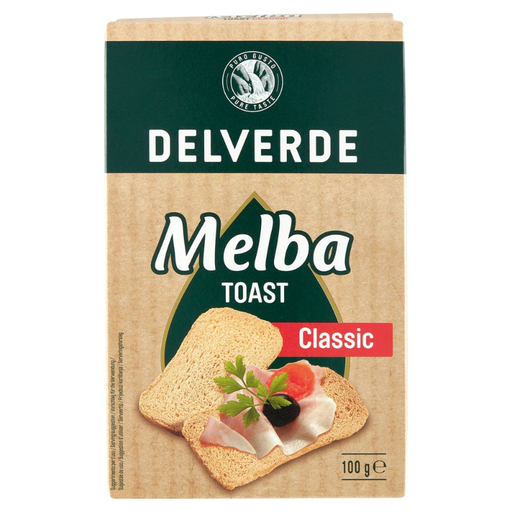
Delverde Classic Melba Toast 100 g
Melba toast to consider if you’d like to start with a neutral flavour and a familiar topping. The pack contains 100 g; check whether the firm, crisp texture is right for the eater.
If you have allergies, check the current label. Also look at the ingredients if you want to know whether baker’s salt has been used.
View on Joybuy
 No image available
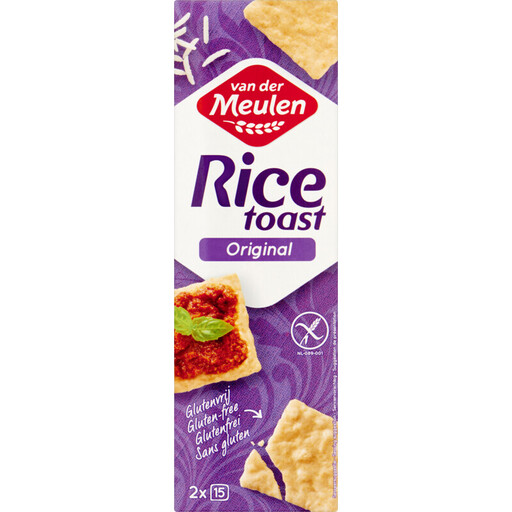
Van Der Meulen Rice Toast Natural 65 g
Rice toast to try in a small amount if you’d like to compare it with a different base to Melba toast. The pack contains 65 g; bear in mind its described sweet-and-savoury flavour and crisp texture.
Check the current packaging carefully if sesame or soya needs to be avoided. Don’t rely on the name Natural alone to tell you about the ingredients or whether it’s suitable for your diet.
View on Joybuy
Frequently asked questions
Is plain toast always the right first choice for a fussy eater?
No, but mild plain toast is a sensible option to try if strong flavours are often rejected. Start with a small amount and, if you like, a familiar topping. The Netherlands Nutrition Centre advises against forcing a child to eat.
Can I choose wholegrain toast based on the name alone?
No. Compare the nutritional information and ingredients for the specific product. According to Albert Heijn’s product information, the Van der Meulen wholegrain & spelt toast included in the research contains 9.4 g of fibre and 1.7 g of salt per 100 g, compared with 3.9 g of fibre and 1.3 g of salt per 100 g for the plain Melba toast. The flavour and composition differ too.
Does toast in the Netherlands automatically contain iodised baker’s salt?
No, don’t assume it does. According to the Netherlands Nutrition Centre, baker’s salt isn’t compulsory in bread either. Check the ingredients list or ask the manufacturer if this matters to your choice.
How do I check for allergens in toast?
Read the allergen declaration on the packaging of the exact product you’re buying, including any warnings about traces. A description such as plain doesn’t mean it’s free from wheat or other allergens, and online product information may differ from the current packaging.


