What should you look for when choosing?
First, think about whether you can store the toast somewhere dry and how much you’ll open at each mealtime. Then compare the nutritional information and allergens of the options that suit your needs.
| What to consider |
What to check before buying |
Who it matters most to |
| Storage after opening |
Check the inner packaging and storage instructions, and consider how you’ll keep opened toast sealed and dry. |
If I’m using a pack over several days of camping, I don’t want the rest to go soft from damp. For around 33% of consumers, being able to store food easily after opening comes first. |
| Fibre and salt |
Compare fibre and salt per 100 g, and check the wholemeal label. |
If I regularly use toast as the base for lunch, I want to know what’s in both the toast and the topping. For around 27% of consumers, this daily nutritional comparison matters most. |
| Gluten and allergens |
Read the ingredients and allergens on the exact pack. If needed, look for an explicit gluten-free label. |
If I have to avoid certain ingredients strictly, I can’t rely on the word ‘toast’ alone. For around 20% of consumers, checking this is the top priority. |
| Pack size and how you’ll use it |
Compare the net weight and consider whether you’ll use up a larger pack in time or can store it in portions. |
If we’re eating with several people, I want to bring enough without letting an opened pack go stale. For around 20% of consumers, choosing the right quantity is the deciding factor. |
Toast options on Joybuy
These products offer different shapes and pack sizes for enjoying toast while camping. Rice toast, soft Danish toast and melba toast aren’t necessarily interchangeable with a medium-thick slice of bread, so choose a shape that works with your toppings and storage options.
 Image unavailable
Van der Meulen Rice Toast Natural, 65 g
An option if you’d like to take a small amount of rice toast rather than sliced bread toast.
The product information lists two packs totalling 65 g. If you follow a strict diet, check the label: the information about sesame and soya is unclear.
View on Joybuy
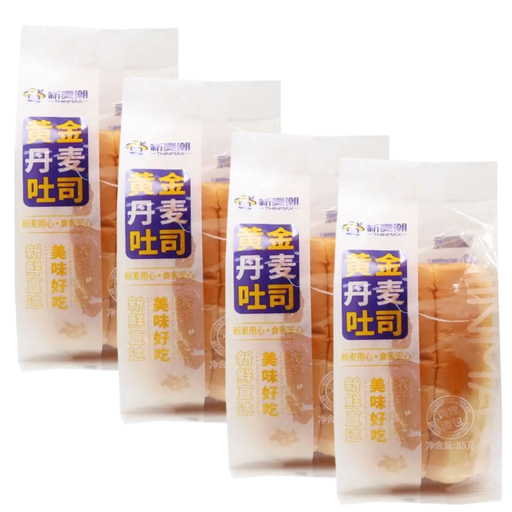 Image unavailable
Thinmax Golden Danish Toast, 4 × 85 g
The four separate portions may suit different mealtimes. According to the product description, this is soft Danish toast, not crisp melba toast.
The information says to store at room temperature and consume within 24 hours of opening. It also lists wheat, milk, egg, soya and sesame as allergens.
View on Joybuy
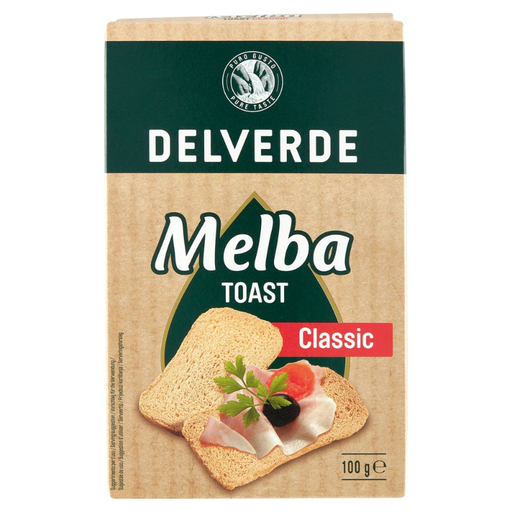 Image unavailable
Delverde Classic Melba Toast, 100 g
This 100 g pack may suit you if you want to take classic melba toast and can keep the opened contents sealed and dry.
The product information lists wheat, barley and gluten, and possible traces of sesame, soya and mustard. If you use the toast regularly, compare salt and fibre per 100 g on the label.
View on Joybuy
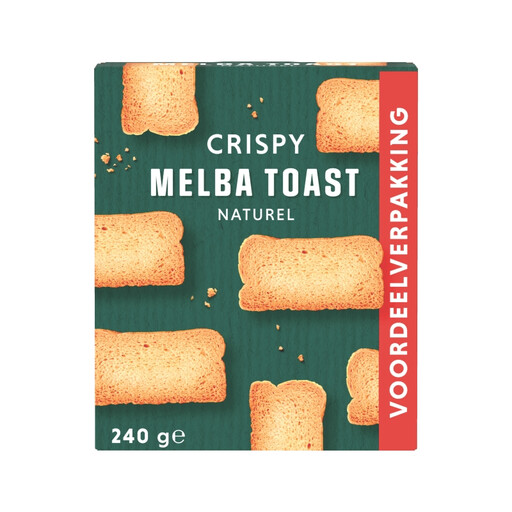 Image unavailable
Crispy Melba Toast, 240 g
A 240 g pack is worth considering if you’ll be sharing it with several people and can keep it sealed and dry after opening.
The allergen information in the product description is contradictory: it claims the product is free from allergens, but wheat, barley and soya are listed in the ingredients. Base your dietary choices on the current pack label.
View on Joybuy
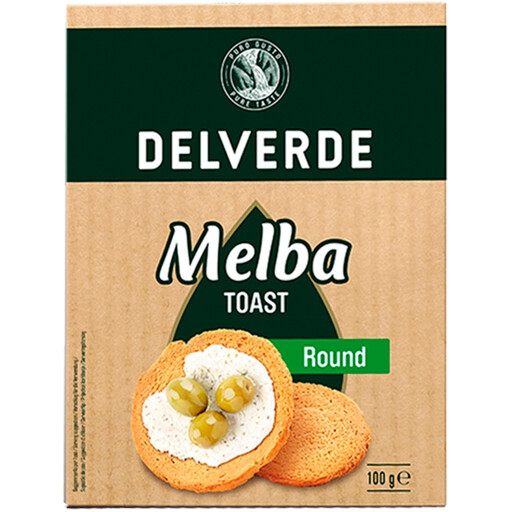 Image unavailable
Conimex Delverde Melba Toast Round, 100 g
This 100 g pack of round melba toast is an option for smaller topped toast bites, rather than if you’re looking specifically for a medium-thick slice of bread.
The product information lists wheat, barley and gluten, and possible traces of sesame, soya and mustard. Check the nutritional information per 100 g and seal the pack well after opening.
View on Joybuy
Frequently asked questions
How should I store opened toast while camping?
Store opened toast somewhere dry and dark, in a well-sealed container. For opened toast, the Netherlands Nutrition Centre gives a storage guideline of around one month in a kitchen cupboard. Also follow the instructions on your pack and look out for softness or a musty smell.
Is melba toast suitable as an everyday base for toppings?
It depends on the variety, the shape and how often you eat it. Compare salt and fibre per 100 g, and check that the toast is large enough for the toppings you want to take with you. ‘Multigrain’ doesn’t automatically mean ‘wholemeal’.
Can I choose ordinary melba toast if I need to eat gluten-free?
Don’t assume it’s gluten-free: the ordinary melba toast varieties mentioned contain wheat and barley. If you need to follow a gluten-free diet, look for an explicit gluten-free label or the Crossed Grain symbol, as advised by the Netherlands Nutrition Centre, and check the label on the exact product.
Does all toast contain iodised baker’s salt?
No, you can’t assume that all toast does. Check the ingredients on the pack, or ask the manufacturer which type of salt is used in that particular variety if iodine is important to your choice.
Can I store toppings in the same way as dry toast?
No. Toppings may have different storage requirements from toast. Choose toppings that suit the refrigeration you have available while camping, and follow the storage and usage instructions on the packaging.


