What should you look for when choosing?
When catering for a mixed group, first decide which flavours and shapes you want to serve alongside one another. Then choose the toppings and, finally, check the labels and pack sizes of the products you actually buy.
| What to consider |
What to check when buying |
Who should pay particular attention? |
| Combining plain and wholegrain options |
Check the product description and ingredients. According to the Netherlands Food and Consumer Product Safety Authority, all the grain ingredient must be wholemeal for a product to be called wholegrain. |
If guests expect both mild-tasting toast and a wholegrain option, I don’t want one strong flavour to dominate the whole platter. Around 33% of consumers put this balance of flavours first. |
| How crisp it stays under toppings |
Consider whether plain or sturdier toast would go better with the toppings. Serve moist toppings separately if the toast will be sitting out for a while. |
If the toppings need to be on the table in advance, I want to stop the toast going soft before serving. This texture matters most to around 25% of consumers. |
| Allergens |
Read the latest label for every option, including any warnings about the possible presence of allergens. Keep suitable options and serving utensils separate when needed for your guests. |
If a guest needs to avoid an allergen, I need to know which pack and serving method are suitable for them. Checking for allergens is the top priority for around 25% of consumers. |
| Portions and packaging |
Compare the number of toast slices, net weight and any individually wrapped packs. Weight alone won’t tell you how many small bites you can make. |
For a larger sharing platter, I want to prepare enough portions without opening more toast than necessary in advance. Around 17% of consumers give this planning the highest priority. |
Toast and crisp alternatives at Joybuy
The first three products are melba toast, offering a plain base for toppings. The crispbread and crackers that follow are different crisp options for guests who want a wholegrain variety. Consider their shape separately if you’re planning to serve small topped toast slices.
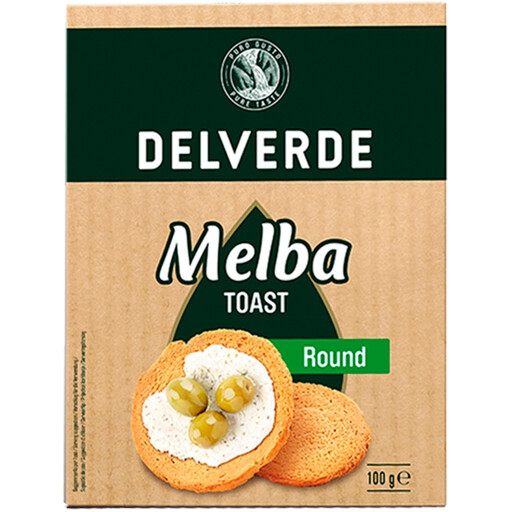 Image unavailable
Conimex Delverde Melba Toast Round, 100 g
Round melba toast for planning individually topped bites; decide whether the shape suits your toppings.
Pack size: 100 g. If you have allergies, check the latest label for wheat, barley and warnings about the possible presence of sesame, soya and mustard.
View at Joybuy
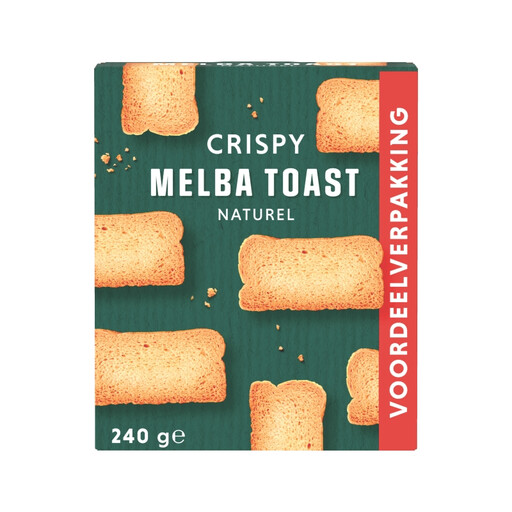 Image unavailable
Crispy Melba Toast, 240 g
Melba toast to consider as a separate base alongside a wholegrain option.
Pack size: 240 g. The product description contains conflicting allergen information, including a claim that it is free from allergens alongside references to wheat, barley and soya. Don’t choose this product for a guest with a relevant allergy without checking the latest label or contacting the manufacturer.
View at Joybuy
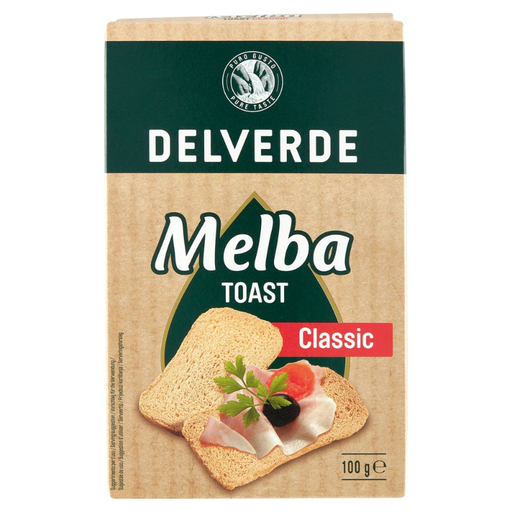 Image unavailable
Delverde Classic Melba Toast, 100 g
Classic melba toast for anyone wanting a separate base for a variety of toppings.
Pack size: 100 g. If you have allergies, check the label for wheat, barley and possible traces of sesame, soya and mustard. Supervise young children while they eat hard toast.
View at Joybuy
 Image unavailable
Bolletje Whole Grain Crispbread, 265 g
Crispbread offers a different crunchy option alongside melba toast; check that its shape suits your planned toppings.
Pack size: 265 g. This isn’t melba toast. If you have allergies, check the label, including for cereals containing gluten and sesame.
View at Joybuy
 Image unavailable
Wasa High-Fiber Crackers, 300 g
Consider these crackers as a different crisp option to serve alongside small toast slices, rather than as an equivalent to melba toast.
Pack size: 300 g. If your guests have allergies, check the latest label, including for sesame, cereals containing gluten and possible traces of milk.
View at Joybuy
Frequently asked questions
When can toast be called wholegrain in the Netherlands?
According to the Netherlands Food and Consumer Product Safety Authority, a product can be called wholegrain if all the grain ingredient is wholemeal. You can still choose a product made with a mix of white and wholemeal flour, but read the product description and ingredients so you don’t confuse it with a fully wholegrain product.
Does all toast contain iodine because of the rules on baker’s salt?
That doesn’t follow from the Dutch rules on baker’s salt. The Netherlands Food and Consumer Product Safety Authority explains the conditions under which iodine compounds may be present in bread, bread substitutes and other baked goods through the use of baker’s salt, up to a maximum of 65 mg of iodine per kg of salt. The rule doesn’t mean that all toast uses this salt. Check the latest label for a specific product or ask the manufacturer.
How can I keep melba toast crisp while serving?
Add moist toppings to the melba toast shortly before serving, or serve them on the side. Seal an opened pack tightly and, if your bites will be sitting out for a while, try your chosen combination of toast and toppings in advance to see how it holds up.
Is vegan toast also suitable for someone with a gluten or sesame allergy?
No. A vegan label on its own tells you nothing about gluten or sesame. Albert Heijn labels AH Melba toast naturel as vegan on its product page, while the product information also lists cereals containing gluten. For every relevant allergy, check the latest label on the exact pack you’re serving.


