
Breakfast eater with a bag ready to go
You want to take something you can eat without a plate or any preparation. Small individual packs make it easier to decide on a portion in advance.


Choose individually wrapped crackers if you want something you can eat on the go without any preparation; choose plain Melba toast if you’d rather decide what to put on it yourself. Check the serving size, fibre, salt and allergens on the label. Toast or crackers alone won’t necessarily make the breakfast you have in mind; the Voedingscentrum recommends brown or wholemeal bread with a suitable topping as a breakfast option.
You want to take something you can eat without a plate or any preparation. Small individual packs make it easier to decide on a portion in advance.
When choosing a quick breakfast, you also consider fibre, salt and what you’ll eat with it. The Voedingscentrum recommends considering brown and wholemeal bread when choosing bread.
You’re deciding between a seasoned cracker you can eat straight away and plain toast that you can top yourself.
First decide whether you want to eat straight from an individual pack while you’re out or take your own toppings. Then compare the labels of products that suit the way you plan to use them.
| What to consider | What to check when buying | Who is this most relevant to? |
|---|---|---|
| Taking it with you and portioning | Check how many pieces are in each individual pack and whether you can eat the product without any preparation. | If my breakfast is already in my bag, I want to be able to grab a suitable portion straight away. An estimated 42% of consumers give this convenience the highest priority. |
| Fibre, salt and what you eat for breakfast | Compare fibre and salt per 100 g and per planned portion; also consider what you’ll eat with it. | If toast is often my breakfast, I want to know what my chosen portion and the rest of my breakfast contribute. An estimated 33% of consumers put this label information first. |
| Flavour or your own toppings | Choose between a seasoned cracker and plain toast; check the ingredients and allergens for both. | I want either a savoury flavour straight away when I’m out or to decide for myself what to put on it. An estimated 25% of consumers consider this the main factor. |
The Consumentenbond warns that a fibre claim on products such as crackers can suggest more than you’ll get from a typical portion.
Compare fibre per 100 g and per portion, and factor in the rest of your breakfast too.
A distinctive flavour or crunchy texture doesn’t tell you what your breakfast as a whole contains.
Decide in advance whether you want to take toppings or another breakfast product with you. If bread is central to your choice, you could also consider brown or wholemeal bread with a suitable topping, as recommended by the Voedingscentrum.
Allergens vary from product to product. For its Ciabatta Crackers Tomaat & Kruiden, Bolletje lists wheat and possible traces of, among other things, egg, milk, nuts and sesame; Albert Heijn lists cereals containing gluten and soya, among other allergens, for AH Melba toast naturel.
Check the packaging of the particular variety you’re buying if ingredients or allergens are important to you.
A shop page and its online range don’t always offer the same ways to buy. Lidl lists its Melba toast as available in store only.
Before setting off or placing an order, check how you can buy the product you’ve chosen.
Ciabatta Crackers Tomaat & Kruiden are a seasoned cracker option, sold in packs of two.
AH Melba toast naturel is a plain base for your own toppings, sold as a 240 g multipack containing twelve small packets.
Jumbo Mini Crackers Naturel are worth considering if small individual packets matter more to you than a large pack of toast.
Lidl lists a 240 g Melba toast as a plain toast option.
Sun Snacks Melba Toast Naturel at ALDI is a 240 g Melba toast option.
These products offer a few different options for a quick breakfast: toast to eat straight away, Melba toast for your own toppings and crackers as an alternative. The pack weight doesn’t tell you how many individual breakfast portions you’ll get, so check before choosing something to take with you.
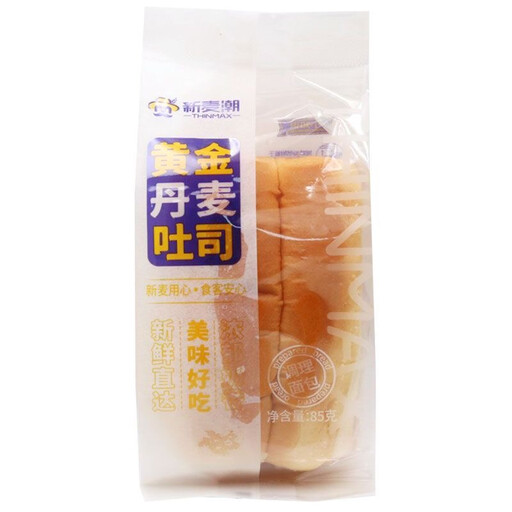 No image available
An option if you’re looking for toast to eat straight away. The pack contains 85 g; check how many pieces you want to take for breakfast and read the latest nutritional information and allergen details.
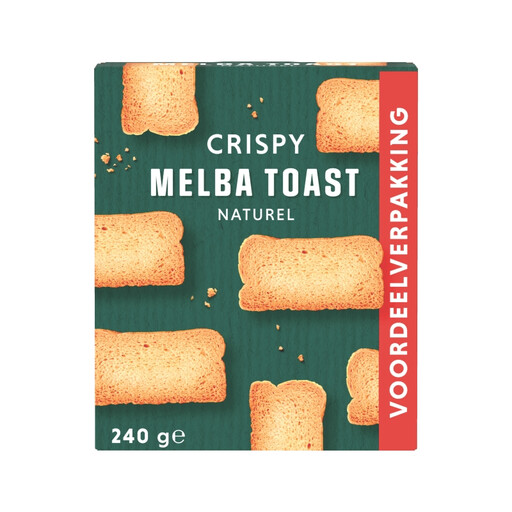 No image available
Melba toast for anyone who wants to put together their own breakfast. The pack contains 240 g; check the portion size and, if you have allergies, read the ingredients and allergen information on the current label.
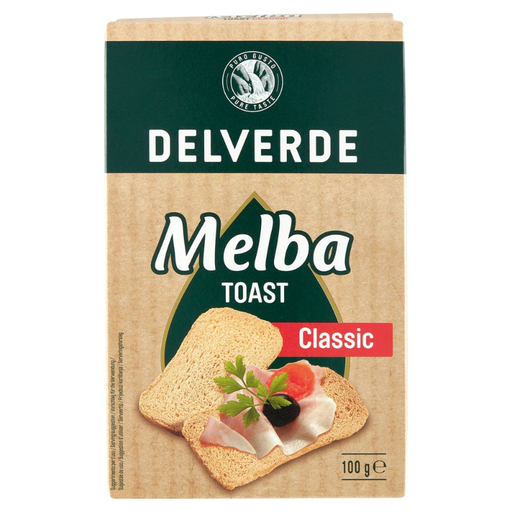 No image available
A Melba toast base for breakfast with toppings of your choice. The pack contains 100 g; choose a portion to take with you in advance and check the label if allergens are relevant to you.
 No image available
Crackers as an alternative to Melba toast when you want to choose your own toppings. The pack contains 300 g; compare fibre on the label per 100 g and per portion, and decide how much you want to take with you.
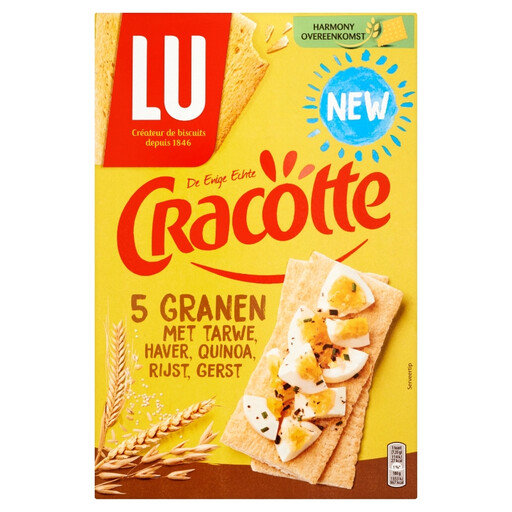 No image available
A cracker option for breakfast with your own toppings, rather than Melba toast. The pack contains 250 g; check the nutritional information and decide whether you’d like to take a smaller portion separately.
Toast on its own doesn’t determine what your breakfast as a whole looks like. Think about what you’d like to eat with it; the Voedingscentrum recommends brown or wholemeal bread with a suitable topping as a breakfast option.
Albert Heijn recommends storing opened AH Melba toast naturel in a sealed tin. For other varieties, follow the storage instructions on the packaging.
Check the allergens for the specific product you’re buying. For AH Melba toast naturel, Albert Heijn lists cereals containing gluten and soya, among other things; Bolletje says its Ciabatta Crackers Tomaat & Kruiden contain wheat and may contain traces of, among other things, egg, milk, nuts and sesame. Check the current label before eating.