
Vandaag of morgen in huis

Kwaliteit gegarandeerd

Welkomstaanbiedingen ontgrendelen: GRATIS bezorging | Tot 80% korting | Gratis 30 dagen JoyPlus-proefperiode
Download de app
A tinted face cream with SPF combines an even-looking complexion with everyday sun protection. That sounds simple, but in practice there are clear differences between a tinted day cream with SPF, tinted moisturiser, foundation with SPF and a standard SPF50 facial sunscreen. The right choice depends on your skin type, the coverage you want and how much time you spend outdoors.
Foundation or a make-up base with SPF is often applied too thinly. As a result, the actual level of protection may be lower than the figure stated on the packaging. SPF 15, SPF 25 or SPF 30 in make-up is therefore not automatically sufficient for a long day on the terrace, while cycling or at the beach.
For brief daily exposure, a product with SPF can be practical. In strong sunlight, a separate facial sunscreen with a higher SPF is the wiser choice. Apply it generously, then use the tinted cream for colour and coverage.
A shade such as “Universal Medium”, “Dune” or “Buttercream” can look different on different skin tones. Lighting, undertones and oxidation all affect the result. A shade that is too pink can emphasise redness, while one that is too yellow or dark may look noticeably different around the jawline.
Always check the shade variation and see whether the formula is intended to provide light coverage, colour correction or more highly pigmented foundation coverage.
A mattifying facial SPF can feel comfortable on oily skin, but it may make dryness more noticeable. A hydrating face cream with sun protection can be more comfortable for dry skin, but may become shiny more quickly on oily skin.
As well as marketing terms, check the practical details: oil-free formula, mineral or organic UV filters, fragrance-free, non-comedogenic and the recommended skin types.
Remember that SPF mainly indicates UVB protection. Also look for an indication of UVA protection, such as the UVA logo or a PA rating. Reapply as instructed on the packaging, especially after sweating, swimming or drying yourself.
A tinted day cream with SPF usually provides sheer to light coverage. This helps even out your complexion without the appearance of traditional foundation. Foundation with SPF can offer more coverage, but generally feels more like make-up.
Look out for these terms:
For sensitive or redness-prone skin, a fragrance-free formula may be a sensible choice. Always check the ingredients list and follow the warnings on the packaging. “Hypoallergenic”, “dermatologically tested” or “suitable for sensitive skin” are product claims made by the brand; they do not guarantee that every user will tolerate the product without problems.
For blemish-prone or oily skin, oil-free and non-comedogenic may be relevant specifications. According to information provided by the brands concerned, some formulas are offered as non-comedogenic. Stop using the product if irritation occurs and avoid contact with the eyes.
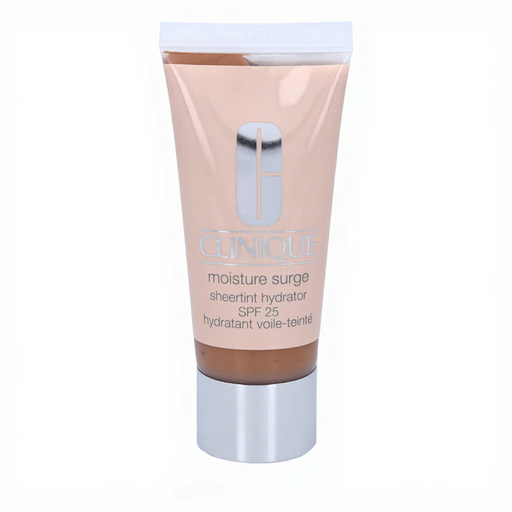
Why it suits this profile: A 3-in-1 product for anyone who wants to combine hydration, a subtle tint and extra protection in one morning step. The coverage is described as light and the shade is #04 Universal Medium.
The product description clearly states the shade, SPF 25, oil-free formula and light coverage. This makes it easier to distinguish its function from that of a separate facial sunscreen.
40 ml; SPF 25; low-oil formula; according to the product information, intended for hydration, improving the appearance of the complexion and everyday use.
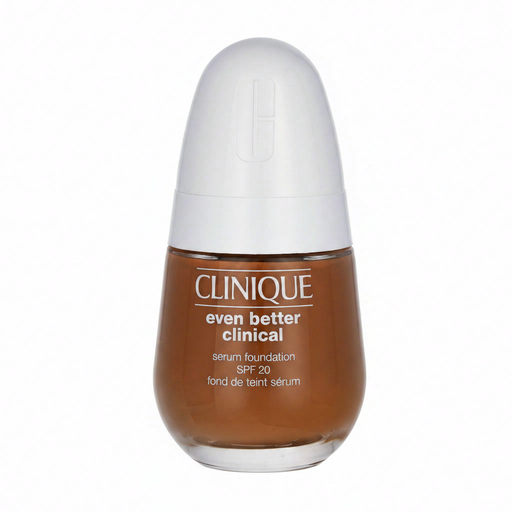
Why it suits this profile: For anyone who prioritises the feel of foundation and medium to full coverage over an ultra-light tinted moisturiser. The shade is WN114 Golden.
The SPF 20 is not presented as a replacement for high sun protection. You can use the foundation for coverage and choose a separate SPF as well.
30 ml; oil-free liquid formula; SPF 20; medium to full coverage according to the product description.
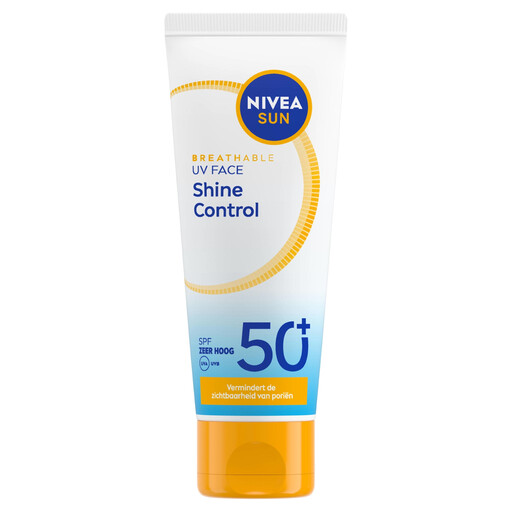
Why it suits this profile: For anyone primarily looking for high facial protection and a matte base beneath make-up. This is not a tinted cream, but an SPF50 facial sunscreen for everyday use.
The SPF 50 is separate from colour pigments and coverage. According to the product information, the formula is lightweight, non-comedogenic and intended for use under make-up.
40 ml; SPF 50+; matte finish; according to the brand description, suitable as a base beneath make-up.
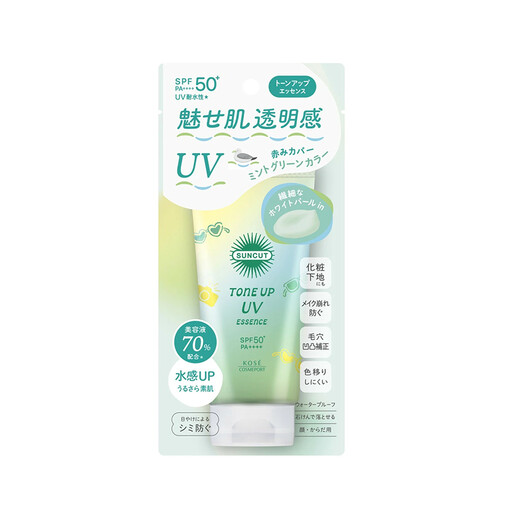
Why it suits this profile: The subtle tint is intended to optically neutralise visible redness and can, according to the product description, be used as a make-up base.
The product information mentions the colour-correcting function and lightweight, non-greasy texture separately. So do not expect full foundation coverage.
80 g; subtle tint; lightweight texture; designed for redness-prone skin according to the product description.
We have put together a complete, up-to-date list of products that fully meet these strict selection criteria and the applicable European safety regulations.
A make-up base with SPF, such as a purple or green colour-correcting primer, is mainly intended to prepare the skin for foundation. The SPF value is an additional feature and is not automatically the only sun protection you need.
It can be, provided the formula suits your skin type and you use the cream as instructed on the packaging. For longer periods of sun exposure, a separate sunscreen for sensitive skin or SPF50 facial sunscreen is a sensible addition. Also remember to reapply after sweating or drying yourself.
A tinted moisturiser SPF30 usually combines hydration with sheer to light coverage. Foundation with SPF is primarily designed to even out the complexion and often provides more coverage. The SPF in both products is affected by the amount you apply.
Check the expiry date and the period after opening stated on the packaging. Some products, for example, display “24M”, meaning 24 months after opening. Store the cream in a cool, dry place away from direct sunlight. A change in smell, colour or texture, or a reaction on your skin, are reasons to stop using the product.
