
Vandaag of morgen in huis

Kwaliteit gegarandeerd

Welkomstaanbiedingen ontgrendelen: GRATIS bezorging | Tot 80% korting | Gratis 30 dagen JoyPlus-proefperiode
Download de app
A tinted day cream with SPF combines skincare, an even complexion and sun protection in one step. However, not every product suits every skin type or situation. A light skin tint can be lovely for daily wear, while a foundation with SPF is a better choice when you want more coverage.
Most mistakes happen because of three common pitfalls:
First, check the stated SPF level. SPF 15 offers lower protection than SPF 30. A tinted day cream with SPF 30 is therefore a practical choice for everyday wear, but it does not replace a separate sunscreen for a day at the beach, exercise or prolonged exposure.
Also pay attention to the usage instructions. Apply the product evenly to your face and neck and follow the directions on the packaging. Reapplication may be necessary if you sweat, swim or towel dry. Claims about protection against UV rays or environmental factors are product claims; do not take them as a guarantee for every situation.
Choose the coverage based on the result you want:
Dry skin can benefit from a hydrating makeup with glycerine, hyaluronic acid or nourishing oils. For oily or combination skin, an oil-free formula, silica or a matte finish may feel more comfortable. Always check the full ingredients list, especially if you have sensitive skin or known allergies.
A suitable shade should match your neck, not just your cheeks. Different colour choices are needed for light, medium and dark skin tones. Some products come in several variants, such as Light, Medium, Mocha, Cinnamon or Deep. Other formulas claim that pigments adapt to your skin. According to the brand’s product description, this can create a natural result, but the effect varies depending on your skin tone and undertone.
Apply a small amount along your jawline and wait a few minutes. Check the colour in natural light. A shade that is too light can look ashy; one that is too dark can visibly differ from your neck.
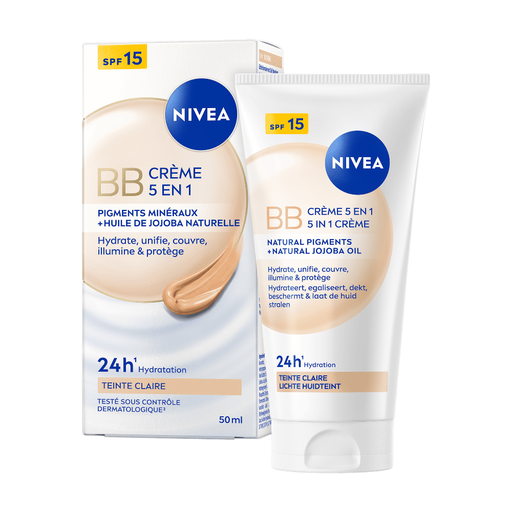
Why this fits the profile: A simple BB cream for anyone looking for a light tint, hydration and a modest SPF all in one product.
The product information clearly states SPF 15, a 50 ml size and a variant for a light skin tone. Do not expect high coverage.
Jojoba oil, light coverage and SPF 15 according to the product description.
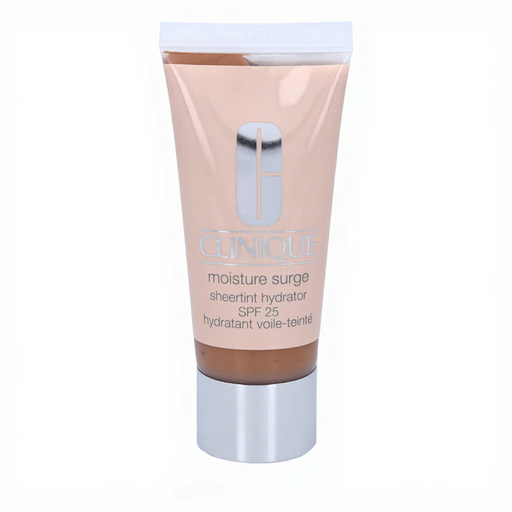
Why this fits the profile: The combination of a light tint, oil-free formula and hydrating ingredients suits anyone who wants to blend skincare and makeup.
The shade, 40 ml size, SPF 25 and oil-free formula are all clearly stated. The coverage remains natural and light according to the description.
Hyaluronic acid, activated aloe water, SPF 25 and shade #04 Universal Medium.
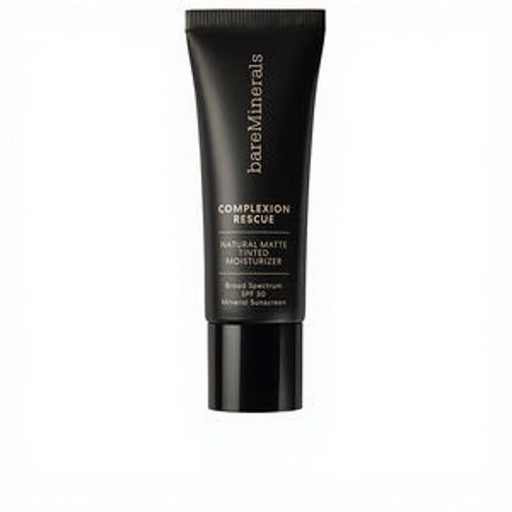
Why this fits the profile: The mineral SPF 30 and matte, oil-free finish appeal to users who want a less shiny result during the day.
The product details explicitly mention SPF 30, a mineral formula and sheer to light coverage. This makes expectations clear.
35 ml, SPF 30, oil-free and designed for a matte finish.
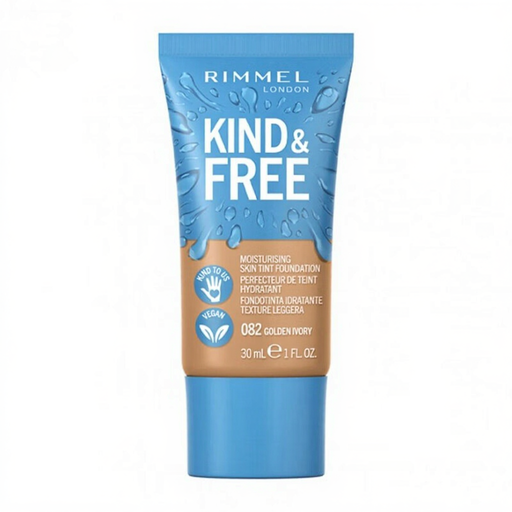
Why this fits the profile: The Cinnamon variant is designed for a darker skin tone and offers medium coverage with a glossy effect.
The colour and coverage are listed separately. This prevents you from buying a light skin tint when you actually want more evening out.
30 ml, liquid formula, medium coverage and Cinnamon as the colour variant.
We have put together a full, up-to-date list of products that fully meet these strict selection criteria and comply with current European safety regulations.
A BB cream is usually focused on light coverage, hydration and a simple morning routine. A CC cream can be interesting if you mainly want to even out your complexion. Always check the ingredients and avoid products where a brand claim about pigment spots or redness is presented as a guaranteed result.
A tinted foundation typically offers more colour intensity and buildable coverage. Products like Clinique Even Better Clinical Serum Foundation SPF20 are available in several shades, including CN10 Alabaster, CN70 Vanilla and WN114 Golden. The product description mentions medium to full coverage and an oil-free formula. According to the manufacturer, the formula contains hyaluronic acid, salicylic acid, vitamin C and UP302; these are product features, not a guarantee of a specific skin result.
Not always. The protection depends on the SPF level, the amount you apply, even application and reapplication. For short daily trips outdoors, SPF in a tinted moisturiser can be practical. In strong sun or during prolonged exposure, a separate sunscreen used according to the instructions is wiser.
Look for a hydrating formula with ingredients like glycerine or hyaluronic acid and check the ingredients list. For sensitive skin, fragrance-free options may be more comfortable, but “suitable for sensitive skin” is not a personal guarantee. Test a new product on a small area of skin first and stop if irritation occurs.
Follow the expiry date and the period-after-opening symbol on the packaging. Store the product in a cool, dry place away from direct sunlight. A change in smell, colour, texture or feel can be a reason to stop using the product.
