
Vandaag of morgen in huis

Kwaliteit gegarandeerd

Welkomstaanbiedingen ontgrendelen: GRATIS bezorging | Tot 80% korting | Gratis 30 dagen JoyPlus-proefperiode
Download de app
A fresh, even-toned complexion without a heavy layer of makeup. That's the promise of a tinted day cream with SPF. It's an all-in-one product: hydration, light coverage, and sun protection. Ideal for anyone looking to save time in the morning. But the shelves are packed with BB creams, CC creams, and skin tints. You're bombarded with marketing terms, and the wrong choice can lead to a shiny face, an unnatural colour, or insufficient protection.
As a Joybuy Product Recommendation Officer, I'm here to help you cut through the noise. We'll skip the marketing jargon and focus on what really matters. Here are the most common pitfalls and how to avoid them.
To avoid buyer's remorse, there are a few specifications you should always check. These are the factors that determine whether a product will work for you.
Sun protection is one of the main reasons to choose a tinted day cream with SPF. Pay attention to two things:
The term light-coverage foundation describes many of these products well. But the level of coverage and the finish (the end result on your skin) vary greatly.
A tinted day cream is more than just makeup; it's also skincare. Look for ingredients that suit your skin.
Below are some recommendations, linked to specific needs and skin types. These aren't "winners," but products with specifications that are a great match for a particular user.
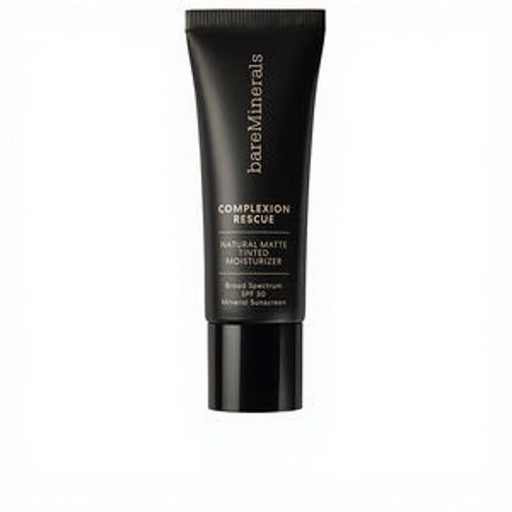
Why This Fits Their Persona: This user seeks a product that won't irritate the skin while providing protection. The focus is on clean, effective formulas for sensitive, oily, or blemish-prone skin.
The formula is oil-free with a natural, matte finish, which prevents a shiny complexion. The mineral SPF 30 offers reliable protection without irritating the skin.
Hypoallergenic, non-comedogenic, and free of parabens and fragrance. Contains squalane and hyaluronic acid for hydration without making the skin greasy.
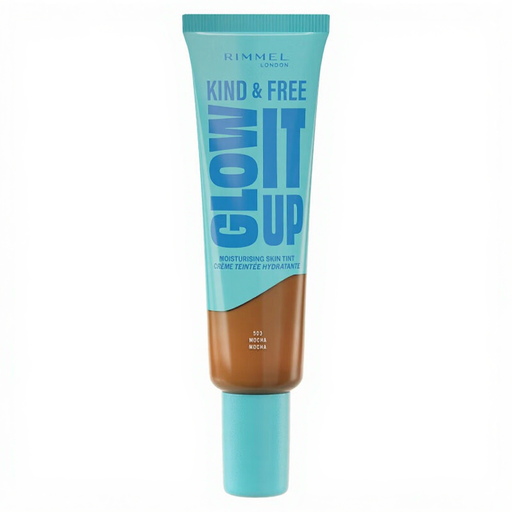
Why This Fits Their Persona: This person doesn't want to feel like they're wearing makeup, but wants a 'my skin, but better' effect. Simplicity and a fresh, healthy look are top priorities. A light, hydrating formula is essential.
This is a 'skin tint,' not a full-coverage foundation. It resolves the BB/CC confusion by focusing on the core benefits: hydration and a hint of colour for an even, radiant finish.
The formula is enriched with vitamin E, pro-vitamin B5, and aloe vera for a hydrating effect. The ingredient list includes zinc oxide, a mineral UV filter.
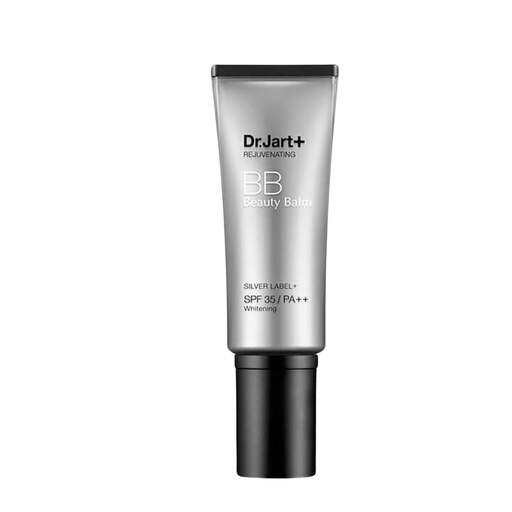
Why This Fits Their Persona: This user has little time in the morning and needs a reliable, multi-functional product that hydrates, corrects, and protects. It needs to last all day.
With SPF 35, this BB cream offers serious protection that avoids the SPF 15 trap. The formula is designed to keep the complexion bright for a long time, without oxidising.
A true all-rounder: it functions as a moisturizer, sunscreen, and treatment serum in one. The buildable formula effectively conceals imperfections.
We have compiled a complete, up-to-date list of products that fully meet these strict selection criteria and local regulations.
That depends on the situation. For an average day with mostly indoor activities and brief moments outside, a product with SPF 30 is usually sufficient, provided you apply it generously (about a quarter teaspoon for your face). If you apply less, the protection factor decreases significantly. If you're spending a long day in the sun, like at the beach or on a patio, a separate, dedicated tinted or untinted sunscreen for the face, reapplied every two hours, is a better choice.
Choosing the right shade online can be tricky. A few tips:
Although the lines are blurry, this is the traditional breakdown:
However, don't be too swayed by the name. Always check the product description for the promised coverage, finish, and ingredients to see if it matches what you're looking for.
