
Vandaag of morgen in huis

Kwaliteit gegarandeerd

Welkomstaanbiedingen ontgrendelen: GRATIS bezorging | Tot 80% korting | Gratis 30 dagen JoyPlus-proefperiode
Download de app
A tinted day cream with SPF 30 seems like a simple combination of skincare, colour and sun protection. Yet many people end up buying a product that turns out too dark, becomes shiny or doesn’t offer the coverage they expected. Terms like tinted moisturiser, skin tint and CC cream with SPF in particular aren’t always used in the same way.
The product description, ingredients list and usage instructions therefore give you more to go on than marketing claims. Below, you’ll find out which features you need to check and which options suit different skin types and situations.
A product with SPF 30 can help with daily protection against UV radiation, but the result depends on how much you apply. A thin layer of tinted moisturiser for a natural finish may in practice contain less product than is needed for the SPF test.
Apply the cream evenly to your face and don’t forget your neck. For prolonged sun exposure, sweating or swimming, reapplication is necessary. A hat, sunglasses and a separate facial sunscreen remain practical additions.
Micro-encapsulated pigments or a universal tint can optically blend with your skin, but that doesn’t mean every colour is suitable. Always check the shade name, such as Light, Medium, Dune, Opal or Buttercream. Test the colour in daylight along your jawline and let the product settle for a few minutes.
A shade that’s too light can give a dull appearance. A shade that’s too dark is especially noticeable along the hairline and jaw. If you’re torn between two shades, it’s better to focus on the undertone: cool, neutral or warm.
A skin tint or tinted moisturiser generally evens out your natural complexion, but it won’t fully camouflage obvious discolouration. A hydrating foundation with medium coverage is more suitable if you want to cover redness or unevenness more heavily.
Also check whether the finish is matte, natural, dewy or radiant. A product with a dewy finish can be pleasant for dry skin, but less suitable for oily or acne-prone skin.
Don’t just look at the SPF 30 number; also check the information about the type of filters. A product may use mineral filters, organic filters or a combination of both. In the product description of some variants, for example, mineral SPF 30 is mentioned; in others, UV filters such as titanium dioxide or modern organic filters appear in the ingredients list.
Also pay attention to the usage instructions. A tinted day cream with SPF 30 is intended for the face, but the protection is only comparable to the stated factor when enough product is used.
For a sensitive skin, fragrance-free formulas are often a practical choice. Check the full ingredients list, because “hypoallergenic” is no guarantee that a product is suitable for everyone. A patch test on a small area of skin can help you spot a possible reaction sooner.
For an oily skin, an oil-free formula, silica, clay or a matte finish may be of interest. An acne-prone skin may benefit from a product that is described as non-comedogenic in the product information, but that too is no guarantee for every individual skin.
For dry or combination skin, hydrating ingredients such as glycerine, hyaluronic acid or squalane are relevant indicators. However, they don’t tell you exactly how the product will feel on your skin; the finish and the amount of skincare underneath also play a part.
Look at the combination of:
A cream you use daily isn’t automatically better value just because the packaging is larger. The amount needed per application and the shelf life also determine how long it lasts.
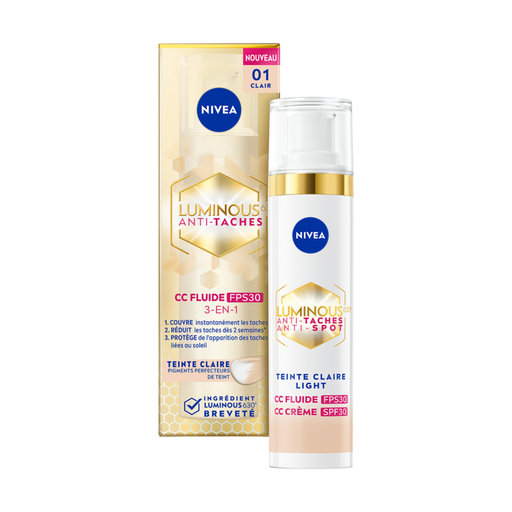
Why this fits the profile: This 40 ml CC fluid combines light colour correction with SPF 30 and, according to the product information, is suitable for all skin types. The Light shade is practical for a fair to light-neutral complexion.
The shade is clearly listed as Light. The product description mentions micro-encapsulated pigments and light, natural coverage; still check the colour on your jawline.
SPF 30, glycerine and sodium hyaluronate are listed in the product information. According to NIVEA, LUMINOUS630 can visibly reduce pigment spots; this is a brand claim, not a guaranteed result.
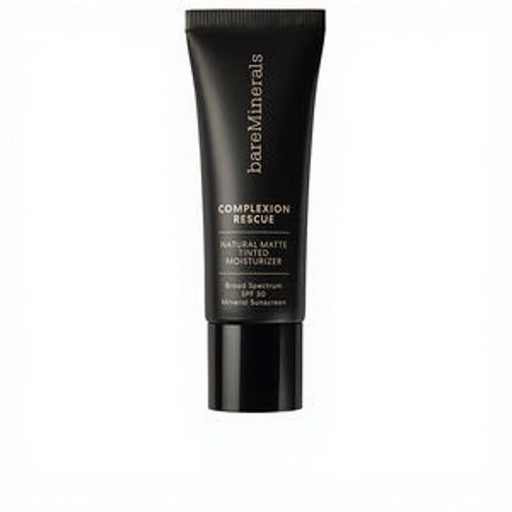
Why this fits the profile: The Dune shade and the matte, oil-free formula suit users who want an even, natural finish without the feel of a heavy foundation.
The product information mentions buildable coverage from sheer to light. So you don’t need to expect medium foundation coverage that the product doesn’t promise.
Mineral SPF 30, silica, kaolin and squalane are listed. According to the product description, the formula is intended for oily, sensitive and acne-prone skin.
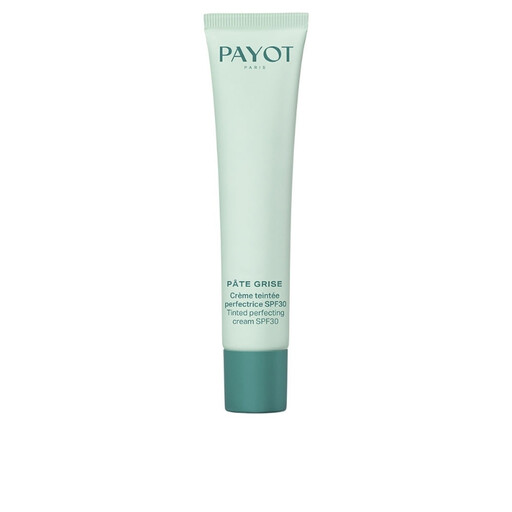
Why this fits the profile: According to the product information, the cream is aimed at combination, oily or blemish-prone skin and can be applied alone or after a daily skincare routine.
The product description mentions a matte, natural finish and targeted application on shiny or uneven skin. Don’t expect full foundation coverage, though.
40 ml content, SPF 30 and a formula containing, among other things, zinc oxide. According to Payot, the product helps the complexion appear more even and matte; this is a brand claim.
We’ve put together a full, up-to-date list of products that fully meet these strict selection criteria and comply with current European safety regulations.
If you use a separate sunscreen, apply it according to the instructions and let it sink in before using the tinted cream. If irritation occurs, stop using the product and rinse your skin gently.
Not always. SPF 30 offers protection when you apply enough product and reapply regularly. For prolonged exposure, exercise or swimming, additional facial sun protection is advisable.
Check the expiry date and the period-after-opening symbol on the packaging, often 12 months for example. Store the cream in a cool, dry place away from direct sunlight, and close the packaging after use.
You can, but first check the ingredients and product claims. Choose a formula that suits your skin type where possible, do a patch test and stop if irritation occurs. “Non-comedogenic”, “fragrance-free” or “hypoallergenic” are product descriptions, not a personal guarantee.
