
Vandaag of morgen in huis

Kwaliteit gegarandeerd

Welkomstaanbiedingen ontgrendelen: GRATIS bezorging | Tot 80% korting | Gratis 30 dagen JoyPlus-proefperiode
Download de app
Tinned vegetables are handy for quick meals, a well-stocked cupboard and recipes that do not require a trip to the supermarket every time. However, tinned vegetables, pulses and preserved vegetables can vary considerably in their ingredients, packaging and intended use. A low price, for example, says little about the amount of drained vegetables or the quantity of salt and sugar.
Use this practical buying guide to compare tinned vegetables based on the things that really matter at home: contents, ingredients, packaging and shelf life.
An 800-gram pack may appear attractively priced, but some of the weight consists of water or brine. Therefore, check the net weight and, for pulses or preserved vegetables, the drained weight. Smaller packs can be more convenient when you are cooking for one or want to avoid storing leftovers.
Always check the ingredients list. Some products contain vegetables, water and an acidity regulator. Other tinned vegetables may also contain sugar, oil, starch, herbs or flavour enhancers. That is not automatically a bad thing, but it does determine whether the product is suitable for your recipe.
Citric acid, for example, may be added as an acidity regulator to tinned tomatoes. Tinned beans may contain water, salt and sometimes sugar or sugar syrup. So do not compare products based solely on the brand or the front of the label.
An unopened tin or sealed jar can generally be stored until the date shown, provided you follow the storage instructions on the packaging. This does not mean you should use damaged packaging. Do not buy tins with bulging, leaks, deep rust or a broken seal.
Once opened, the contents should usually be transferred to a clean, covered container and stored in the fridge. Do not store opened products in the tin for a long period. Always follow the instructions on the label; the information on the packaging takes precedence.
For a fair price comparison, look at:
For a salad or a meal for one or two people, small packs such as 200-gram kidney beans are practical. For a family, a well-stocked cupboard or catering, a larger jar of pinto beans or a large pack of preserved peppers may make more sense.
Read the ingredients from top to bottom. The ingredient listed first is present in the largest quantity. Also pay attention to salt per 100 grams, added sugar and any oil.
For example:
Brands may make additional claims about flavour, quality or origin. Treat these as information provided by the brand and check the ingredients and nutrition table on the packaging.
An easy-open tin is useful for a quick meal, while a glass jar can be convenient when you want to see the contents. Also check the instructions for storing the product after opening. Some products need to be refrigerated and used within a few days.
For international preserved foods, it is also sensible to check:
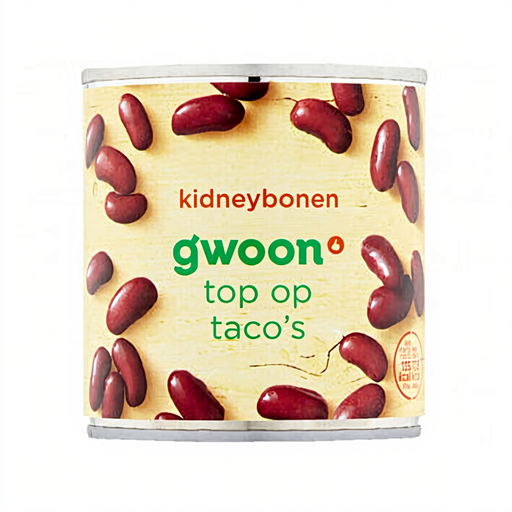
Why it suits this profile: The small pack is ideal for chilli, wraps or a salad, without requiring you to build up a large stock straight away.
The ingredients list states red kidney beans and water. The compact size reduces the chance of unused leftovers.
200 grams per pack; according to the product information, no added sugars per 100 grams and none of the 14 major EU allergens listed.
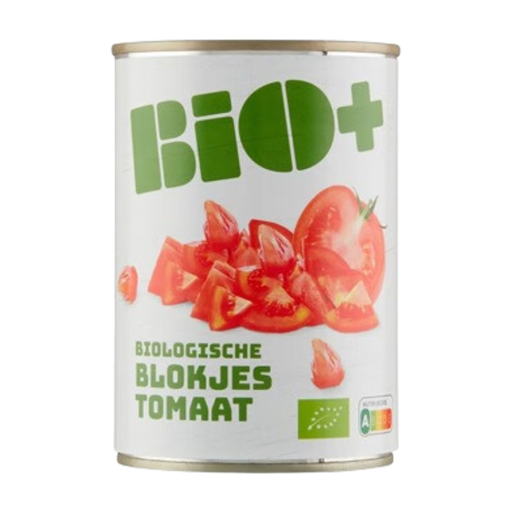
Why it suits this profile: If you are specifically looking for organic tomatoes and a short ingredients list, this product can be used as a base for sauces, soups and stews.
The product information states that the tomatoes are organically grown in accordance with EU standards and lists the composition separately.
400 grams; 29 kcal per 100 grams according to the stated table; suitable for pasta, soups and stews.
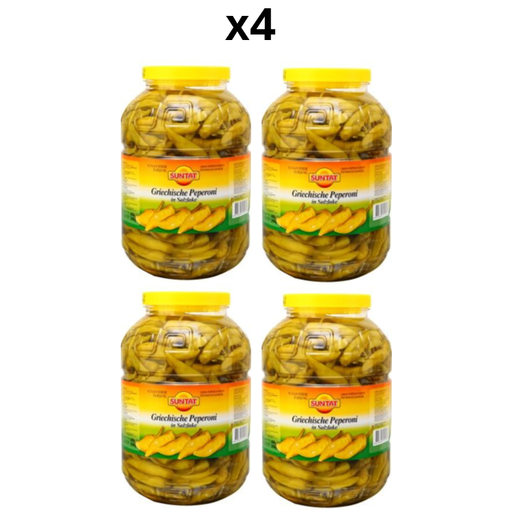
Why it suits this profile: The larger pack is aimed at frequent users, professional kitchens and fans of Mediterranean or international preserved foods.
The product information states both the gross weight and a drained weight of 3 kg. This helps you estimate the amount of usable peppers more accurately.
Four 5-litre packs; country of origin: Greece; according to the product information, refrigerate after opening and use within a few days.
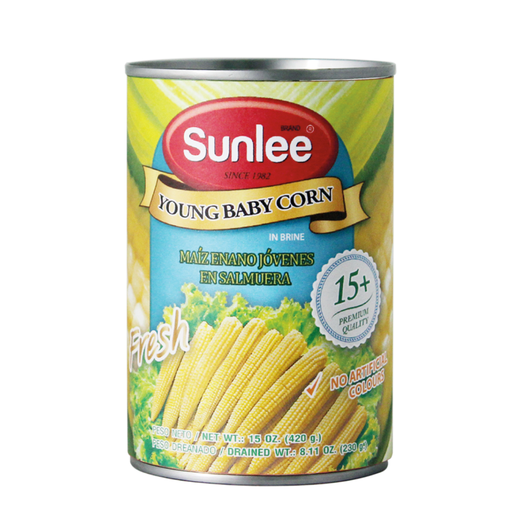
Why it suits this profile: Baby corn works well in stir-fries, Thai recipes and Asian soups, and can be used straight from the pack.
The product information lists the percentage of baby corn, water, salt and citric acid. Before use, check that the tin is not leaking, rusty or bulging.
420 grams; 56,10% baby corn according to the product information; 27 kcal per 100 grams according to the stated table.
We have put together a complete, up-to-date list of products that fully meet these strict selection criteria and the applicable European safety regulations.
Rinse tinned beans and chickpeas under cold water if you want to remove excess liquid or some of the salt. You can then add them straight to:
Tinned tomatoes are a practical base for pasta sauce, lasagne and pizza. Tinned sweetcorn works well in salads, wraps and Mexican dishes. Pickled peppers add extra acidity and heat to sandwiches, grilled meat and mezze. Add preserved vegetables at the end if you want to retain their crunch.
Unopened long-life vegetables can be stored for a long time when you follow the date and storage instructions. Store tins and jars in a cool, dry place away from direct sunlight. Do not use packaging that is bulging, leaking or badly damaged.
This depends on the product and your recipe. You can rinse beans and chickpeas to remove the preserving liquid. With tinned tomatoes, the liquid is usually part of the dish. Rinsing pickled peppers can reduce their sharp, salty flavour.
This varies by product, pack size and season. Compare the price per 100 grams or per drained weight, rather than just the price per tin. Also consider waste: a long-life pack that you use in full may work out cheaper than fresh vegetables that go unused.
