
If you mainly heat tinned beans
If you mainly want to prepare tinned beans, simply heat them according to the instructions on the packaging. The Voedingscentrum says that pulses from a tin only need reheating.


For tinned white beans, a saucepan is all you need: according to the Voedingscentrum, pulses from a tin only need reheating. A slow cooker is worth considering if you also make complete stews; in that case, make sure its usable capacity suits all the ingredients, and check the timer and keep-warm function on the exact model. The USDA advises against slowly reheating chilled leftovers in a slow cooker.
If you mainly want to prepare tinned beans, simply heat them according to the instructions on the packaging. The Voedingscentrum says that pulses from a tin only need reheating.
If you’re making a complete dish for guests, allow for the combined quantity of all the ingredients. Manufacturers sometimes state both a nominal capacity and a smaller usable capacity.
If you also make other stews, check which timer and keep-warm functions the specific model offers. Don’t slowly reheat chilled leftovers in a slow cooker.
Start with the cooking method: use a saucepan for tinned beans, choose a separate slow cooker for complete slow-cooked dishes, or consider a multicooker if you’d like other cooking options too. When cooking for guests, usable capacity and the difference between cooking and keeping food warm are important things to check.
| Consideration | What should you check? | Who is this important for? |
|---|---|---|
| Do you need a slow cooker? | Decide whether you’re only heating tinned beans or also making complete stews. | If I mainly serve tinned beans, I want to know whether a saucepan will do before buying another appliance. Around 36% of consumers mainly want to reheat food. |
| Room for the whole dish | Compare the quantity of all the ingredients with the usable capacity and filling instructions for the exact model. | When cooking for guests, I want enough room for the beans, sauce and other ingredients. Around 29% of consumers mainly consider portions for guests. |
| Cooking and serving time | Check whether the model has a cooking timer, a delayed start or a keep-warm function; these are different features. | If I want to plan a stew around a mealtime, I look at the timer and at keeping the food warm once it’s already hot. Around 21% of consumers prioritise cooking time. |
| Features and cleaning | Consider which cooking methods you’ll use, and check the cleaning instructions and inner pot. | After the celebration, I want the pot to be easy to clean and the appliance to be useful for other dishes too. Around 14% of consumers prioritise versatility and maintenance. |
Pulses from a tin are already cooked and, according to the Voedingscentrum, only need reheating. For this task alone, slow cooking adds an extra step.
Choose your cooking method first. Consider a slow cooker mainly if you also want to make complete slow-cooked dishes.
The range includes both dedicated slow cookers and multi-function models; these are different types of appliance.
The N28780-56 is a dedicated slow cooker with a manufacturer-stated capacity of 7 litres.
According to Tefal, the CY505EF0 combines slow cooking with pressure cooking.
The VS-3915 is a dedicated slow cooker for recipes that fit in a smaller pot.
This selection is for anyone who wants to make complete stews as well as heat tinned beans, or plan a meal. According to the Voedingscentrum, tinned beans themselves only need reheating.
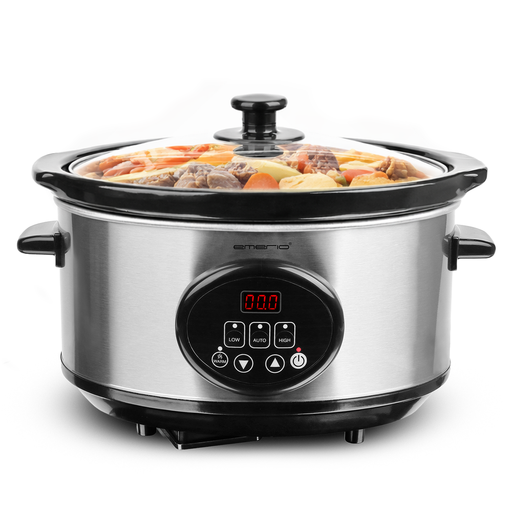 No image available
A dedicated slow cooker for a planned stew that fits within its stated capacity.
The product information lists a digital timer, three settings, a removable ceramic pot and a keep-warm function.
Don’t slowly reheat chilled leftovers in a slow cooker.
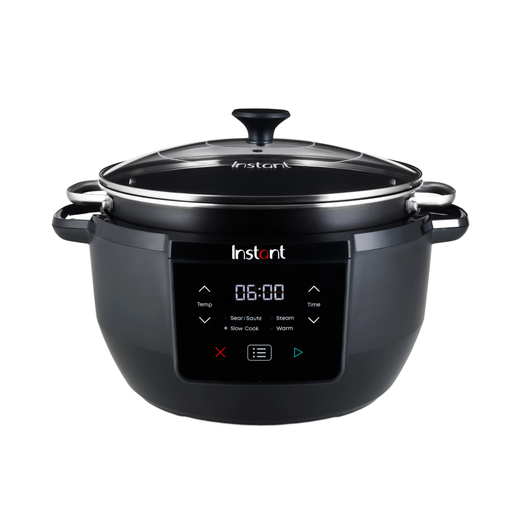 No image available
A multi-function model for anyone who wants to use other cooking methods as well as slow cooking.
The product name lists a 7.1-litre capacity and 4-in-1 functionality. According to the product information, the inner pot isn’t suitable for use on a hob or in an oven.
Don’t slowly reheat chilled leftovers in a slow cooker.
 No image available
A model for smaller quantities; check that its usable capacity suits your complete recipe.
The product information lists a usable capacity of 2.6 litres, three manual heat settings, and functions such as simmering and steaming.
Don’t slowly reheat chilled leftovers in a slow cooker.
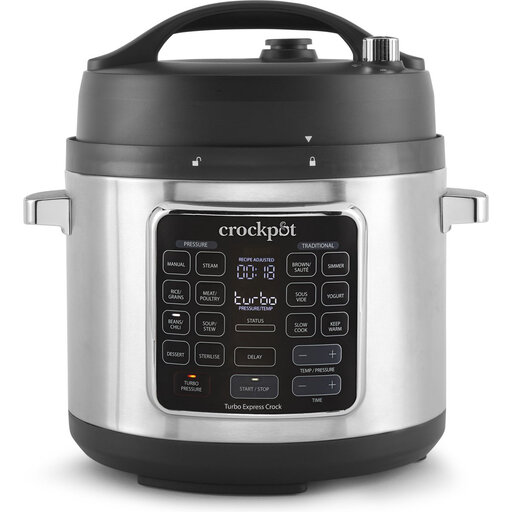 No image available
This is a multicooker with a slow-cooking function, rather than the same basic design as a dedicated slow cooker.
Crock-Pot describes the CSC062X as a 14-in-1 model. The product information lists a timer and a delayed start.
Don’t slowly reheat chilled leftovers in a slow cooker.
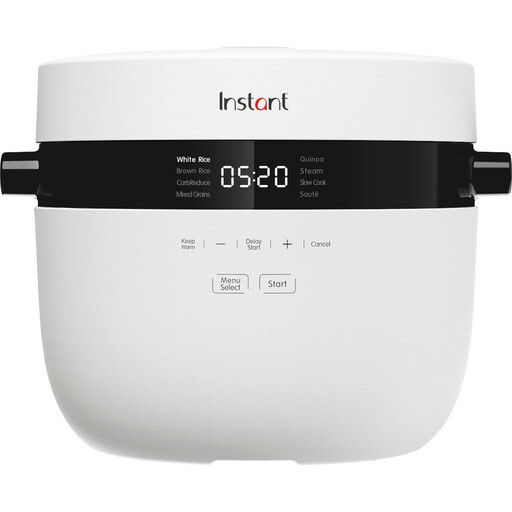 No image available
A multi-function cooker for anyone who wants to use a slow-cook programme as well as cook rice and grains.
The product information lists a 5-litre capacity, automatic time and temperature control, and a slow-cook programme.
Don’t slowly reheat chilled leftovers in a slow cooker.
No. According to the Voedingscentrum, pulses from a tin only need reheating. Follow the instructions on the packaging; other ingredients in a complete stew may need cooking in their own right.
Don’t slowly reheat chilled leftovers in a slow cooker. The US food safety agency, the USDA, advises against this and recommends reheating thoroughly using a suitable method, such as on the hob, in the microwave or in the oven. This is food safety advice from the USDA, not a Dutch legal requirement established here.
According to the Voedingscentrum, let leftovers cool within two hours and store them covered in the fridge for up to two days. Reheat them thoroughly until piping hot.
In the Netherlands, you’re entitled to a product that works properly, and the seller is your point of contact if it doesn’t. According to the Rijksoverheid, there’s no fixed statutory guarantee period. Many online purchases also come with a 14-day cooling-off period; terms and exceptions may apply.
Applicable EU requirements apply to electrical appliances. According to Ondernemersplein, the manufacturer must affix a CE mark to an appliance that meets the requirements. This general rule alone doesn’t establish whether a specific model meets all applicable requirements.