
Vandaag of morgen in huis

Kwaliteit gegarandeerd

Welkomstaanbiedingen ontgrendelen: GRATIS bezorging | Tot 80% korting | Gratis 30 dagen JoyPlus-proefperiode
Download de app
A stock of tinned vegetables and pulses is handy for busy weekdays, unexpected guests and meat-free meals. However, tinned vegetables and pulses vary considerably in size, ingredients, texture and salt content. A large tin isn’t automatically better value if you have to throw half of it away. And a product with an appealing front label may contain more additives than you expect.
The packaging often shows the total weight, including water or brine. So check the drained weight too, if it’s listed. This tells you how much you’ll actually use in a salad, soup or stew.
A small tin may be enough for one meal or person. For a family, sizes of around 380 to 800 grams are more practical, as long as you use all of the contents.
Some products contain only vegetables or pulses and water. Others include salt, sugar, acidity regulators, thickeners or flavourings. That’s not necessarily a bad thing, but it can affect the taste and how you use the product.
If you prefer to season food yourself, look for a short ingredients list. For a ready-made side dish, a variety in tomato sauce or with chilli can save time.
Petits pois work well in mash, soup and as a classic side dish. Firm kidney beans or black beans hold their shape better in wraps, chilli and salads. Lentils are suited to salads and hot dishes, while white beans often become soft and creamy in pasta or soup.
Also check the condition of the packaging. Don’t use a tin or jar that is swollen, leaking or damaged, or that smells unusual when opened.
Compare the ingredients list and nutritional values per 100 grams. Pay particular attention to:
Nutritional values can vary by recipe and packaging. Always use the current label as your guide.
For one person, packs of around 150 to 400 grams are often a manageable size. A product such as Bonduelle Beluga Lentils at 150 grams is intended as a small portion for a salad or meal. Larger packs, such as 680 or 800 grams, are more useful for families, meal prepping or making several dishes.
After opening, store the contents according to the label and use them within the stated period. Don’t store opened products in the opened tin; transfer them to a sealed container.
Choose ready-to-use vegetables to suit your cooking routine. A product containing only vegetables and water leaves you free to season it yourself. A mixed bean variety can save time when making wraps, salads or a quick meal.
Also look out for terms such as “fine”, “broken” or “whole”. Tinned peas and fine green beans mix easily into mash or soup. Whole green beans retain a more recognisable shape when served as a side dish.
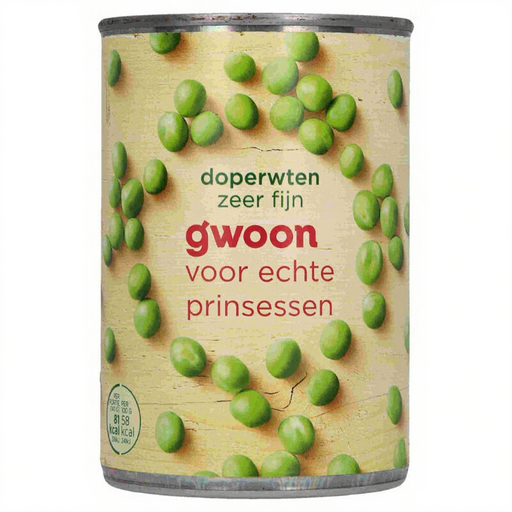
Why it suits this profile: A manageable size for starting a store cupboard of long-life vegetables. The fine peas work well in mash, soup, pasta or as a simple side dish.
The ingredients list includes peas and water. That makes it clear what you’re buying and lets you decide how much seasoning and salt to add.
400 grams; according to the product information, 5.5 grams of fibre and 4.8 grams of protein per 100 grams.
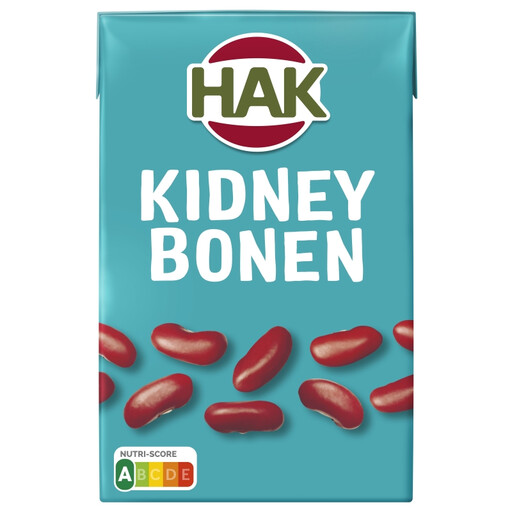
Why it suits this profile: A good choice if you’re looking for a firm bean for wraps, chilli, curries and meal-sized salads.
It’s versatile, and the size is suitable for several portions. Before buying, check the current label and drained weight.
According to the product information, 9 grams of protein and 6.6 grams of fibre per 100 grams; contains water, salt and additional ingredients.
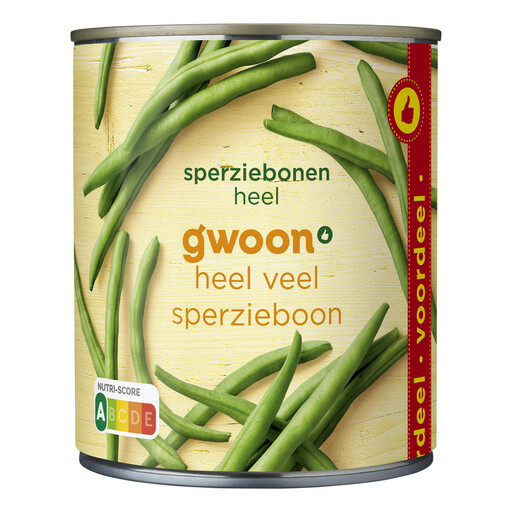
Why it suits this profile: A large pack for families, well-stocked cupboards and households that regularly use tinned green beans.
The whole beans are easy to recognise on the plate. Choose this size only if you need several portions.
800 grams; ingredients according to the product information: green beans, water and citric acid.
We’ve put together a complete, up-to-date list of products that meet these strict selection criteria and current European safety regulations.
Use tinned beans to make a filling for wraps or a salad in just a few minutes. Kidney beans go well with sweetcorn, tomatoes and rice. White beans work well in pasta, soup and Mediterranean-style dishes. Lentils are ideal for a warm salad or stew. Chickpeas can be added to curry, couscous or a platter of raw vegetables.
If you like, rinse beans and lentils under cold water. This removes some of the liquid and gives them a milder flavour. Peas and green beans can usually be heated straight away or mixed into a dish.
Unopened vegetables in tins or jars can generally be stored in a cool, dry, dark cupboard. Always check the date and packaging. The exact shelf life is shown on the product label.
It isn’t essential. Rinsing can be useful if you don’t want to use the brine or liquid in your dish. For soups and stews, you can include some of the liquid to help thicken the dish.
Kidney beans, white beans, lentils, chickpeas and black beans are practical choices. Combine them with grains and vegetables, then add flavour with ingredients such as tomatoes, herbs or tahini. If you have an allergy, always check the current ingredients and allergen information on the packaging.
