
Vandaag of morgen in huis

Kwaliteit gegarandeerd

Welkomstaanbiedingen ontgrendelen: GRATIS bezorging | Tot 80% korting | Gratis 30 dagen JoyPlus-proefperiode
Download de app
Tinned vegetables are handy for quick meals, a well-stocked cupboard and dishes for which you do not always have fresh ingredients at home. Think tinned sweetcorn for salads, tinned bamboo shoots for a stir-fry or chickpeas for hummus and curry.
However, tinned vegetables vary considerably in composition, pack size and ease of use. If you only look at the front of the tin, you could end up with lots of liquid, awkward packaging or a product that does not suit the recipe you had planned. The following points will help you compare ready-to-use vegetables in a practical way.
The weight shown on the packaging is often the total weight, including water or sauce. For a stir-fry, what matters most is how much vegetable remains after draining. As a result, two tins of roughly the same size may contain different amounts of usable product.
Therefore, check:
With products such as bamboo shoots, water chestnuts and baby corn, draining also affects how crisp the final result remains.
“Tinned sweetcorn”, for example, could mean whole corn on the cob, loose kernels, crispy corn or creamed corn. These products are not interchangeable. Whole cobs work well at a barbecue or as a side dish, while creamed corn is better suited to soup, bakes or a creamy sauce.
So read the product description and ingredients list. Check whether you are looking for:
Terms such as “authentic”, “premium” or “healthy” do not automatically indicate whether a product suits your eating habits. A brand’s own research may highlight certain properties, but always check the official ingredients and nutritional information on the packaging before buying.
Pay particular attention to allergens. According to the product information, most of the products listed contain none of the 14 major EU allergens, but the information may vary from one item to another. B+ Chickpeas, for example, is stated to contain peanuts and nuts. If you have an allergy, always check the current label.
For everyday use, vegetables in water are often versatile: you can drain them and season them yourself. For a quick meal, a product in tomato sauce can save time, but you also get the sauce’s flavour and nutritional values.
A short ingredients list is easy to understand, but it is not automatically the right choice for every recipe. According to the product information, AROY-D Bamboo Shoot Slices consists of bamboo shoots and water. Sunlee Baby Corn contains young corn cobs, water, salt and citric acid. Creamed corn contains added ingredients including sugar, starch and salt.
A tin weighing 290 to 420 grams is practical for one dish or a small household. Larger packs, such as 800 grams of tinned green beans, can be useful for families or meal prepping. They are less suitable if you only need a small amount and will not use the remainder quickly.
After opening, you should generally:
Texture is more important than many shoppers expect. Bamboo shoots and water chestnuts add bite to vegetables used in stir-fries. Tinned mushrooms are useful in sauces, soups and stir-fries, but their texture differs from that of fresh mushrooms. Tinned chickpeas and beans are particularly convenient when you want to add fibre-rich pulses quickly to a salad, chilli or curry.
If necessary, rinse products packed in water or brine and drain them thoroughly. This reduces the flavour of the liquid and prevents a stir-fry from becoming watery.
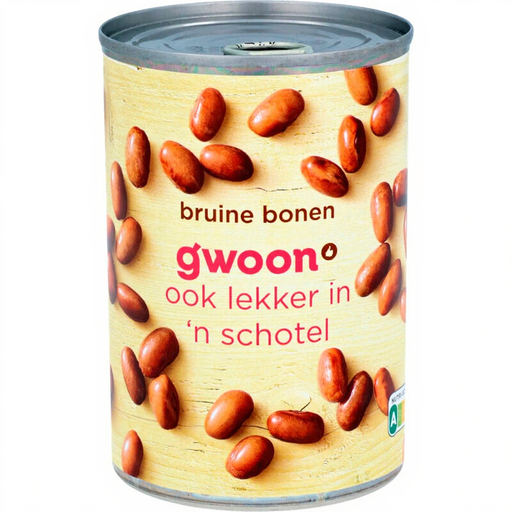
Why this suits the profile: A simple base for brown bean soup, salads and Dutch or international dishes. According to the product information, the pack contains 100% brown beans.
The ingredients list is short and clear. You are buying a standalone ingredient rather than a preparation with sauce that may not suit every recipe.
400 grams per tin; suitable for a range of dishes; according to the product information, free from the 14 major EU allergens.
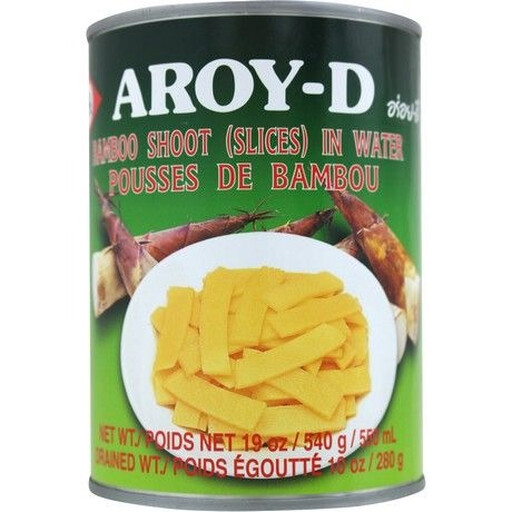
Why this suits the profile: For fans of Asian tinned vegetables who want to add sliced bamboo shoots straight to curry, soup, salad or a stir-fry.
The shoots are already sliced and the ingredients list states bamboo shoots and water. This makes the product’s use clear and means little preparation is needed.
540 grams; sliced format; according to the product information, 15 kcal per 100 grams and none of the 14 major EU allergens.
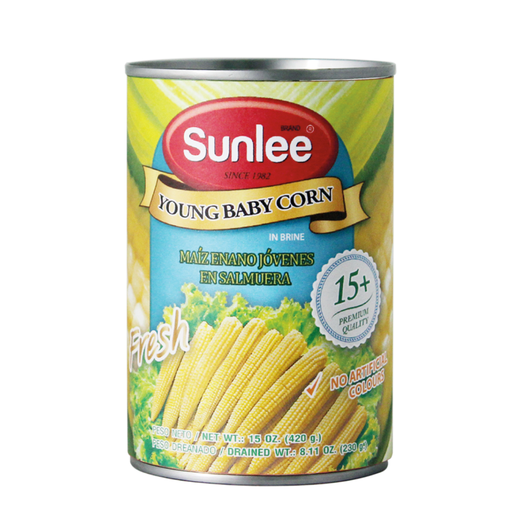
Why this suits the profile: For anyone who regularly uses vegetables in stir-fries, Thai curry or main-course salads and wants a recognisable, crunchy addition.
The packaging clearly states that these are young corn cobs. Before use, check that the tin is not leaking, bulging, badly damaged or rusty.
420 grams; ready to use; according to the product information, 27 kcal per 100 grams.
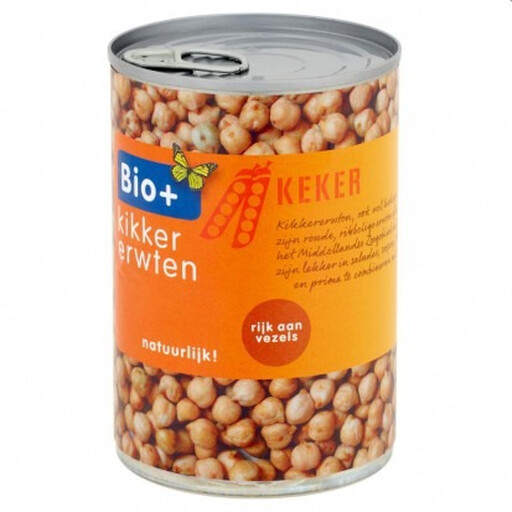
Why this suits the profile: A convenient base for hummus, curry, stews and meat-free main-course salads. Also suitable for anyone who likes to cook ahead.
The product description lists chickpeas and water as the base ingredients. However, check the allergen information: peanuts and nuts are listed for this item.
400 grams; organic origin according to the product information; suitable for a range of vegetarian and vegan recipes.
We have put together a complete, up-to-date list of products that fully meet these strict selection criteria and the applicable European safety regulations.
Unopened tins can generally be stored for a long time, but the exact shelf life is shown on the packaging. Store them in a cool, dry place away from direct sunlight. Do not use a tin that is leaking, bulging, badly dented, rusty or otherwise damaged.
It depends on the dish and the product. Rinsing can reduce excess liquid, salt or the flavour of the preserving liquid. With a stir-fry, thorough draining is important so that the pan stays hot and the vegetables do not boil in extra liquid.
This varies by product, pack size and waste. Tinned vegetables have the advantage that you can take only the amount you need from the cupboard and do not have to chop anything. Compare the price per usable weight and check the drained weight, not just the price of the tin.
