
Vandaag of morgen in huis

Kwaliteit gegarandeerd

Welkomstaanbiedingen ontgrendelen: GRATIS bezorging | Tot 80% korting | Gratis 30 dagen JoyPlus-proefperiode
Download de app
Tinned fruit is a handy staple for families, desserts, smoothies and store cupboards. There’s no peeling involved, the fruit keeps for ages, and varieties like lychees, mango and pineapple are available all year round. Yet tins can look more alike than they actually are. The difference often lies in the liquid, the drained weight and how you plan to use the fruit.
As Joybuy’s Product Recommendation Officer, I filter the key information from product descriptions so you don’t have to rely on flashy packaging or generic marketing copy.
A 565 g tin doesn’t always contain 565 g of fruit. Part of it is water or syrup. So, when this information is available, always check the drained weight. It gives you a fairer idea of how much fruit you’ll actually end up with.
For example, a 565 g tin of lychees might contain around 230 g of drained fruit. For a fruit salad or dessert, two smaller tins can sometimes be more practical than one large one, depending on the portion sizes you need.
The terms fruit in syrup and fruit in juice don’t mean the same thing. Syrup usually contains water and sugar. Fruit in juice is packed in fruit juice, such as pineapple juice or a blend with pear juice. Always check the ingredients list and the nutritional information per 100 g.
A product description might use words like “light”, “naturally sweet” or “refreshing”. That doesn’t automatically tell you how much sugar has been added. The ingredients list and nutrition table are the reliable sources of information.
Soft fruit is great for yoghurt, porridge or a sauce, but it may be less suitable for decoration or hot dishes. Peach halves, for instance, hold their shape differently to small pieces. Pineapple chunks are handy in cocktails and stir-fries, while lychees and rambutan work well in Asian desserts and fruit drinks.
Also, check that the tin is undamaged. A bulging, leaking or heavily dented container is best avoided.
Choose lychees in syrup, mango in syrup, mandarins in syrup or rambutan in syrup when you want a sweet base for a dessert or cocktail. If you’d rather control the sweetness yourself, fruit in juice can be a more practical starting point.
For example:
Bear in mind: a brand claim like “no added sugars” should always be checked against the ingredients list. In this article, we present such information as product information from the brand, not as a general nutritional conclusion.
For a cake, fruit salad or buffet, it’s the amount of fruit after draining that counts. A 425 g tin might, for example, contain around 245 g of mango. Some products list this as drained weight.
The cut is also important:
Always check the actual packaging before buying, especially with Asian fruit and products from different origins. Many of the products mentioned don’t list any of the 14 major EU allergens, but product information can change.
Store an unopened tin in a cool, dry place away from direct sunlight. Once opened, the fruit should be refrigerated according to the product instructions. Store leftovers in a clean, non-metair sealed container, not in the opened tin. Always follow the instructions on the packaging.
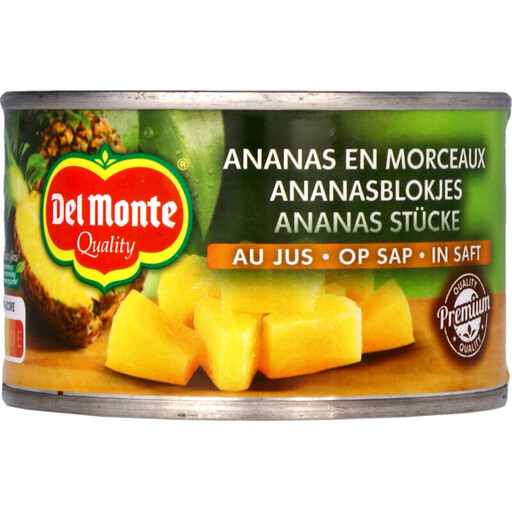
Why this fits: A small size for a household that wants pineapple for cocktails, smoothies, desserts or an exotic fruit salad.
The ingredients list states pineapple and pineapple juice. The small tin reduces the chance of leftovers.
230 g net weight; 63 kcal and 12 g sugar per 100 g according to the product information.

Why this fits: For anyone looking for tinned tropical fruit with a less everyday fruit variety for desserts, fruit cocktails and smoothies.
The product information lists water, rambutan, sugar and citric acid; so you can clearly see it’s in syrup.
565 g tin, origin Thailand according to the product data, and ready to use.
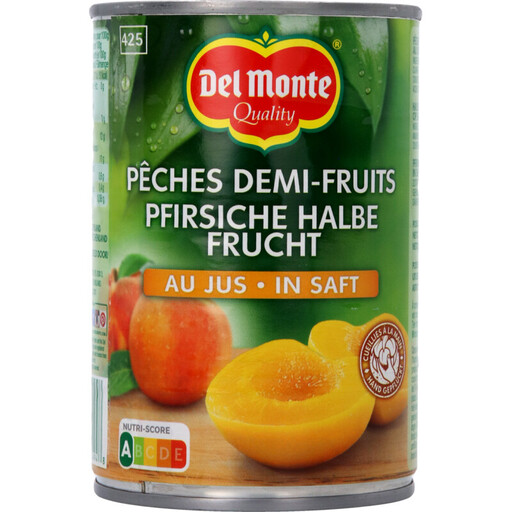
Why this fits: Peach halves are practical for cakes, yoghurt, ice cream and fruit desserts where the shape needs to stay visible.
You’re deliberately choosing halves rather than random pieces. The liquid is fruit juice, not syrup.
415 g contents; peaches, concentrated pear juice and citric acid according to the label.
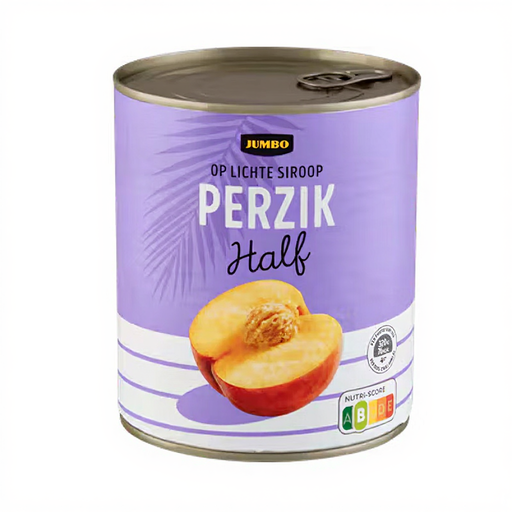
Why this fits: A larger pack for multiple desserts, yoghurt bowls, baking recipes or a family that uses tinned fruit regularly.
The product description mentions a light syrup of 14–17 Brix; compare this with products in juice before you buy.
820 g contents and peach halves; suitable for larger portions and different recipes.
Browse a current selection of sweet tropical fruit and compare fruit type, packaging, ingredients and uses.
For a floral flavour, lychees in syrup are a good option, for example Royal Orient Lychees in Syrup 567 g, Aroy-D Lychees in Syrup 565 g or Golden Lion Lychees in Syrup 565 g. When comparing, check the fruit percentage, drained weight and nutritional information; these details can vary from product to product.
For mango, you could look at Aroy-D Mango Slices in Syrup 425 g or Fairtrade Mango Slices in Light Syrup 425 g. The Fairtrade version states a drained weight of 245 g. For smaller portions, mandarins in syrup, such as g’woon Tangerines in Syrup 312 g, are practical. If you’re after fruit for a cocktail or cheesecake, you might also consider cherries in syrup.
You can’t tell just from the name. Check the ingredients and the nutritional information per 100 g. Fruit in juice usually doesn’t list added sugar as a separate ingredient, whereas syrup typically contains water and sugar. The exact composition varies from product to product.
Follow the instructions on the packaging. Generally, store opened fruit in the fridge in a sealed, non-metair container and use it within a few days. Always smell and check that the product looks normal. Don’t use a tin that is damaged, leaking or has a bulging lid.
Mango, pineapple, peach and lychee are practical choices. First drain off some of the syrup or juice, then add yoghurt, milk or water to taste. For a less sweet smoothie, start with pineapple or peach in juice and adjust the liquid yourself.
