
Vandaag of morgen in huis

Kwaliteit gegarandeerd

Welkomstaanbiedingen ontgrendelen: GRATIS bezorging | Tot 80% korting | Gratis 30 dagen JoyPlus-proefperiode
Download de app
Tinned tomatoes are a handy staple for pasta sauce, pizza, soup and stews. They have a long shelf life, are quick to use and are often more affordable than fresh tomatoes out of season. However, tinned tomato products vary widely in texture, ingredients, acidity and intended use.
If you only look at the brand or an attractive label, you could end up buying a product that doesn't suit your recipe. A smooth passata, for example, behaves very differently from whole peeled tomatoes. And when it comes to organic tinned tomatoes, a certification mark tells you more about the growing method than about the texture you need in your sauce.
Terms like passata, tomato pulp and diced tomatoes are sometimes used interchangeably, even though the texture is clearly different:
Always check the label. Simple tomato products often list only tomatoes, tomato juice and possibly citric acid as an acidity regulator. Some varieties also contain salt, sugar, herbs or garlic.
That isn't necessarily a problem, but it does affect your recipe. Heinz Basil Tomato Chunks, for instance, contains basil, oregano, sugar and citric acid according to the product information. That can be handy when you want to cook quickly, but less suitable when you prefer to control the seasoning yourself.
A tin of around 390 or 400 grams doesn't always contain the same ratio of tomato to juice. With whole peeled tomatoes, part of the contents is tomato juice. With passata, the contents are entirely liquid and you can use virtually everything straight away.
So don't just compare the price per tin – also check:
For a rustic pasta sauce or stew, whole peeled tomatoes and diced tomatoes work well. They add more texture and can break down further during cooking. For pizza, soup or a smooth pasta sauce, passata or sieved tomatoes are more practical.
If you want to control the texture yourself, choose whole peeled tomatoes. They are more versatile than pre-seasoned or finely chopped varieties.
A short ingredients list makes it easier to build the flavour yourself. Pay particular attention to:
With B+ Peeled Tomatoes, the contents consist of 60% whole peeled tomatoes, 39.9% tomato juice and citric acid as an acidity regulator, according to the product description. B+ Organic Diced Tomatoes contains 65% tomatoes, tomato juice and citric acid, according to the label.
Organic tinned tomatoes should carry an appropriate European organic certification mark on the packaging. The product information for B+ Passata and B+ Organic Diced Tomatoes states that they are produced in line with EU standards for organic farming. Always check the current packaging and ingredients list when you buy.
If you're looking for Italian tomatoes, look out for the stated origin. Various Mutti products state that the tomatoes come from Italy, according to the product information. However, an origin claim doesn't automatically tell you which variety is best for your dish – texture and composition remain more important for the cooking result.
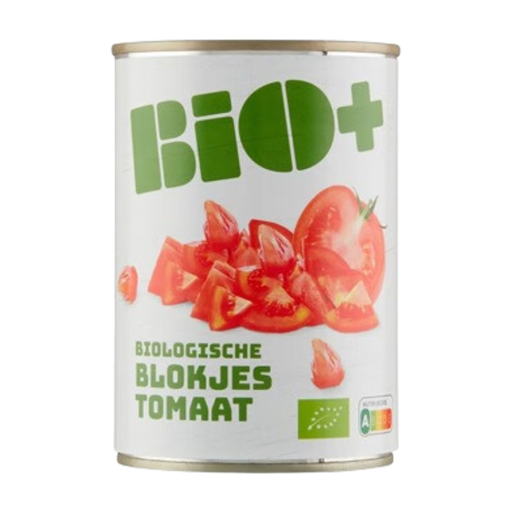
Why this fits the profile: A practical base for everyday pasta, soup and stews, with a net weight of 400 grams and a short ingredients list.
The pieces are already diced, so you won't buy passata when you actually want texture in your dish.
According to the product information, it is organically produced in line with EU standards and contains 65% tomatoes, tomato juice and citric acid.
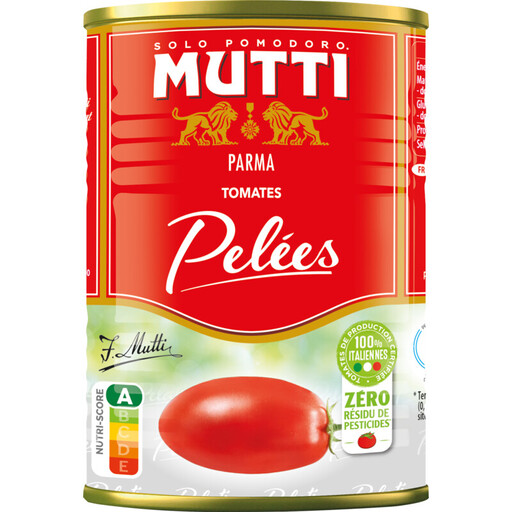
Why this fits the profile: Ideal for home cooks who want to use whole Italian tomatoes in slow-cooked sauces, oven dishes and stews.
The product type is clear: peeled tomatoes in tomato juice, not a smooth passata or a pre-seasoned sauce.
According to the product information, it contains 100% Italian tomatoes and no artificial additives; the stated proportion of peeled tomatoes is 70%.
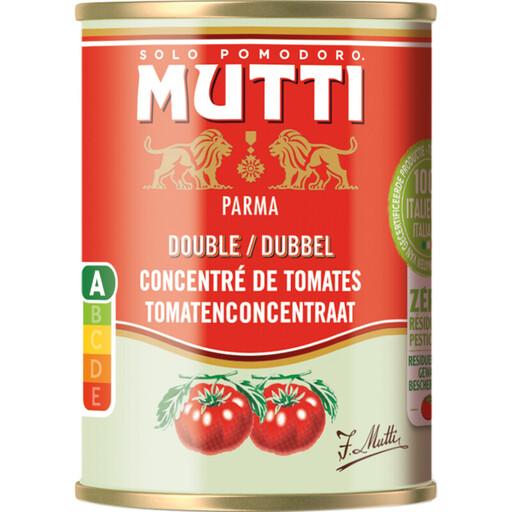
Why this fits the profile: Handy for those who cook often and need a concentrated tomato base for sauces, soups and quick meals.
You use small amounts instead of opening a large tin when you only need extra tomato flavour.
According to the product information, it is made from 99.5% tomato and salt and is a concentrated product in a 140-gram pack.
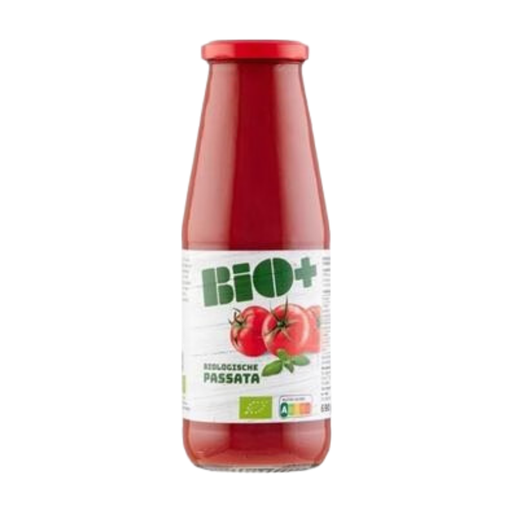
Why this fits the profile: A generous pack for multiple portions of pasta sauce, soup or pizza without having to purée tomatoes first.
The product form is smooth and clearly described as passata, so you won't get chunks or skins in a smooth dish.
According to the label, the product consists of 100% pressed tomatoes, has a net weight of 690 grams and, according to the product information, contains none of the 14 major EU allergens.
We've put together a full, up-to-date list of products that fully meet these strict selection criteria and comply with current European safety regulations.
Store unopened tins in a cool, dry place, out of direct sunlight and away from heat and moisture. Check the tin before use. Do not use any packaging that is bulging, leaking, heavily damaged or badly rusted.
Do not store opened tomatoes in the tin for long. Transfer any leftovers to a clean, sealed plastic or glass container and follow the information on the packaging. The shelf life after opening varies by product, so always check the label.
Yes. Choose whole peeled tomatoes or diced tomatoes when you want a sauce with pieces. For a smooth pasta sauce, passata or sieved tomatoes are easier. Tomato purée is mainly used as a concentrated addition, not as a complete sauce base.
Passata is smoothly pressed or sieved. Diced tomatoes retain visible pieces of tomato and give more texture. For pizza, soup and smooth sauces, passata is practical; for chilli, curry and rustic pasta sauces, diced tomatoes often work better.
Unopened tinned tomato products can generally be stored until the date on the packaging, provided they are kept dry and cool. The exact shelf life is stated on the product by the manufacturer. Once opened, the shelf life decreases significantly: store leftovers in the fridge in a sealed container and check the packaging for specific instructions.
