
Vandaag of morgen in huis

Kwaliteit gegarandeerd

Welkomstaanbiedingen ontgrendelen: GRATIS bezorging | Tot 80% korting | Gratis 30 dagen JoyPlus-proefperiode
Download de app
Tinned tomatoes are a handy staple for pasta, pizza, soup and stews. But not every tin is the same. The texture, amount of juice, ingredients and contents all play a part in how well the product suits your dish. If you only look at the brand or packaging, you could end up paying more for a product that isn't right for what you're cooking.
Terms like "sun-ripened", "Italian" or "rich flavour" sound appealing, but they don't always tell you how much tomato the product actually contains. So always check the ingredients list and the percentage of tomato. Some products contain tomatoes and tomato juice, while others have added salt, sugar, herbs or acidity regulators.
According to Mutti's product description, the tomatoes for their Finely Chopped Tomatoes are processed within 24 hours of harvest. That's a brand claim, not a guarantee of a particular taste in every dish. The key is to check whether the texture and ingredients suit your recipe.
Peeled tomatoes are whole or roughly textured and usually need to be broken down. Diced tomatoes are ready to use for a sauce with visible chunks. Chopped tomatoes are finely cut tomatoes with tomato juice and work well for dishes that cook for longer. Passata is smoother and more uniform, ideal for a quick pasta sauce or pizza base.
Swapping a smooth passata for diced tomatoes can mean extra cooking time and effort. On the other hand, passata may not give enough texture to a stew.
Don't use a tin that is bulging, leaking, heavily dented or badly rusted. Also check the smell, colour and texture after opening. Don't store leftovers in the open tin; transfer them to a clean, sealed, non-metallic container. Always follow the best-before information on the packaging.
Choose the form based on your dish:
Note the difference between tinned tomatoes and tomatoes in oil. With oil-based varieties, a significant part of the weight is oil, and herbs, capers, garlic, vinegar or sulphites may also have been added.
Compare the tomato percentage, the amount of salt and any added sugar. A short ingredients list makes it easier to choose the right product for your needs. Mutti Finely Chopped Tomatoes contains 99.8% tomato and salt, according to the product information. B+ Organic Diced Tomatoes consists of 65% tomatoes, tomato juice and citric acid, as stated on the label.
These percentages aren't directly comparable without looking at the full product specification. So also check the nutritional values per 100g, especially if you're using several tins.
The standard contents are around 390 to 400 grams, but passata is also available in 520g packs. For one pasta sauce, a 400g tin is often practical. If you're cooking for several people or making a large pot of soup, it's better to compare the price per kilo and the total contents.
With organic tinned tomatoes, it's important to check the EU organic logo and the product information. "Organic" refers to the production method; it doesn't automatically tell you what texture or flavour to expect.
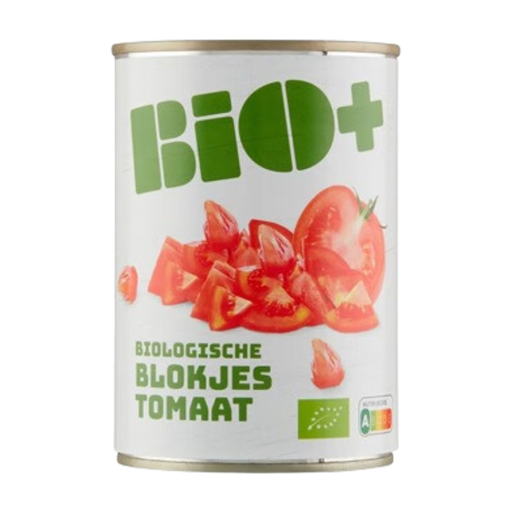
Why this suits the profile: The diced tomatoes are ready to use in simple pasta, soup and stew dishes. The 400g pack is a practical size for an average meal.
The product information lists tomatoes, tomato juice and citric acid, without the 14 main EU allergens. Check the current label for the full composition.
Organically grown and processed tomatoes according to the product description; 400 g diced tomatoes with 29 kcal per 100 g according to the stated nutritional information.
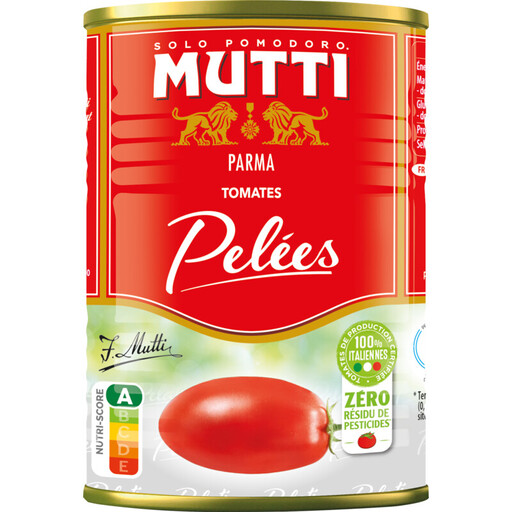
Why this suits the profile: These whole, peeled Italian tomatoes give you control over the final texture. You can crush them, chop them or leave them whole in a stew.
The product description states 100% Italian tomatoes, tomato juice and no artificial additives. The ingredients list is limited to tomatoes and tomato juice.
Peeled tomatoes for longer cooking; 400 g contents; according to the stated nutritional information, 22 kcal per 100 g.
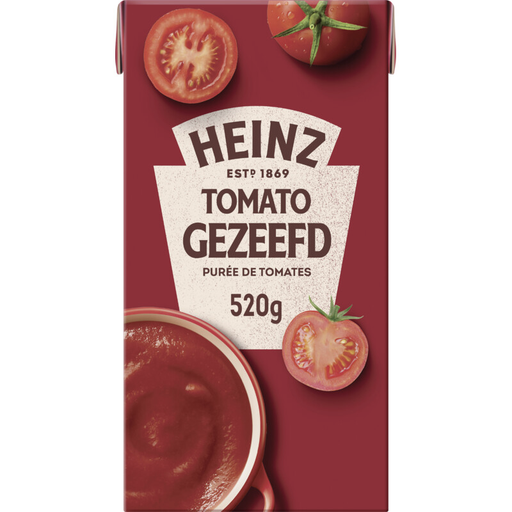
Why this suits the profile: The larger pack and smooth texture are handy if you regularly make pasta sauce, pizza, soup or multiple portions at once.
The sieved texture means you don't need to purée any chunks. According to the product information, tomatoes and salt are the listed ingredients.
520 g contents; smooth base for sauces and soups; according to the stated information, 36 kcal per 100 g.
We've put together a full, up-to-date list of products that fully meet these strict selection criteria and comply with current European safety regulations.
Yes. Diced tomatoes and chopped tomatoes give a sauce with more texture. Passata is more convenient when you want a smooth sauce. For a sauce that simmers for a long time, you can also use peeled tomatoes and break them up during cooking.
Chopped tomatoes are finely cut tomatoes with tomato juice. This means they retain more texture. Passata is smoother because the skins and seeds have largely been removed. Check the product name and ingredients on the label, as names can vary between brands.
Transfer any unused tomatoes straight into a clean, sealed, non-metallic container and keep them refrigerated. Use the product according to the instructions on the packaging and watch out for any changes in smell, colour or mould. Don't store opened tomatoes in the tin itself.
