
Vandaag of morgen in huis

Kwaliteit gegarandeerd

Welkomstaanbiedingen ontgrendelen: GRATIS bezorging | Tot 80% korting | Gratis 30 dagen JoyPlus-proefperiode
Download de app
A storecupboard stocked with tinned and frozen vegetables makes cooking so much easier. You’ll always have ingredients on hand for soup, rice, pasta, salads and stir-fries. But a flashy packet doesn’t always tell you everything you need to know. A jar of pickled vegetables can be surprisingly high in sugar, salt or sweeteners, while a frozen mix might contain added butter, herbs or allergens.
This practical buying guide helps you compare flavour, ingredients, packaging, shelf life and how to use them. That way, you can buy vegetables online with more confidence and avoid ending up with a product that sits unused at the back of the cupboard or freezer.
A 500g jar might look like good value, but pickled radish or sour mustard greens have a limited shelf life once opened. So don’t just check the net weight – also look at the drained weight information and the storage instructions for after opening.
The same goes for frozen vegetables. An 800g bag is handy if you cook with veg regularly, but less practical if you’re short on freezer space or only need small portions.
Terms like “premium”, “fresher than fresh” or “healthy choice” aren’t automatically comparative claims. Instead, look at the ingredients list, nutrition table, portion size and cooking instructions.
For example, the Bestore Wild Mountain Bamboo Shoots product description states 18 kcal and 3.1g of salt per 100g. The claim “20% less salt” comes from the brand’s own product information and isn’t a general comparison with all pickled bamboo shoots.
Pickled vegetables often contain vinegar, salt, sugar, acidity regulators or preservatives. Some products also list sulphites or mustard. This information matters if you have an allergy or want to avoid certain ingredients.
Frozen products aren’t always just vegetables either. The Iglo Vegetable Idea Farm Mix contains butter and therefore milk. Always check the current packaging, because recipes and labelling can change.
First, decide what you want to use the product for:
With pickled products, pay attention to the ratio of vegetable to marinade. The Green Dragon Sour Pickled Green Mustard is stated to be 85% mustard greens. The Obento Pickled Radish Strip is cut into strips and intended for rice bowls, salads and sushi, among other things.
Always compare products on the same basis – usually per 100g. Focus on:
DURU Pratik Nohut states 11.4g of fibre and 7.8g of protein per 100g. HAK Brown Beans is described as containing fibre and protein and can be used hot or cold. These are product specifications; the nutritional value of your whole meal depends on all the ingredients and the portion size.
Before you buy, check whether the product:
Frozen vegetables must stay frozen until you use them. Once thawed, store them in the fridge according to the label and do not refreeze. With tinned or glass-packed products, look out for a bulging, leaking or damaged lid. Do not heat HAK Brown Beans in the glass jar; transfer the contents to a suitable pan first.
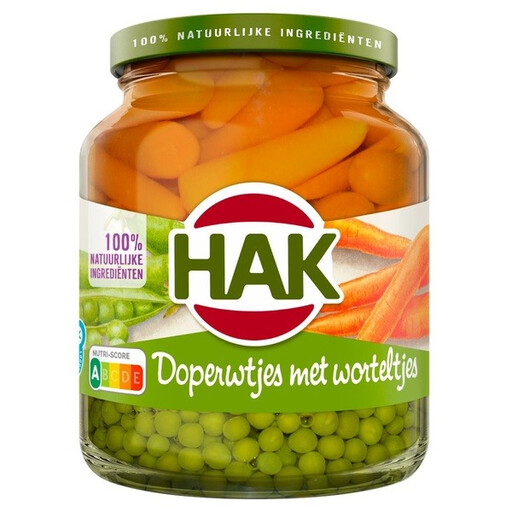
Why this fits the profile: The small portion is handy for one or two meals and needs very little preparation. You can gently heat the contents or add them to a hot dish.
The product information states a net weight of 195g and 0.31g of salt per 100g. This means you can better judge the portion size and nutritional value in advance.
Peas and carrots in one jar; ingredients list with carrots, peas, water and sea salt.
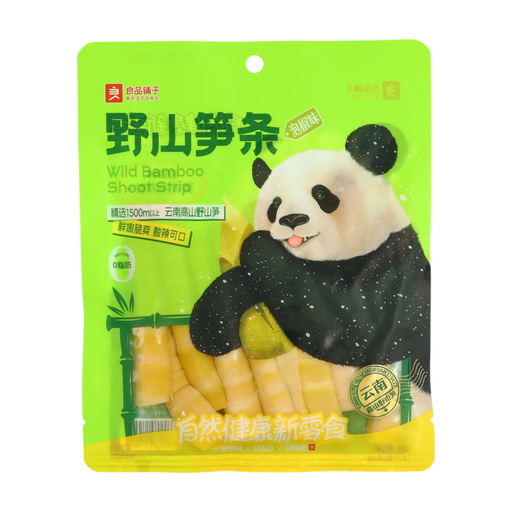
Why this fits the profile: The small pack is designed as a snack or flavour enhancer for rice and soup. The combination of bamboo shoots and pickled peppers suits those who enjoy a crunchy, spicy taste.
The product specification lists 90g, 18 kcal and 3.1g of salt per 100g. Sulphites, preservatives and sweetener are also mentioned, so you’re not relying solely on the flavour claim.
Crunchy bamboo shoots; ready to eat; can be stored outside the fridge as long as the pack is sealed.
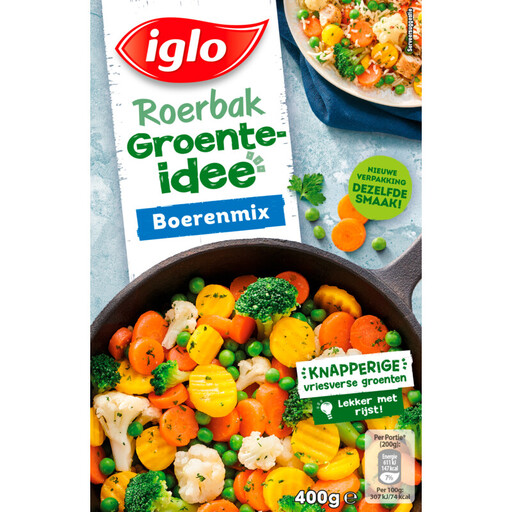
Why this fits the profile: This loose mix is ideal for quick stir-fries with rice, noodles or potatoes. According to the product information, the bag contains two portions of 200g.
The product information lists the vegetable composition and the milk ingredient butter. This makes it easier to assess the mix in terms of portion, flavour and allergens.
Individually frozen so easy to portion; a mix of carrot, cauliflower, broccoli and peas.
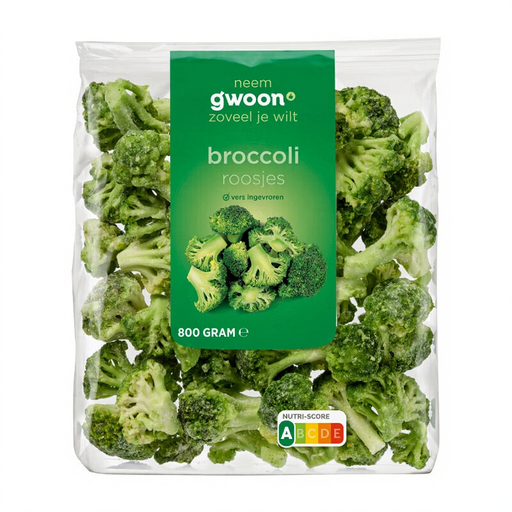
Why this fits the profile: The large bag is practical when broccoli features regularly in evening meals, oven bakes, stir-fries or soup.
The ingredients list states only broccoli. According to the product information, none of the 14 major EU allergens are listed.
800g of broccoli; per 100g the label states 27 kcal, 2.7g of fibre and 3.9g of protein.
We’ve put together a full, up-to-date list of products that fully meet these strict selection criteria and comply with current European safety regulations.
It depends on the brand, pack size, season and portion size. Frozen vegetables often have a longer shelf life and you only use what you need. So compare the price per kilogram and check whether butter, sauce or herbs have been added.
An unopened jar or bag is good until the date on the pack, provided you store it according to the instructions. Once opened, pickled vegetables usually need to be kept in the fridge and used promptly. The exact time varies by product, so always follow the label.
Usually not. Many vegetables can go straight into a pan, wok or soup. With a stir-fry mix, gentle heating first can help moisture evaporate. Follow the cooking instructions on the pack and heat the product through before serving.
