
A quick meal after class
You mainly want to heat a freshly opened tin of butter beans and work out whether you need another kitchen appliance to do it. The Netherlands Nutrition Centre says that tinned pulses only need heating through.


You don’t need a slow cooker for a freshly opened tin of butter beans: the Netherlands Nutrition Centre says that tinned pulses only need heating through. A slow cooker is worth considering if you also regularly make complete meals using slow cooking. Choose a capacity and features to suit your portions, and follow the instructions for the exact model. Reheat chilled leftovers thoroughly on the hob or in the microwave first: the Netherlands Nutrition Centre advises heating them until steaming hot, and the US USDA advises against reheating leftovers in a slow cooker.
You mainly want to heat a freshly opened tin of butter beans and work out whether you need another kitchen appliance to do it. The Netherlands Nutrition Centre says that tinned pulses only need heating through.
You also make complete meals using slow cooking and want to fit the cooking time, any keep-warm function and the instructions in the manual around your schedule. Features vary by model, as Tristar and Crock-Pot explain.
You usually cook for one or two people and want a bowl capacity that suits the meals you typically make. Crock-Pot describes the CSC061X as a 2.4 L model for one or two people; Tristar lists 3.5 L and 4.5 L capacities for separate models.
Choose this if: after class, you only want to heat a freshly opened tin or a small meal.
The trade-off: this won’t give you an appliance for slow-cooking complete meals.
Choose this if: as well as tinned meals, you regularly make small, fresh stews.
The trade-off: a slow cooker won’t replace quick heating for tinned beans. Also check that the exact model and its manual suit the way you plan to use it.
Choose this if: you really do make several portions of a complete meal and want to set the cooking time.
The trade-off: the extra capacity is more than you need for a single tin. A timer doesn’t automatically mean you can leave the appliance unattended.
Choose this if: you want to use other cooking methods as well as slow cooking, all in one appliance.
The trade-off: the extra programmes aren’t needed to heat cooked tinned beans, and they don’t make the appliance suitable for reheating chilled leftovers.
| What to consider | What should you check? | Who is this important for? |
|---|---|---|
| Quick heating | A freshly opened tin only needs heating through, so first compare your hob or microwave. | After an evening class, you want a hot meal from a tin without a long cooking process. Around 33% of consumers say quick heating is their main consideration. |
| Planning complete meals | Check the adjustable cooking time, any keep-warm function and the instructions in the manual for the exact model. | You want to prepare complete meals in advance and fit the cooking time around your schedule. Around 27% of consumers put this need first. |
| Capacity for your portions | Compare the stated bowl capacity with the total amount of your usual meal. | You usually cook small portions and don’t want a bowl that’s larger than your meals require. Around 20% of consumers prioritise a suitable capacity. |
| Cleaning | Check which parts are removable and dishwasher-safe for the exact model. | You want to keep washing up to a minimum after eating and know which parts are easy to clean. Around 20% of consumers give this the highest priority. |
The Netherlands Nutrition Centre says that tinned pulses only need heating through. Slow cooking isn’t necessary for this.
Before buying, consider whether you also regularly want to slow-cook complete meals. If not, first compare the ways you can heat food using appliances you already have.
An extra appliance also takes up storage space and comes with a bowl and lid to clean after use.
A keep-warm function doesn’t mean that you can safely reheat a chilled meal in a slow cooker. The US USDA advises against reheating leftovers in a slow cooker; the Netherlands Nutrition Centre advises heating leftovers thoroughly until steaming hot.
Reheat chilled leftovers on the hob or in the microwave first, and stir them well. Also check the manual before leaving a slow cooker running while you’re out: the Tristar VS-3915 manual says not to leave the appliance plugged in and unattended.
Stated capacities vary by model: the manufacturer lists the Crock-Pot CSC061X at 2.4 L, while Tristar lists the VS-3915 at 3.5 L and the VS-3920 at 4.5 L. That capacity alone doesn’t automatically make a model right for you.
Compare the capacity with the whole meal you usually make and check whether the manufacturer gives the bowl’s total or usable capacity.
According to the Dutch manufacturer’s information, the VS-3915 and VS-3920 are separate slow cooker models with different capacities and controls.
The UK manufacturer describes the digital CSC061X as a compact 2.4 L slow cooker for one or two people.
Tefal describes the Turbo Cuisine CY7548 as a multi-cooker with functions including pressure cooking and slow cooking.
These product picks are for anyone who wants to slow-cook complete meals as well as tinned butter beans, or is looking for a multi-cooker with several functions.
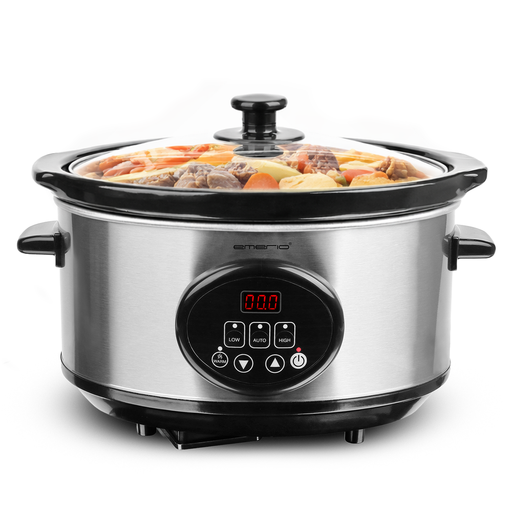 No image available
Suitable if you slow-cook complete meals as well as making meals from tins, and want a timer function.
Stated capacity: 3.5 L. The product description lists a removable ceramic bowl and an automatic keep-warm function. According to the description, the appliance must not be left unattended while in use.
 No image available
An option to compare if you want to slow-cook small meals as well as heat beans.
Stated capacity: 2.6 L; the product lists 1000 W and three manual heat settings of 400 W, 800 W and 1000 W. The description advises against cooking at high temperatures to protect the non-stick coating.
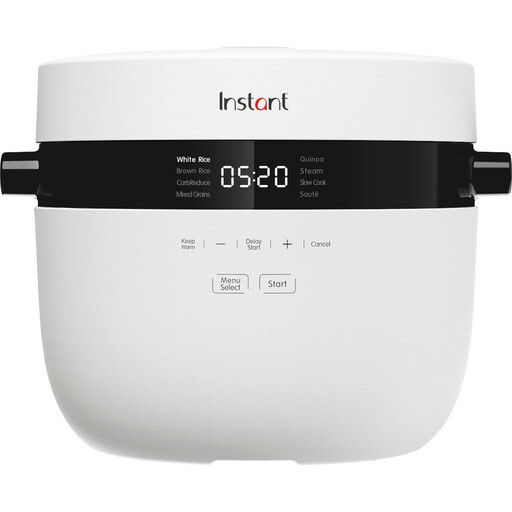 No image available
Suitable if you want several cooking programmes in one appliance, as well as slow cooking.
The product description lists a 5 L capacity, automatic time and temperature control, and programmes including slow cooking and sautéing. The same description mentions dishwasher-safe parts.
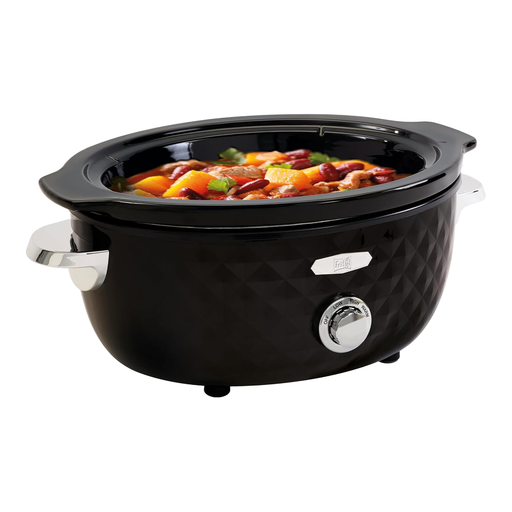 No image available
An option if you also slow-cook stews, sauces or soups and want to be able to serve food from the bowl at the table.
Stated capacity: 3.3 L; the product lists 150 W, a ceramic bowl and four heat settings. According to the product description, the bowl must not be used on a hob or in an oven.
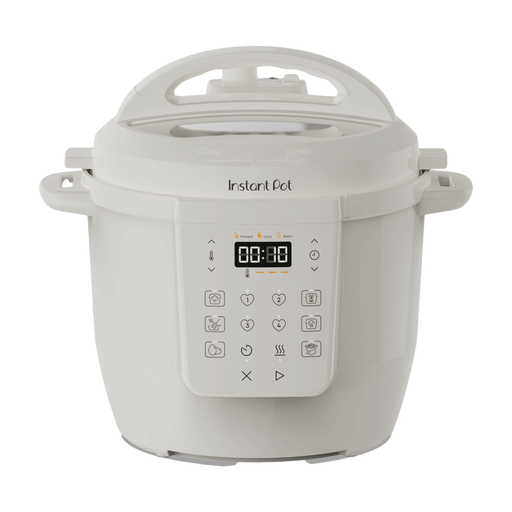 No image available
Suitable if you want to combine slow cooking with other cooking methods in one appliance.
The product description lists a 5.7 L capacity, 12 programmes and a keep-warm function. The listed functions include slow cooking, pressure cooking and steaming; the description states that it serves up to six portions.
No. The Netherlands Nutrition Centre says that tinned pulses only need heating through. Also follow the instructions on the packaging.
It’s better to use the hob or microwave. The Netherlands Nutrition Centre advises heating leftovers thoroughly until steaming hot and stirring them well. The US USDA advises against reheating leftovers in a slow cooker because they could remain for too long in an unsafe temperature range; this is food safety advice from the USDA, not a Dutch legal requirement.
Don’t assume you can based only on a timer or keep-warm setting. Check the manual for the exact model: the Tristar VS-3915 manual consulted says not to leave the appliance plugged in and unattended. This model-specific instruction doesn’t automatically apply to other appliances.
The Netherlands Nutrition Centre advises cooling leftovers within two hours, storing them covered in the fridge and eating them within two days. Before cleaning, check which parts of your model are removable or dishwasher-safe, and follow the manual when cleaning the electrical housing.
According to the Dutch government, there is no fixed time limit for the statutory guarantee in the Netherlands: what you can reasonably expect from a product depends on the product and the circumstances. The NVWA states that CE marking is compulsory for electrical products. A CE mark is a declaration by the manufacturer and, on its own, isn’t proof that the product has been independently tested.