
Families who only heat up tinned beans
Want to find out whether an electric pressure cooker is necessary for a simple, already-cooked meal component. The Netherlands Nutrition Centre advises heating tinned pulses according to the label.


You don’t need an electric pressure cooker for tinned butter beans: according to the Netherlands Nutrition Centre, tinned pulses have already been heated sufficiently, so you only need to warm them according to the label. A multicooker can be useful if you also want to prepare other parts of family meals in it. If so, check its functions, whether it suits your usual portion sizes and the pressure-cooking instructions for the exact model.
Want to find out whether an electric pressure cooker is necessary for a simple, already-cooked meal component. The Netherlands Nutrition Centre advises heating tinned pulses according to the label.
Want to sauté ingredients as well as beans, or cook other dishes under pressure. The available functions and capacity can help you decide which model is right for you.
Pay particular attention to pressure release, safe use in line with the model-specific instructions, and how easy the pan and its parts are to clean.
Start by asking whether you’ll use the appliance for other dishes too; you don’t need a pressure function just to heat up tinned beans.
| What to consider | What should you check? | Who is this important to? |
|---|---|---|
| Do you need pressure for tinned beans? | Follow the label; tinned beans have already been heated sufficiently. | If I only want to heat beans for a meal, I don’t need a pressure function for that. Around 30% of consumers prioritise reheating alone. |
| Portion sizes and extra functions | Compare the pan capacity with your usual portion sizes and check the filling instructions; see whether sautéing or reheating is available. | If I want to use one pan for other family meals too, suitable portion sizes and cooking functions matter. Around 40% of consumers prioritise this combination. |
| Safe pressure cooking | Read the instructions for the minimum amount of liquid, maximum fill level and pressure release for the exact model. | If I cook under pressure, I want to know when it’s safe to open the lid and how full to fill the pan. Around 20% of consumers prioritise these safety instructions. |
| Cleaning and aftercare | Check which parts can be cleaned and what instructions apply to maintenance and servicing. | If I use the appliance regularly, I want to know in advance how much cleaning and maintenance it involves. Around 10% of consumers make this their top priority when choosing. |
According to the Netherlands Nutrition Centre, tinned pulses have already been heated sufficiently and only need warming according to the label.
First decide whether you’ll also use the extra functions for other family meals.
The pan’s capacity isn’t the same as its maximum fill level for pressure cooking. The Instant Pot Duo manual says to use liquid and follow the fill line.
Before use, check the minimum liquid requirement and maximum fill level in the manual for your exact model.
A paid-for extended warranty isn’t the same as your statutory protection if a product is faulty.
Check what the extra cover includes and contact the retailer if a product is faulty. The Government of the Netherlands explains that there is no fixed statutory guarantee period in the Netherlands.
Instant Pot describes its 5.7-litre Duo as a multicooker with functions including sautéing and keeping food warm. This could be useful if you want to cook other dishes as well as beans.
The Turbo Cuisine CY7548/CY754830 is a multicooker with several cooking methods, including pressure cooking and stir-frying. It may suit anyone looking for a range of functions.
Philips lists a 6-litre capacity and functions including reheating, sautéing and automatic pressure release for the HD2616/70. The HD2823/80 is a separate model with an 8-litre capacity.
These electric pressure cookers and multicookers are for anyone who wants to cook other family meals as well as heat up beans.
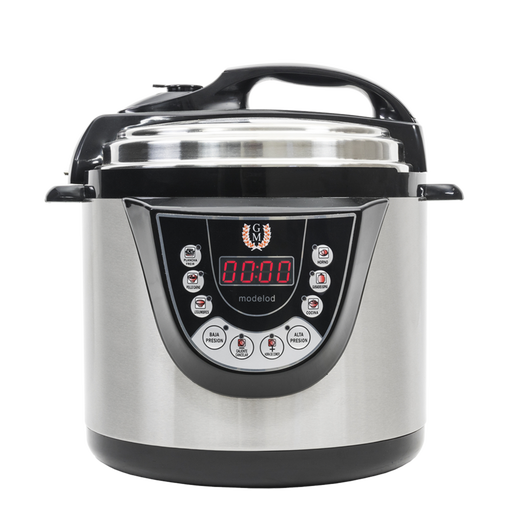 No image available
Worth comparing if you’re looking for other cooking programmes as well as reheating.
The product name lists a 6-litre capacity, 9 cooking programmes and 2 pressure levels.
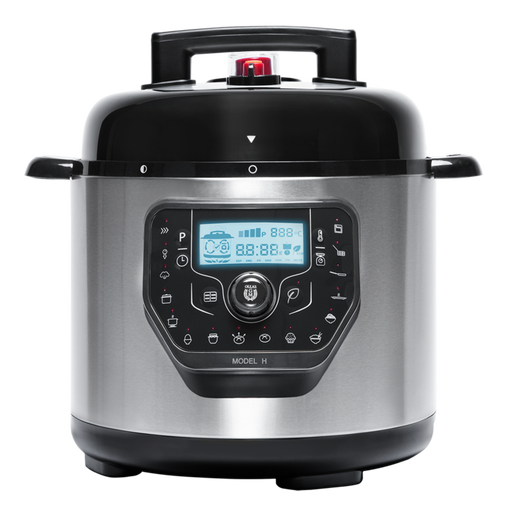 No image available
Worth comparing if you’re looking for one appliance with several cooking methods.
The product name lists an air fryer attachment and an integrated scale. Check the manual for this model for instructions on using the pressure function.
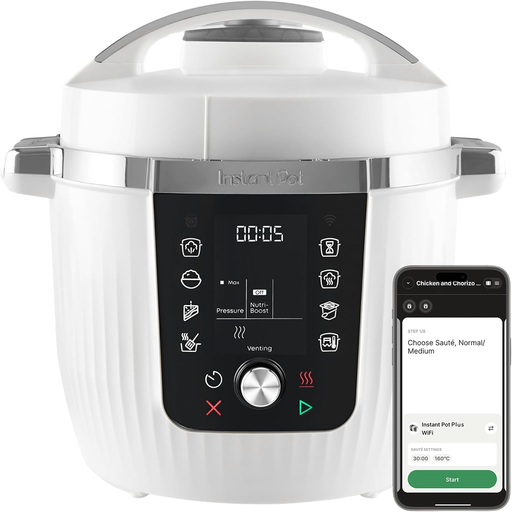 No image available
An option for anyone who wants to cook other family meals as well as beans, and is looking for a range of cooking functions.
The product name lists a 5.7-litre capacity, 10-in-1 functionality, WiFi and 1200 W. When pressure cooking, follow the maximum fill line and only open the lid once the pressure has been fully released.
 No image available
An option to compare if you’re looking for a pressure cooker for family meals.
The product name lists 14 cooking functions and a stainless-steel inner pot.
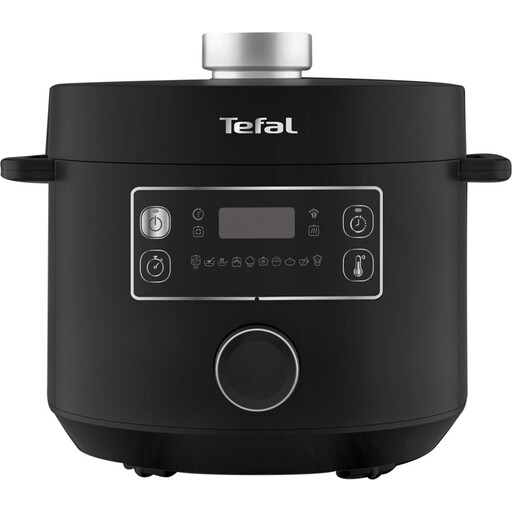 No image available
Could suit you if you’re looking for a multicooker for reheating and other family meals.
The product name lists a 5-litre capacity. Don’t open the lid while the pan is under pressure; follow the pressure-release instructions in the manual.
No. According to the Netherlands Nutrition Centre, tinned pulses have already been heated sufficiently, so you only need to warm them according to the label. This doesn’t necessarily apply to dried beans.
Not while there’s still pressure in the pan. The Instant Pot Duo manual warns against forcing the pan open and says to check that the pressure has fully released first. If you have another model, follow its manual.
In the Netherlands, statutory protection applies without a fixed statutory guarantee period. The Government of the Netherlands says you should contact the retailer if a product is faulty; a manufacturer’s warranty or extended warranty doesn’t replace your statutory rights.
No. The manufacturer is responsible for the relevant conformity assessment and CE marking. The European Commission explains that the mark isn’t a safety approval from an EU authority. Also check that the model on offer and its product information match what you’re looking for.
Transfer the beans to a sealed container rather than leaving them in the opened tin. Follow the storage advice on the packaging or in the Storage Guide. The Netherlands Nutrition Centre’s advice to keep beans in the fridge for two days refers to tinned brown beans and doesn’t necessarily apply to butter beans.