
If you mainly reheat small portions
You mainly want to heat a tin of butter beans and are weighing up whether you need another appliance for the job. The Netherlands Nutrition Centre says that pulses in tins only need reheating.


You don't need a multicooker just to heat up tinned butter beans: according to the Netherlands Nutrition Centre, pulses in tins are already cooked and only need reheating according to the instructions on the label. If you also want to use the appliance for other meals, first check the cooking pot capacity and whether it has a cooking or sauté function. Pressure cooking and a large number of programmes add nothing for this one tin on its own.
You mainly want to heat a tin of butter beans and are weighing up whether you need another appliance for the job. The Netherlands Nutrition Centre says that pulses in tins only need reheating.
You want to make other dishes as well as reheat food, and are looking for the right balance between portion size, appliance size and the space available.
You want to combine beans with other ingredients, so you’re considering the cooking functions and how the individual parts need to be cleaned.
Choose this if: you only heat a tin of beans now and again and already have a suitable pan.
The trade-off: you won’t need to store another appliance, but you won’t get any extra cooking settings either.
Choose this if: you make small portions and want to use the appliance for other dishes too.
The trade-off: a pressure-cooking function isn’t needed for beans that are already cooked; also check the capacity of the version you choose.
Choose this if: you regularly make larger quantities or complete meals.
The trade-off: a larger pot and extra functions aren’t automatically useful for one small tin of beans.
| What to consider | What should you look for? | Who is it important for? |
|---|---|---|
| Easy reheating | Compare a suitable pan with a useful cooking or reheating setting. Only factor in extra programmes if they’re for dishes you also make. | I only want to heat a tin of beans now and again, without paying for functions I won’t use. Around 36% of consumers say easy reheating is their top buying concern. |
| Capacity and size | Check the capacity of the version you choose and compare its external dimensions with your worktop and storage space. | I want a pan that suits my portions and fits the space I have in my small kitchen. Around 29% of consumers prioritise a capacity suited to small portions. |
| Other dishes | Check which cooking settings the model you’re considering has and whether they suit the meals you actually make. | I want to use the pan for complete one-pot meals too, so its extra functions do more than just heat beans. Around 21% of consumers prioritise versatility for other dishes. |
| Cleaning | Check which removable parts are dishwasher-safe according to the instructions and whether you need to remove a control panel. | After a meal, I want to wash as few parts by hand as possible. Around 14% of consumers say easy cleaning is their top buying concern. |
Pulses in tins are already cooked. For this task, they only need reheating according to the label, says the Netherlands Nutrition Centre.
Start with the pan you already have. Consider a multicooker mainly if you want to make other dishes too and will use its cooking settings for them.
A capacity figure alone doesn’t tell you what amount will suit your meal. Also check carefully which version of the Instant Pot Duo 3L Mini you select: the product information also lists a 7.6-litre capacity option.
Compare the full model name, selected capacity and external dimensions with your needs and available storage space.
Russell Hobbs makes an energy-saving claim about cooking a whole chicken compared with an electric oven. That comparison doesn’t tell you how the appliance performs when reheating a small portion of beans.
Judge the functions by the dishes you want to make; don’t assume a claim about a different meal applies to how you’ll use the appliance.
The Duo 3L Mini is one option if you’re looking for a smaller multicooker that also offers other cooking settings.
The RK8121 is worth considering if you want to cook a range of dishes as well as beans, and are looking for a dedicated reheating setting.
The Good To Go 28270-56 is designed for cooking and keeping food warm, and may suit you if you can make use of its larger pot.
These Joybuy picks are compact rice cookers and electric cooking pots for small portions. They’re mainly worth considering if you want to make other dishes as well as beans; check which cooking or keep-warm functions each model offers to make sure they suit how you’ll use it.
 No image available
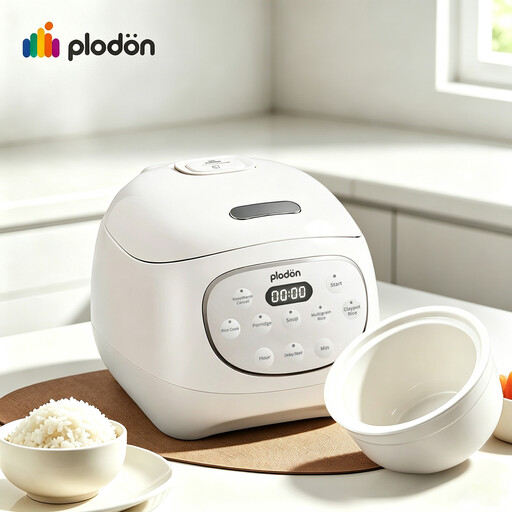
A compact option if you also want to make rice dishes and are looking for an appliance for 1–2 people.
Capacity: 1.2 l. Power: 300 W. Ceramic inner pot. The product name lists a 23-hour delay start and an 8-hour keep-warm function.
Don’t use steel wool on the ceramic inner pot, as it could damage the surface.
 No image available
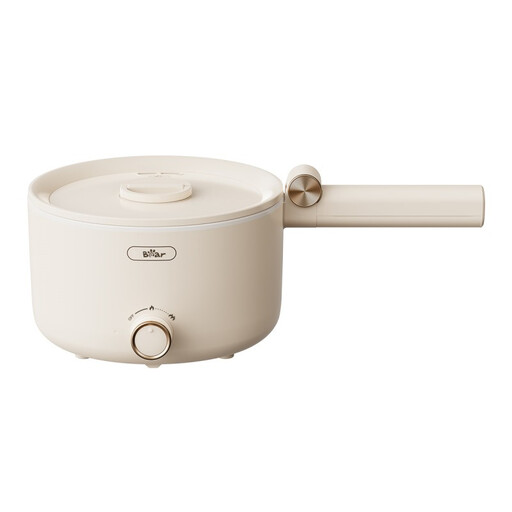
Worth a look if you make small portions and want to use the pot for other dishes too.
Stated capacity: 1.6 l. The product description says it’s suitable for 1–2 people and has two heat settings.
The product description says the appliance should be monitored while in use.
 No image available
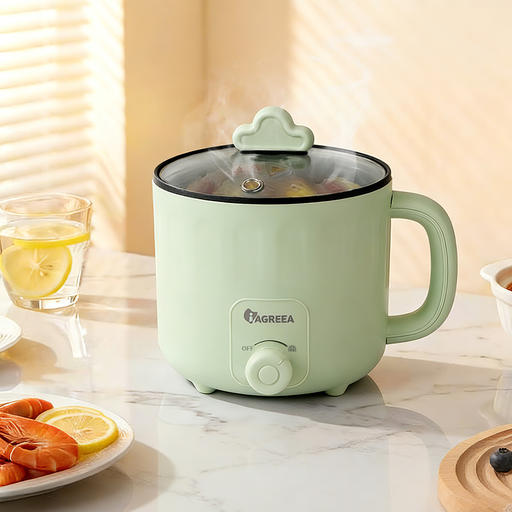
A good fit if you want to cook, stew or fry simple dishes as well as reheat food.
Stated capacity: 1.6 l. The product description says it’s suitable for one person or a couple.
 No image available
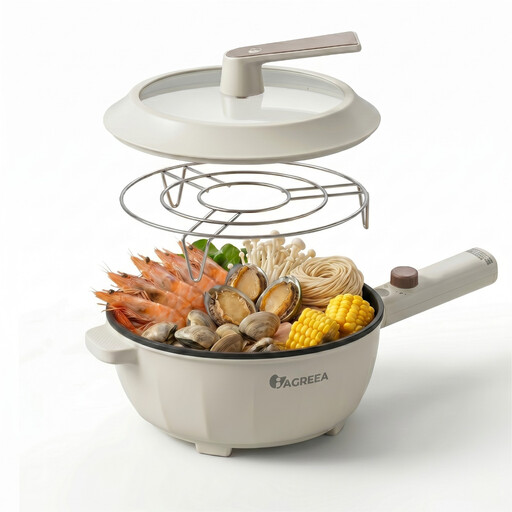
A larger capacity to consider if you make other small meals as well as beans.
Stated capacity: 2.3 l. Power: 1600 W. The product description lists three adjustable power settings.
Don’t immerse the motor base or cord in water.
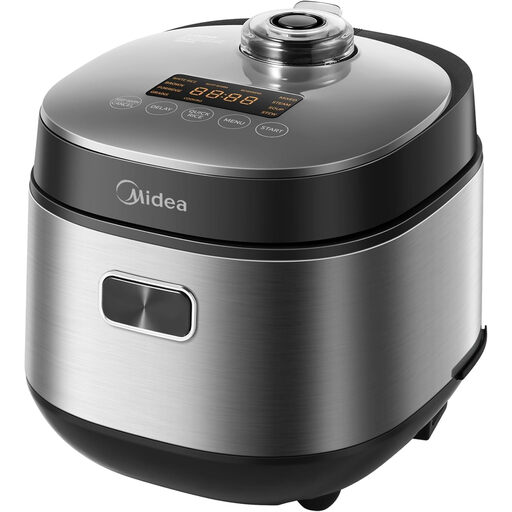 No image available
An option if you cook for 1–3 people and want to make soup or stews as well as rice.
Stated capacity: 2 l. The product name lists 4 cups, a 30-minute rapid rice-cooking function, and a 24-hour keep-warm function and timer.
No. According to the Netherlands Nutrition Centre, pulses in tins are already cooked and only need reheating according to the label. That’s different from dried beans, which still need to be cooked.
According to the Netherlands Nutrition Centre, cool cooked leftovers within 2 hours, store them covered in the fridge and eat them within 2 days. Reheat them thoroughly until steaming hot, stirring as they warm through. Don’t reheat the same leftovers a third time.
Electrical equipment covered by the EU Low Voltage Directive must have CE marking before it is placed on the EU market. The directive applies to equipment with a rated AC voltage of 50 to 1,000 V; check the details for the specific model.
For a standard online consumer purchase, you generally have a legal right to change your mind for up to 14 days after delivery, subject to applicable exceptions. You’re also entitled to a legal guarantee if the appliance doesn’t perform as you could reasonably expect under normal use; the retailer is your point of contact. These are statutory rights, not a manufacturer’s promise.