
Vandaag of morgen in huis

Kwaliteit gegarandeerd

Welkomstaanbiedingen ontgrendelen: GRATIS bezorging | Tot 80% korting | Gratis 30 dagen JoyPlus-proefperiode
Download de app
Tinned beans are handy for a quick salad, soup, curry or stew. There’s no need to soak them, and many varieties are ready to use once drained and, if you like, rinsed. However, tinned beans, jars and pouches can vary considerably in contents, portion size and how they’re used.
Most disappointing purchases come down to three common pitfalls:
The dish you’re making will help you decide which beans are most practical:
For international dishes, preparation is especially important. Cooked beans in tins are ready to use, while dried toor dal, urad dal and chickpeas need to be rinsed, soaked or cooked according to the instructions on the pack.
Compare the ingredients list per 100 grams. A simple list might contain beans, water and salt. Other varieties include a sauce, sugar, herbs or a stabiliser. None of these additions is automatically a problem, but they can affect the flavour and how you use the product.
Also check:
According to brands’ own product information, some beans may be described as “high in protein” or “high in fibre”. Treat these as product claims and always check the latest nutrition table on the packaging.
Store unopened tins and jars in a cool, dry place away from direct sunlight. Check the best-before date and packaging before use. Don’t use a jar if the lid is bulging, leaking, cracked or no longer seals securely.
After opening:
Rinsing can remove excess liquid, salt or sauce, but it isn’t always necessary. The cooking liquid can add extra flavour and help thicken a curry or stew.
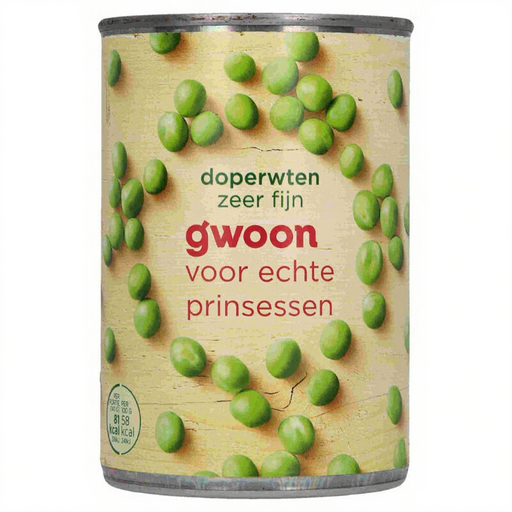
Why it suits this profile: The 400-gram pack is practical for Dutch mash dishes, soup, pasta or a quick vegetable dish.
According to the available product information, the ingredients list contains peas and water, with no added salt.
400 grams; 5.5 grams of fibre and 4.8 grams of protein per 100 grams, according to the product listing.
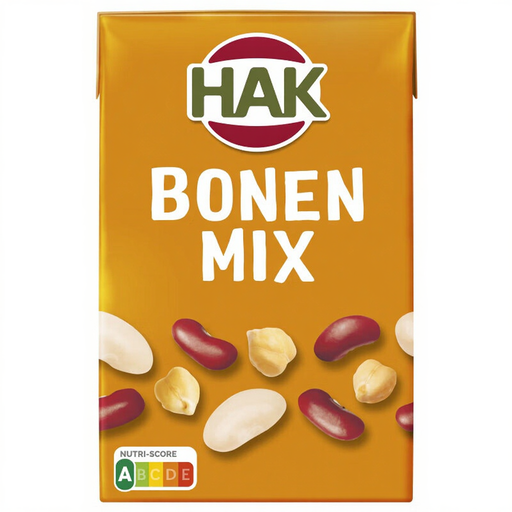
Why it suits this profile: This mix combines kidney beans, cannellini beans and chickpeas for a salad, bowl or vegetarian meal.
The ingredients and percentages are listed: 30% kidney beans, 18% cannellini beans and 12% chickpeas.
380 grams; 6.9 grams of fibre and 7.3 grams of protein per 100 grams, according to the product information.
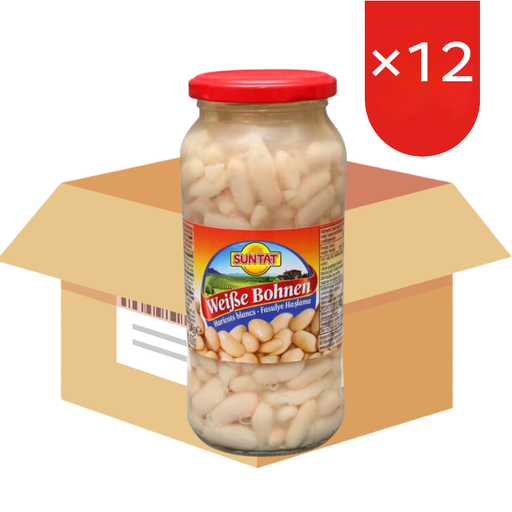
Why it suits this profile: This multipack is aimed at households that regularly use cannellini beans in Turkish dishes, salads and soups.
The packaging clearly states the total quantity; according to the product information, the beans should be kept in the fridge once opened.
Cannellini beans, water and salt listed as ingredients; pack of 12 x 580 ml.
We’ve put together a complete, up-to-date list of products that meet these strict selection criteria and the applicable European safety regulations.
Not always. Rinsing can remove excess liquid, salt or sauce. It’s often handy for a salad or cold bowl. For a curry, soup or stew, you can use the liquid if you like, depending on the flavour and thickness you’re after.
Always follow the label for the specific product. Store opened beans in a sealed container in the fridge and use them within the time stated. Don’t use the beans if their smell, colour, packaging or texture seems unusual.
No. Tinned lentils and chickpeas are already cooked, so they’re quick to use. Dried lentils, toor dal, urad dal and chickpeas need preparing first. So check whether you’re buying cooked beans or dried pulses before planning a recipe.
