
Vandaag of morgen in huis

Kwaliteit gegarandeerd

Welkomstaanbiedingen ontgrendelen: GRATIS bezorging | Tot 80% korting | Gratis 30 dagen JoyPlus-proefperiode
Download de app
Tinned and jarred vegetables are handy for busy weekdays, well-stocked cupboards and quick meals. There’s no chopping involved, and many products are ready to heat or add to soup, pasta, a Dutch-style mash, salad or a stir-fry. However, not every pack will suit the way you plan to use it.
The main pitfalls usually have less to do with the brand and more to do with portion size, ingredients and preparation. A large jar may look like good value, but it can be inconvenient if you won’t use it up quickly. Terms such as “no added ingredients” or “natural flavour” can also give you only a partial picture of what’s inside. Always check the label and product information.
A tin or jar with a low price isn’t automatically good value. Compare the net contents, number of portions and price per 100g. A small pack, such as Bonduelle Crispy Corn Minis at 150g, may be just the thing for one salad or a single-person household. A 675g jar is better suited to a family or several meals.
Preserved vegetables may contain water, salt, acidity regulators, sugar or other added ingredients. That’s not necessarily a problem, but it’s worth checking if you want to control the flavour and what goes into your food. For example, according to the product information, HAK Half-Leaf Chopped Spinach contains only spinach and water. Other products, such as atjar, may contain vinegar, sugar, spices and stabilisers.
Check for allergens too. One product may not contain any of the 14 major EU allergens, while another may list mustard, celery, soya, gluten or sesame, for example.
Not all long-life vegetables can be heated in their packaging. For several tinned and jarred products, you’ll need to transfer the contents to a pan or microwave-safe dish first. Check the packaging for damage too. Don’t use a tin or jar if it’s bulging, leaking or badly damaged.
As well as the total contents, check the drained weight. Water or brine counts towards the pack’s weight, but it isn’t part of the amount of vegetables you eat. A larger pack is usually handy for a Dutch-style mash or casserole. For a salad or side dish, a smaller jar can help reduce waste.
Think about how you’ll use it:
Compare the nutritional values per 100g. Salt levels can vary, particularly in jarred green beans, jarred okra and other vegetables in brine. Tinned sweetcorn has a naturally sweeter flavour, while atjar often contains sugar and vinegar.
Always check the actual nutritional value alongside any “less salt” claim. For example, according to the product information provided, HAK Extra Fine Peas and Carrots contains 0.31g of salt per 100g. HAK Fine Cut Green Beans contains 0.23g of salt per 100g. Check the current packaging for the definitive information.
The way vegetables are cut can influence how you use them. Extra-fine peas and carrots go well with potatoes, rice or a classic Dutch side dish. Finely cut green beans are easy to mix into a casserole. Sliced or cut bamboo shoots add texture to stir-fries, soups and curries.
For Asian vegetables, check the preparation instructions too. Some bamboo shoots need rinsing before use. Thorough heating may be recommended for pre-cooked products. Always follow the label on the specific product.
The following selection is based on verifiable information such as contents, ingredients, nutritional values and stated uses. Brand descriptions of flavour or freshness are not presented as independently verified results.
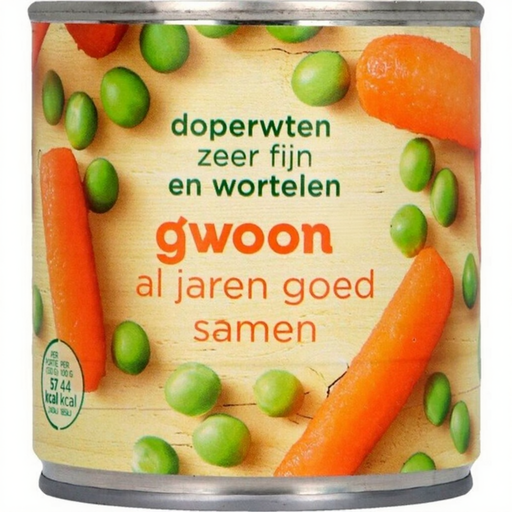
Why it suits this need: A familiar combination for Dutch-style mash, potatoes or a quick Dutch meal. The 400g pack is a manageable size for a household that doesn’t want to buy in bulk.
The pack is smaller than many large jars, helping to limit leftovers. The ingredients list includes water, peas and carrots.
400g contents; extra-fine peas and carrots; none of the 14 major EU allergens listed.
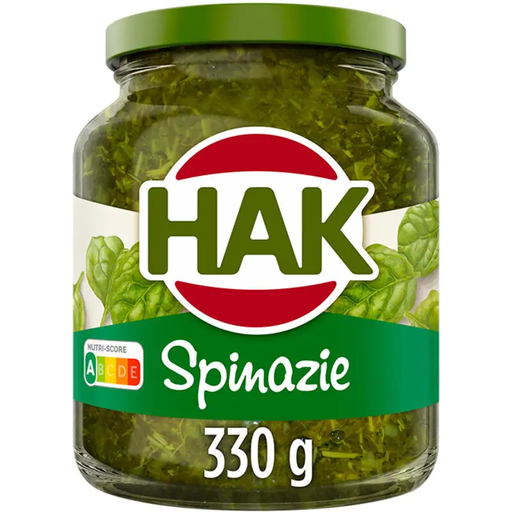
Why it suits this need: Ideal for home cooks looking for a simple base for pasta, omelettes, potatoes or a savoury tart.
According to the product information, it contains only spinach and water. So you can see exactly what you’re buying, without a long list of flavourings.
330g contents; chopped half-leaf spinach; 0.04g of salt per 100g according to the information provided.
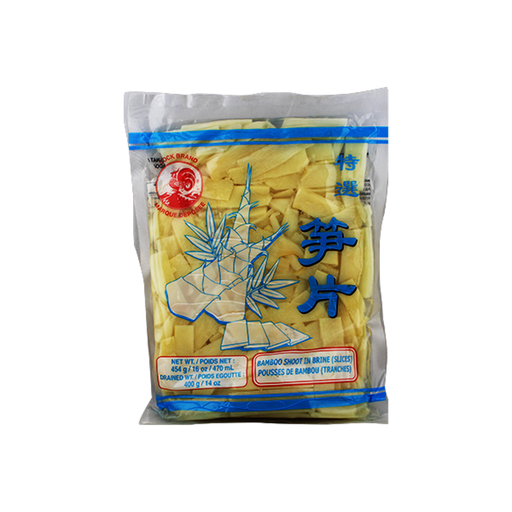
Why it suits this need: A practical choice if you regularly use Asian vegetables in stir-fries, noodle soup, curry or salad.
The slices are ready to use and, according to the product information, packed without preservatives. Rinse before use and check the packaging once opened.
454g contents; sliced bamboo shoots; suitable for vegetarian and vegan recipes according to the product description.
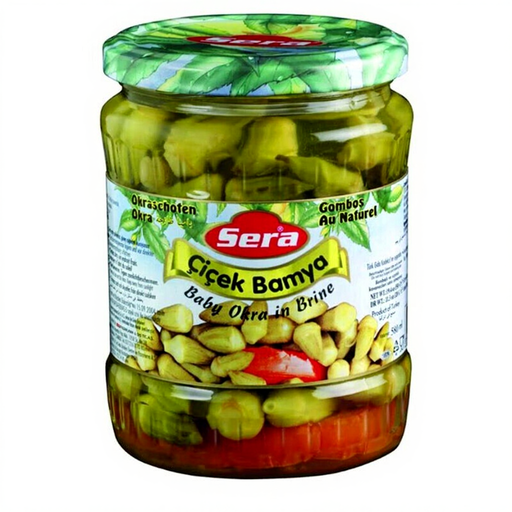
Why it suits this need: This jarred okra is suited to stews, casseroles, salads and side dishes where you want to use less familiar vegetables.
The product information clearly states that the okra is preserved in brine. This means you can take its salt content of 1.0g per 100g into account.
580g contents; ready to use according to the product description; ingredients include okra, water, salt and citric acid.
We’ve put together a complete, up-to-date list of products that meet these strict selection criteria and the applicable European safety regulations.
Unopened products usually keep for a long time when stored in a cool, dry place away from direct sunlight. The exact date is shown on the packaging. Don’t use a product if the tin is bulging, leaking or badly damaged. Store opened contents according to the label instructions and use a clean spoon.
It depends on the product and your recipe. Rinsing can be useful if you want to use less brine or liquid, for example with bamboo shoots, sweetcorn or green beans. Rinsing products in sauce or pickled vegetables may change the flavour. Follow the preparation instructions and check the ingredients list.
It varies by product, season, pack size and quantity. Don’t compare only the price of the pack; check the price per 100g and the drained weight too. Long-life vegetables can also help reduce waste if you choose just the amount you need.
