
Soup lovers keeping an eye on fibre
If you want tiger bread with your pea soup and prefer a wholemeal base, check that the bread is actually wholemeal. Jumbo lists 7.3 g of fibre per 100 g for its Boeren Tijgerbrood Volkoren.


Choose wholemeal tiger bread if you want both a tiger crust and a wholemeal base with your pea soup. If seeds are your main priority, also consider seeded or multigrain bread: a tiger crust alone tells you nothing about whether the bread contains seeds or is wholemeal. Check the ingredients and compare fibre and salt per 100 g on the label.
If you want tiger bread with your pea soup and prefer a wholemeal base, check that the bread is actually wholemeal. Jumbo lists 7.3 g of fibre per 100 g for its Boeren Tijgerbrood Volkoren.
If you want extra texture from seeds, the tiger crust alone isn’t enough: check the ingredients. Albert Heijn lists sunflower seed in its AH Tijger tarwe-maïs; ALDI describes its Boeren volkoren meergranenbrood as bread with grains and seeds.
If you’re looking for bread to have with pea soup at your usual supermarket, compare tiger bread, wholemeal bread and seeded bread as separate options. Check the label and the range at your chosen supermarket for each product.
First decide whether the tiger crust, the wholemeal base or the seeds in the bread matter most to you. These features don’t automatically come together in one loaf.
When to choose it: You want to combine a tiger crust with a confirmed wholemeal base; Jumbo Boeren Tijgerbrood Volkoren is one example.
Consider: Seeds aren’t listed as a standard ingredient in this Jumbo loaf.
When to choose it: You want seeds in your bread as well as a tiger crust; AH Tijger tarwe-maïs lists sunflower seed.
Consider: Albert Heijn describes this product as white wheat and maize bread, not wholemeal bread.
When to choose it: Seeds or a variety of grains matter more to you than a tiger crust; ALDI, for example, describes a wholemeal multigrain bread with grains and seeds.
Consider: According to the Voedingscentrum, ‘multigrain’ means that at least three types of grain have been used; it doesn’t automatically mean the bread is wholemeal.
| What to consider | What to check | Who it matters to |
|---|---|---|
| Wholemeal and fibre | Check that it’s labelled wholemeal and compare fibre per 100 g. | When I have bread with my soup, I mainly want to know whether it has a wholemeal base. This is the deciding factor for around 33% of consumers. |
| Seeds and texture | Look for seeds or kernels in the ingredients list; don’t judge by the crust alone. | I want to be able to see the seeds in the bread itself. Around 27% of consumers prioritise this texture. |
| Salt and ingredients | Compare salt per 100 g and read the ingredients and allergen information. | With a soup meal, I mainly want to be able to assess which bread suits my concerns about salt or particular ingredients. This is the first thing around 20% of consumers consider. |
| Choice in store | Compare the breads available and check the label on the product you buy. | I want to find bread at my usual supermarket that meets my main requirement. Around 20% of consumers prioritise this practical choice. |
AH Tijger tarwe-maïs lists sunflower seed but is a white bread. Jumbo Boeren Tijgerbrood Volkoren has a wholemeal base, but seeds aren’t listed as a standard ingredient.
Decide which feature matters to you, then check the product name and ingredients.
According to the Voedingscentrum, ‘multigrain’ tells you how many types of grain have been used, not whether the bread has a wholemeal base.
Look separately for a wholemeal label and, if you like, compare fibre per 100 g.
The Voedingscentrum lists 1.74 g of salt in a 250 g bowl of pea soup. Albert Heijn lists 0.9 g of salt per 100 g for AH Tijger tarwe-maïs; Jumbo lists 1.00 g per 100 g for Boeren Tijgerbrood Volkoren. The amount in your meal also depends on your portion sizes and the soup you choose.
Compare the salt content of the bread per 100 g if it matters to your choice.
The Voedingscentrum explains that bakers aren’t required to use iodised baker’s salt. So a bread’s name doesn’t confirm which type of salt it contains.
For packaged bread, check the ingredients list for baker’s salt or iodised salt. If you want to know which salt is used in unpackaged bread, ask the baker.
AH Tijger tarwe-maïs is worth considering if you’re looking for tiger bread with sunflower seed.
Jumbo Boeren Tijgerbrood Volkoren is one example to compare if you’re specifically looking for wholemeal tiger bread.
Lidl lists Tijgerbruin as a bread option to explore if you’re looking for a tiger crust.
ALDI lists both Boeren tijger volkoren and a separate Boeren volkoren meergranenbrood.
PLUS lists Korenlanders Boeren tijger volkoren and Korenlanders Licht Meerzaden as separate options.
Dirk lists multigrain and seeded options for anyone considering alternatives to tiger bread with their pea soup.
These rolls and loaves are options if you’re considering multigrain bread with your pea soup. If you specifically want a tiger crust, seeds or a wholemeal base, check each product for those features.
 No image available
An option if you’d like to serve individual multigrain rolls with your soup. The pack contains 4 rolls; check the ingredients if seeds are a deciding factor for you. The name doesn’t confirm a wholemeal base or tiger crust.
 No image available
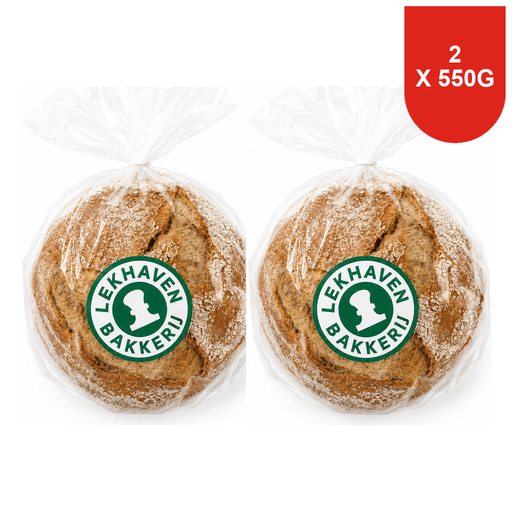
An option if you’re looking for multigrain bread in a pack of two round loaves. The product name states 2 × 550 g; check the packaging for the ingredients, wholemeal status and allergens if these affect your choice. The name doesn’t confirm a tiger crust.
 No image available
An option if you’d like one round multigrain loaf to have with your pea soup. The product name states 550 g; check the packaging for the ingredients, allergens and any wholemeal labelling. The name doesn’t confirm a tiger crust.
No. A tiger crust doesn’t automatically mean the bread contains seeds. AH Tijger tarwe-maïs lists sunflower seed, while seeds aren’t listed as a standard ingredient in Jumbo Boeren Tijgerbrood Volkoren. So check the ingredients of the bread you choose.
Not automatically. According to the Voedingscentrum, multigrain means that at least three different types of grain have been used. Look separately for a wholemeal label if that matters to you.
Compare the salt content of bread per 100 g and take the portions you eat into account. The Voedingscentrum lists 1.74 g of salt in a 250 g bowl of pea soup; the amount in your meal depends on the bread and the soup recipe.
No. According to the Voedingscentrum, bakers aren’t required to use iodised baker’s salt. Check the ingredients list on packaged bread, and ask which salt is used for unpackaged bread.