
Vandaag of morgen in huis

Kwaliteit gegarandeerd

Welkomstaanbiedingen ontgrendelen: GRATIS bezorging | Tot 80% korting | Gratis 30 dagen JoyPlus-proefperiode
Download de app
Throat sweets come in many varieties, from classic liquorice and menthol sweets to sugar-free mints, honey pastilles and fresh-breath sweets. However, eye-catching packaging tells you little about what you’re actually buying. The difference often comes down to the ingredients, nutritional values, flavour intensity and when you plan to use them.
If you only look for phrases such as “extra fresh” or “for the throat”, you could end up choosing a product that contains a lot of sugar when avoiding sugar was important to you. Throat pastilles, cough sweets and ordinary mint sweets are also sometimes confused, even though they don’t have the same purpose or ingredients.
Sugar-free pastilles often contain polyols such as sorbitol or xylitol. The label may therefore say 0 grams of sugar, even though the product still contains carbohydrates and calories. Consuming too many polyols can also have a laxative effect. So check both the ingredients list and the nutrition table.
Some sugar-free products also contain aspartame, which is relevant to people with phenylketonuria. Always follow the warning on the packaging.
Menthol, eucalyptus, lemon and mint give your mouth a cooling or fresh sensation. That doesn’t automatically mean a product treats a cold, cough or sore throat. Manufacturers may use terms such as “soothing” or “for the throat”; treat these as descriptions from the brand, not as medical claims.
If your symptoms are persistent or severe, speaking to your GP or pharmacist is a better option than using more and more cough pastilles.
A product may be gluten-free but still contain gelatine or honey. Other varieties contain sulphites, milk ingredients or colourings. If you’re vegan, pay particular attention to gelatine, beeswax, honey and other animal-derived ingredients.
Always check the current packaging. Product information can change, and the packaging has the latest usage and allergen information.
Compare the values per 100 grams and, where possible, check how many pastilles are in each pack. A 200 or 225 gram bag may seem like good value, but sugar-containing varieties can contain a relatively high amount of carbohydrates.
For example, according to the product information, DF Cough Candy contains 97.4 grams of sugar per 100 grams. Its ingredients include sugar, dextrose, liquorice root extract, gelatine and menthol. It may suit someone who has deliberately chosen classic boiled sweets, but is less suitable if you’re trying to limit your sugar intake.
In sugar-free mints, most of the carbohydrates come from polyols. Also look out for warnings about excessive consumption and for mentions of aspartame or a source of phenylalanine.
Strong menthol isn’t for everyone. If you’re sensitive to menthol, a milder mint variety may be a better choice. Use liquorice-containing products in moderation; some packaging warns people with high blood pressure to avoid excessive consumption.
A tub or bag is handy at home, in the office or in the car. Individually wrapped sweets are more convenient when you’re out and are better protected from moisture. Look out for:

Why it suits this shopper: A generous pack of classic boiled sweets for home, with a familiar combination of liquorice and menthol flavours.
The product information clearly lists sugar, gelatine and menthol, so you can check in advance whether the ingredients suit your preferences.
200 grams; boiled sweets with liquorice root extract and menthol; described in the product information as melting in your mouth.
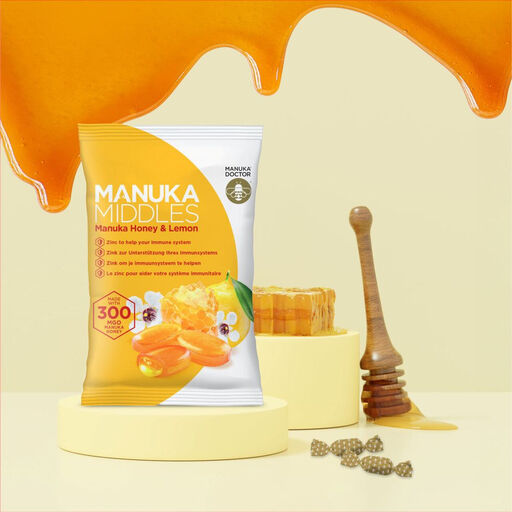
Why it suits this shopper: A good choice if you value attractive packaging, a lemon flavour and a liquid honey centre.
The pack contains 22 individually wrapped pastilles. The product information also lists 9% manuka honey and sugar, and includes a warning for children under 12 months.
Individually wrapped; lemon and honey flavour; according to the product information, contains zinc and 9% New Zealand manuka honey.

Why it suits this shopper: For anyone looking for a pronounced menthol flavour and preferring to carry sugar-free cough pastilles or mints with them.
The ingredients list sorbitol instead of sugar, as well as liquorice extract. The product information warns against excessive consumption and advises against giving the product to young children.
Sugar-free formula; suitable for vegans and vegetarians according to the product information; 75 gram pack with a strong menthol flavour.
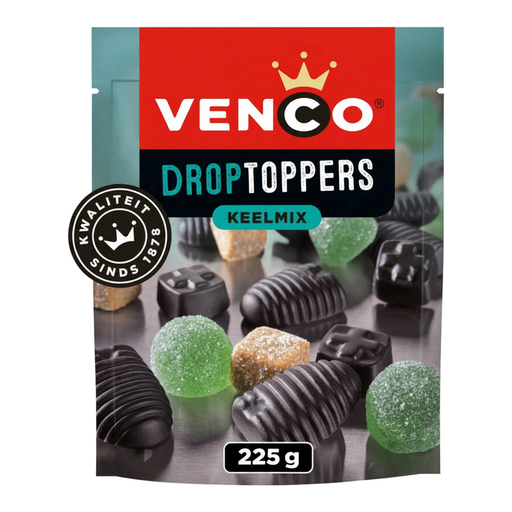
Why it suits this shopper: A large bag with several flavours for households where not everyone wants the same throat pastille.
The varieties are clearly described as honey liquorice, menthol liquorice, eucalyptus menthol and griotten liquorice. The packaging also lists sugar, gelatine and sulphites.
225 grams; four flavour varieties; gluten-free according to the product information.
We’ve put together a complete, up-to-date list of products that meet these strict selection criteria and current European safety regulations.
Not always. Some products are sold as cough sweets or throat pastilles and contain menthol, eucalyptus or liquorice. Others are mainly ordinary fresh-breath sweets or mint sweets. Check the product description and ingredients rather than relying on the name on the front of the pack.
It depends on the ingredients and how many you have. Sugar-free mints often contain polyols and sometimes aspartame. Read the warnings on the packaging and use them as directed. If you’re unsure about an ingredient, ask a pharmacist or doctor for advice.
Keep them somewhere cool and dry, away from direct sunlight, heat and moisture. Seal a bag or tub properly after use. Also check the best-before date on the packaging, and don’t use the product if the packaging is damaged.
