
Vandaag of morgen in huis

Kwaliteit gegarandeerd

Welkomstaanbiedingen ontgrendelen: GRATIS bezorging | Tot 80% korting | Gratis 30 dagen JoyPlus-proefperiode
Download de app
Feeling the strain on your knees or elbows during your yoga or fitness routine? Is your mat slipping just as you're trying to hold a stable pose? A thin or worn-out mat can hinder your workout. Choosing the right surface is essential for comfort, safety, and an effective session.
As a Joybuy Product Recommendation Officer, I'm here to help you make the right choice. In this guide, we'll explore what to look for when purchasing a thick yoga mat. We'll base our advice on clear product specifications, so you can find a mat that truly suits your needs.
Before we dive into the recommendations, here are a few practical tips to help you choose.
The thickness of an exercise mat is crucial for cushioning. A standard yoga mat is often 3 to 5 mm thick. For those seeking extra joint support, a 10mm yoga mat is a popular choice. This extra thickness better absorbs pressure on your knees, elbows, and spine, which is especially beneficial for Pilates, core training, or gentler yoga styles. A thicker mat is also ideal if you work out on a hard surface, like a tile or wooden floor.
The material determines your mat's grip, weight, and lifespan. A TPE yoga mat is a common option. TPE (Thermoplastic Elastomer) is a material known for its lightweight and flexible properties. It typically offers good grip, is moisture-resistant, and easy to clean. A good non-slip yoga mat often features a texture on both sides, which prevents the mat from shifting on the floor and your hands or feet from slipping during poses.
Do you work out not only at home but also at the gym or outdoors? Then portability is a key factor. Many thicker mats are still light enough to carry. A yoga mat with a carrying strap is especially convenient. It allows you to roll the mat up tightly and easily sling it over your shoulder. This turns your gym mat into a practical partner for any workout, wherever you are.
Based on the criteria above, we've compiled a list of popular choices for you.
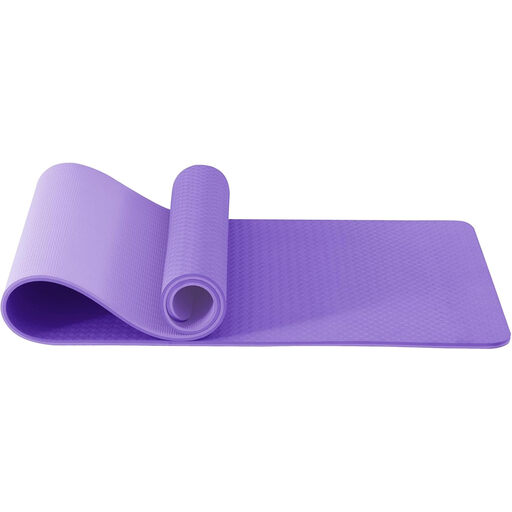
Why it stands out: The focus here is on maximum cushioning with a 10 mm thickness and a convenient carrying strap for transport.
Key Features:
Who It's For: Ideal for beginners and home fitness enthusiasts looking for extra comfort for their joints during yoga, Pilates, or a general fitness routine.
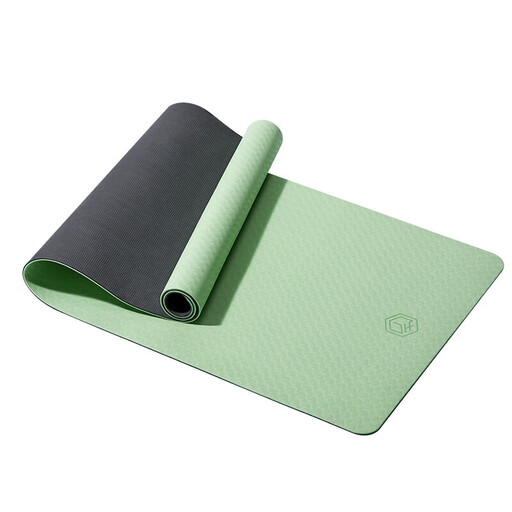
Why it stands out: This mat offers a bit more room with its extra-wide 66 cm design.
Key Features:
Who It's For: Suitable for users who want more freedom of movement during their workout or have a broader build. A great choice for an all-around fitness mat.

Why it stands out: A versatile TPE yoga mat that strikes a good balance between cushioning and a firm grip for various types of workouts.
Key Features:
Who It's For: A great all-rounder for those who regularly practice yoga, Pilates, or need a home gym mat. The included carrying strap also makes it suitable for outdoor use.
Didn't find your perfect match, or are you curious about other colours and styles? We have a wider range of mats and accessories to help you with your workout.
Explore more options in our collection here
Although the terms are often used interchangeably, the difference usually lies in priorities. A traditional yoga mat focuses heavily on grip (non-slip) for holding poses. A fitness mat or exercise mat is often thicker and more focused on cushioning for high-impact exercises. A thick 10 mm yoga mat combines these features, making it highly versatile.
A TPE yoga mat is easy to maintain. According to most manufacturers, it's best to clean the mat with a damp cloth and, if necessary, a mild soap solution. Rinse it afterwards and let it air dry completely before rolling it up. Do not use a washing machine, as this can damage the material.
A thick mat offers a lot of comfort but can make balance exercises slightly more challenging because you feel less direct contact with the floor. For beginners and intermediate users, this is usually not a problem. Advanced practitioners who do a lot of single-leg balancing sometimes prefer a slightly thinner mat for more stability. It's a personal trade-off between comfort and ground-feel.
