
Hosts serving generous toppings
For sandwiches or toast piled high with toppings, you’ll want to know in advance how thick you can slice the bread. Also check whether a loaf sold as ‘whole’ has already been sliced.


If you want thick slices for generous toppings, choose bread that you can confirm is unsliced before you buy, or that can be sliced to your preferred thickness. Pre-sliced bread saves you time, but the word ‘whole’ tells you nothing about the thickness of the slices. Also check the ingredients and allergen information for your guests.
For sandwiches or toast piled high with toppings, you’ll want to know in advance how thick you can slice the bread. Also check whether a loaf sold as ‘whole’ has already been sliced.
When choosing between wholemeal, brown and other breads, the ingredients and nutritional information are more useful than the colour or product name alone. Compare fibre on a like-for-like basis, for example per 100 g.
If your guests need to avoid certain ingredients, check the allergen information for each loaf. Wholemeal bread is not automatically gluten-free; also take care to avoid cross-contamination when serving it.
First decide whether you want to choose the thickness of the slices yourself or would prefer to buy pre-sliced bread. Then compare the nutritional information and ingredients that matter to your guests.
| What to consider | What should you check? | Who is it important for? |
|---|---|---|
| Slice thickness | Ask whether the bread is unsliced or can be cut thick; ‘whole’ can also mean a complete loaf that has already been sliced. | If I’m serving generous toppings, I want to choose the thickness of the slices myself. Around 44% of consumers prioritise having control over slice thickness. |
| Wholemeal and nutritional value | Check the ingredients and compare fibre per 100 g, rather than looking only at the bread’s colour or name. | If I want to serve wholemeal bread, the nutritional information needs to match that choice. Around 33% of consumers prioritise this. |
| Ingredients and allergens | Read the allergen information and check for a gluten-free label if needed. To check the iodine content, look for baker’s salt or iodised salt in the ingredients. | If a guest needs to avoid certain ingredients, I want to be able to check each loaf before serving it. Around 23% of consumers prioritise this check. |
Albert Heijn, for example, sells a loaf called ‘whole sliced’. So a whole loaf may already be divided into slices.
Before placing a group order, ask whether the bread will be unsliced or whether you can request thicker slices.
According to Voedingscentrum, bakers are not required to use baker’s salt. So the type of bread or the shop’s name won’t tell you which type of salt has been used.
For packaged bread, read the ingredients list. For unwrapped bread, ask the shop.
Regular wholemeal bread may contain gluten-containing grains. Other allergens also vary from one product to another.
Check the packaging for the guest in question and avoid cross-contamination when slicing and serving.
Lidl says its fresh bread range may vary by branch. If you’re planning a coffee break, check with the shop where you intend to buy it.
Ask about availability, slicing options and ordering larger quantities well in advance.
Worth considering if you want to check the details of a specific sliced wholemeal loaf in advance.
Worth considering if you want to look at a wholemeal multigrain loaf and its ingredients.
Worth considering when comparing whole loaves, including PLUS Volkoren tijger.
Worth considering if you’re looking for a wholemeal artisan-style loaf sold whole.
Worth considering if you want to compare the whole Extra vezelrijk volkorenbrood with other wholemeal loaves.
Worth considering if you want to arrange fresh bread or rolls from an in-store bakery.
These whole, round loaves are a good fit for a coffee break when you want to slice the bread yourself. Allow time for defrosting, baking and cooling. Before you buy, check that the loaf’s shape and slicing options suit the toppings you plan to serve.
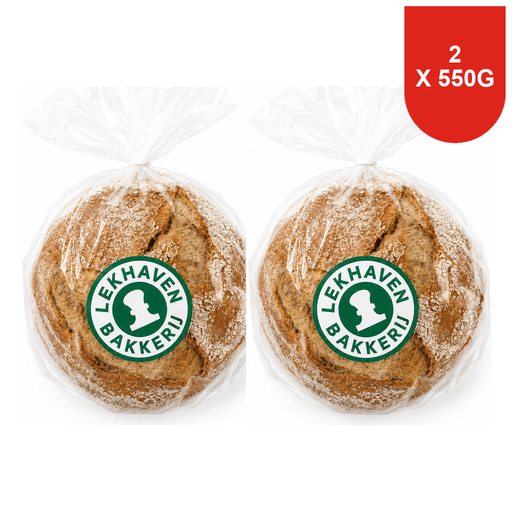 Image unavailable
For anyone wanting to bake two whole loaves and slice them afterwards. Allow time for defrosting, baking and cooling, and check the ingredients, allergens and nutritional information on the packaging.
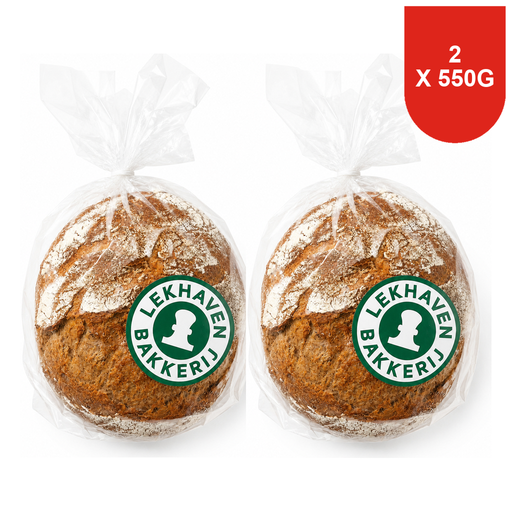 Image unavailable
For anyone looking for two whole, round loaves to slice themselves after baking. Allow time for defrosting, baking and cooling, and check the packaging if ingredients or allergens matter to your guests.
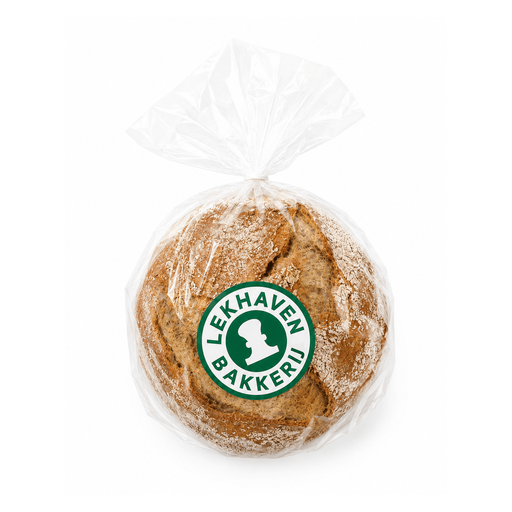 Image unavailable
A single whole, round multigrain loaf for anyone who wants to slice it themselves. Allow time for defrosting and baking, and check the packaging carefully if a guest needs to avoid allergens.
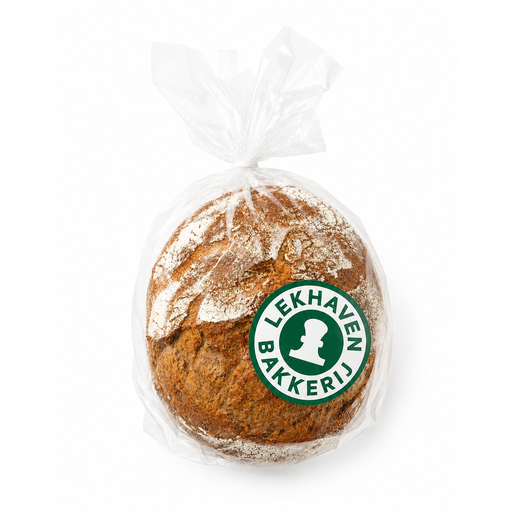 Image unavailable
A single whole, round loaf for anyone who wants to slice it themselves rather than serve pre-sliced bread. After defrosting and baking, allow time for the loaf to cool. Compare the nutritional information on the packaging per 100 g.
Ask whether the bread will be supplied unsliced or can be cut to your preferred thickness. Check before buying several loaves: ‘whole’ can also refer to a complete loaf that has already been sliced.
No, you can’t assume that. According to Voedingscentrum, bakers are not required to use baker’s salt. For packaged bread, read the ingredients list; for unwrapped bread, ask the shop.
No. If a guest needs to eat gluten-free, check that the specific product is clearly labelled as gluten-free. Take care to avoid cross-contamination when preparing and serving it, too.
Ask the branch you’re buying from about ordering options. Lidl says its fresh bread range may vary by branch and recommends contacting the shop about larger quantities of rolls.