
Fans of thick slices
You want to make generously topped snacks, open sandwiches or toasties, and choose the thickness yourself. A whole, unsliced loaf gives you that flexibility; check before buying that it hasn’t already been sliced.


If you want to cut thick slices for generously topped snacks or toasties, choose a whole loaf and check that it’s supplied unsliced. Then compare the type of bread and nutritional information to suit your taste and fibre preferences. For allergens or if you specifically want iodised salt, always check the latest product information.
You want to make generously topped snacks, open sandwiches or toasties, and choose the thickness yourself. A whole, unsliced loaf gives you that flexibility; check before buying that it hasn’t already been sliced.
As well as choosing the slice thickness you want, you’d like to choose between wholemeal and other types of bread. According to the Netherlands Nutrition Centre, wholemeal bread is high in fibre; the type of bread alone won’t tell you how thick the slices are.
You want to check the ingredients and allergens, or find out whether iodised salt has been used. For packaged bread, read the latest label; for unpackaged bread, ask for the product information. The Netherlands Nutrition Centre points out that using baking salt is not compulsory.
Start by checking whether you can slice the bread yourself. Then choose a type of bread that suits your snack and check any information that matters for your choice of ingredients.
| What to consider | What to check when buying | Who is this important for? |
|---|---|---|
| Cutting thick slices yourself | Check that the whole loaf is supplied unsliced and that its shape suits the slices you want to make. | For generously topped snacks, I want to choose how thick to cut my slices rather than be limited to pre-sliced bread. Around 50% of consumers put this control first. |
| Type of bread and fibre | Check that it’s labelled wholemeal and, if you like, compare the fibre per 100 g; multigrain doesn’t automatically mean wholemeal. | For my fakeaway night, I want to choose between types of bread with confidence, without assuming the slice thickness from the name. For around 30% of consumers, the choice of bread matters most. |
| Ingredients and salt | Read the latest ingredients and allergen information. If it’s relevant to your choice, check whether baking salt or iodised salt is listed. | Before buying, I need to be able to check which ingredients the bread contains and which allergens are listed. Around 20% of consumers give this check top priority. |
A whole loaf may already be sliced, which means you can no longer choose the thickness yourself.
Check how the bread is supplied. If it’s unsliced, cut one slice first to see whether the thickness works with your toppings.
The names don’t mean the same thing. Visible grains or seeds don’t, by themselves, confirm that a loaf is wholemeal.
Look for the wholemeal label and read the ingredients list if that matters to you.
According to the Netherlands Nutrition Centre, using baking salt is not compulsory. So the name of the bread won’t tell you which salt has been used.
Check the ingredients for baking salt or iodised salt, or ask about it when buying unpackaged bread.
The ingredients in bread vary from product to product. With unpackaged bread, the allergen information also isn’t always on packaging you can take away with you.
For packaged bread, read the latest label. For unpackaged bread, ask about the allergen information before buying.
Albert Heijn lists products including AH Vloerbrood meergranen heel. The product information helps you compare the ingredients and nutritional value of this bread.
In a recipe for a generously topped dish, Jumbo specifically recommends thickly sliced bread that you cut yourself. The retailer also describes rustic sourdough loaves.
ALDI lists several types of whole loaf, including multigrain artisan bread and wholemeal bread.
PLUS lists products including Korenlanders donker vloer heel and several sourdough varieties.
Dirk lists a whole multigrain artisan loaf and a whole wholemeal artisan loaf.
These round loaves from Joybuy are options if you want to bake them at home and then cut your own slices. Check when choosing that the bread is supplied unsliced; the thickness you want and how well it holds plenty of toppings also depend on how you slice and use it.
 Image unavailable
A round wholemeal option for anyone who wants to factor in the type of bread and slice it at home.
Round bread weighing 550 g. Allow time to defrost, bake and cool before slicing.
Check that the bread is supplied unsliced and read the latest allergen information on the packaging.
 Image unavailable
A round multigrain option if you’re looking for that type of bread and want to slice it yourself after baking.
Round bread weighing 550 g. It needs to be defrosted, baked and cooled before slicing.
Multigrain doesn’t automatically mean wholemeal. Also check that the bread is supplied unsliced and read the latest allergen information.
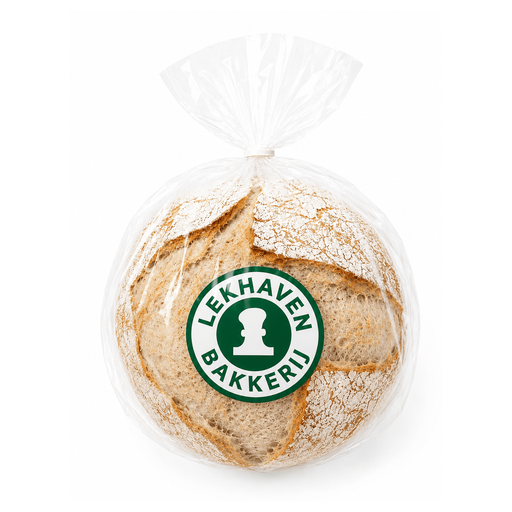 Image unavailable
A round rustic-style option if you want to bake it at home and cut your own slices for a snack.
Round bread weighing 550 g. Allow time to defrost, bake and cool before slicing.
Check that the bread is supplied unsliced. If you’re specifically looking for wholemeal bread, don’t choose based on the rustic name alone.
Choose a whole loaf that’s supplied unsliced, so you can decide on the thickness at home. Jumbo also uses thickly sliced bread that you cut yourself in a recipe for a generously topped dish; for a specific product, check that it hasn’t already been sliced.
No, the term multigrain doesn’t by itself confirm that bread is wholemeal. Check the wholemeal label and ingredients list if you specifically want wholemeal bread, and separately check whether you can cut it thick yourself.
No. According to the Netherlands Nutrition Centre, using baking salt is not compulsory. Check the label or ask which salt has been used for unpackaged bread, rather than trying to tell from the type of bread.
Before buying, ask for the allergen information for that particular bread. The Netherlands Food and Consumer Product Safety Authority says that information for unpackaged food must be available in a way other than on packaging; for pre-packed bread, read the latest label.
You can freeze leftover wholemeal bread in portions. The Netherlands Nutrition Centre gives a storage time of 2–4 days in a kitchen cupboard and 1–3 months in the freezer for wholemeal bread; also check the storage instructions for the bread you buy.