
For generous toppings
Want to cut your own wide strips or thick slices for spreads and other toppings? With a whole loaf, you can choose the shape yourself. If thickness and firmness matter for your bites, check them by cutting a test slice.


Choose a whole loaf if you want to decide the thickness and shape of the slices yourself, so you can pile on plenty of toppings. Pre-sliced party bread saves you the effort of cutting it, but gives you less control over portions and may need preparing. If you want wholemeal bread, check the product description and ingredients rather than relying on a dark colour or the word ‘multigrain’ alone.
Want to cut your own wide strips or thick slices for spreads and other toppings? With a whole loaf, you can choose the shape yourself. If thickness and firmness matter for your bites, check them by cutting a test slice.
Pre-sliced party bread saves you the effort of cutting it and gives you uniformly shaped portions. Just check whether it needs to go in the oven or air fryer before your get-together starts.
A dark colour or the name ‘multigrain’ doesn’t tell you whether bread is wholemeal, as Albert Heijn explains in its guide to types of bread. Look for the word ‘wholemeal’ and compare the fibre per 100 g in the products you’re considering.
For Friday afternoon drinks, first decide whether you want to slice thick pieces yourself or save time. Then compare the nutritional information and think about what you’ll do with any leftover bread.
| What to consider | What to check when buying | Who it matters to |
|---|---|---|
| Slice thickness and toppings | Check whether the bread is sold whole or pre-sliced. If you’re buying a whole loaf and thickness is important, cut a test slice first. | If I want generous toppings, I want to cut the slices to size myself; around 36% of consumers give this freedom to choose the cut top priority. |
| Ease of serving | Check whether the portions are pre-sliced and whether the bread needs to be prepared. | If I need to serve bites quickly, I want minimal cutting and even portions; around 29% of consumers put this convenience first. |
| Wholemeal and fibre | Look for the word ‘wholemeal’ and, where possible, compare fibre per 100 g. Also read the ingredients and allergen information for your chosen bread. | I want to base my bread choice on the wholemeal label and nutritional information, not the colour; around 21% of consumers put this first. |
| Quantity and leftovers | Choose an amount that suits the number of bites you’re serving and follow the storage instructions on the packaging. | For a smaller get-together, I don’t want to be left with more bread than I need; around 14% of consumers put planning the quantity first. |
The words ‘whole’, ‘sliced’ and ‘party bread’ don’t tell you how thick each slice will be for your toppings.
If slice thickness matters, choose a whole loaf so you can cut it yourself, or check a sample slice of the pre-sliced product before buying.
Albert Heijn explains that ‘wholemeal’ refers to the flour used, not the colour of the bread. So the name ‘multigrain’ is no substitute for that label.
Check the product name and ingredients, and compare the nutritional information per 100 g of specific products to check their fibre content.
Pre-sliced bread isn’t necessarily ready to serve straight away. PLUS says its pre-sliced Partybrood needs to be oven-baked, so remember to factor in preheating and the space available in your oven.
Read the preparation instructions on the packaging before deciding when the bread should be ready to serve.
A whole loaf may give you more slices than you need for a smaller get-together.
Plan the quantity in advance. The Netherlands Nutrition Centre recommends freezing bread you don’t need straight away in portions as soon as you buy it.
Albert Heijn offers, among other products, a sliced AH OerDesem dark multigrain loaf. With product names like this, check the difference between a whole loaf and one that has already been sliced.
PLUS offers both a whole Korenlanders multiseed loaf and pre-sliced Partybrood. These options suit different ways of preparing for your get-together.
Lidl describes its oven-fresh bread and pre-packed loaves, and uses a fibre meter on its packaged breads.
These Joybuy products are whole round loaves and multigrain baguettes that you can portion yourself for your get-together. If you choose bake-at-home bread, factor the preparation into your plans; if you need a particular thickness or firmness, check a sample slice.
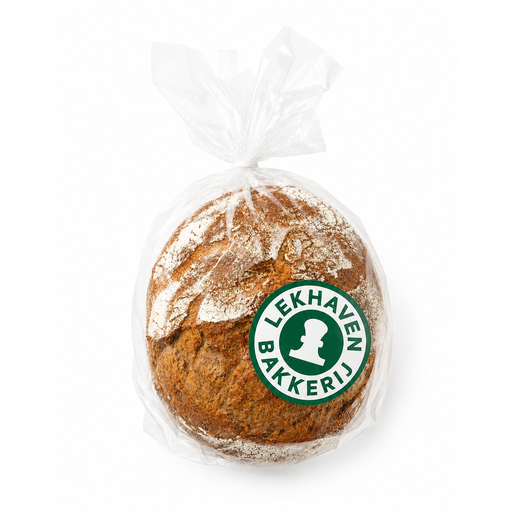 Image unavailable
This round loaf is a good choice if you want to decide the shape and thickness of the slices yourself. It weighs 550 g. Allow time for defrosting, baking and cooling, and follow the baking instructions on the packaging. Also check the allergen information for the exact product.
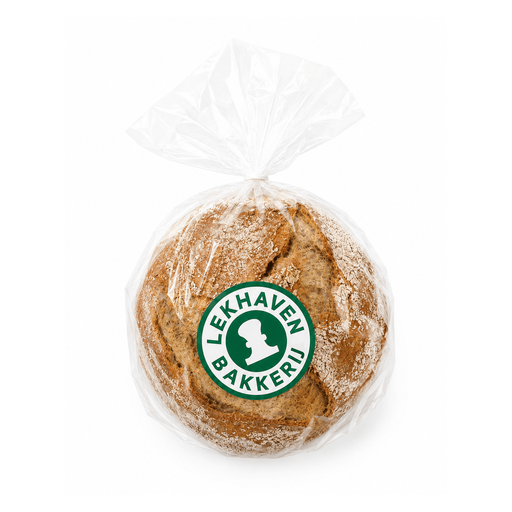 Image unavailable
This round multigrain loaf is an option if you want to slice your own pieces for drinks. It weighs 550 g; ‘multigrain’ on its own doesn’t mean the bread is wholemeal. Allow time for defrosting, baking and cooling, and follow the baking instructions and allergen information on the packaging.
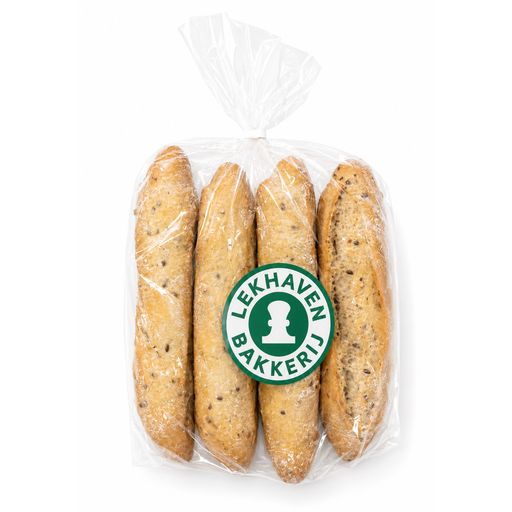 Image unavailable
Once baked, you can cut these multigrain baguettes into pieces for your get-together. The pack contains four loaves weighing 135 g each. Remember to allow time for defrosting and baking, and check the allergen information on the packaging.
No. As Albert Heijn explains in its guide to types of bread, ‘wholemeal’ refers to the flour used, not the colour. Look for the word ‘wholemeal’ on the product and check the ingredients and nutritional information for that loaf.
Yes, as long as you store it according to the packaging and allow time to prepare it before serving. For bread you don’t need straight away, the Netherlands Nutrition Centre recommends freezing it in portions as soon as you buy it.
No. Cutting bread thickly doesn’t change its ingredients or allergens. Always check the label on the specific pack, even if you’ve bought that type of bread before.
No, check the ingredients of the bread you buy. The Netherlands Food and Consumer Product Safety Authority explains that, in the Netherlands, iodine compounds may only be present in bread, bread substitutes and other bakery products through added baker’s salt. This doesn’t mean you can assume that every individual loaf contains iodised salt.