What should you look for when choosing?
Before your snack night, decide whether you want to choose the thickness yourself. Then weigh up the type of bread, crust and preparation involved.
| What to consider |
What to check when buying |
Who it matters to |
| Slice thickness and firmness |
Choose a whole loaf if you want to slice it yourself. Check that the slice thickness you want will work with your filling and any grill you plan to use. |
With a generous or moist filling, I want to decide how thick the bread base should be. For around 33% of consumers, having control over slicing would be their top priority. |
| Wholemeal and nutritional value |
Check the type of bread and compare the fibre and salt content of specific products per 100 g; brown or multigrain bread isn’t automatically wholemeal. |
If I want to use wholemeal bread, I look beyond its colour or crust. This choice of bread would come first for around 27% of consumers. |
| Crust and texture |
Consider which type of crust will suit your snack. A tiger crust or hearth loaf doesn’t in itself tell you how thick the slices are. |
For a snack where I want the crust to stand out, I’d choose based on texture rather than a set slice size. Around 20% of consumers would consider this first. |
| Preparation and leftovers |
Compare whole and pre-sliced bread in terms of slicing effort and portion size. Decide in advance what you’ll do with any leftover bread. |
If I’m serving several snacks at once, I want to keep preparation to a minimum and be able to store any leftovers. For around 20% of consumers, this would be their main consideration. |
Brands to consider
These shops offer different types of bread to compare. Check the slicing, ingredients and nutritional information for the specific loaf you’re considering.
Albert Heijn
A useful reference if you want to check the details of a wholemeal tiger loaf.
- The product page for AH Wholemeal Tiger Loaf (Whole) describes a crisp tiger crust and lists nutritional values and allergens.
- The name of this bread doesn’t specify slice thickness, so check whether you want to and can slice it yourself.
Jumbo
A good place to start if you want to browse different types of bread, including fine wholemeal and tiger bread.
- The bread selection lets you browse whole and sliced loaves as separate options.
- Check how the specific loaf is sliced if slice thickness is important for your snack.
Lidl
An example of a shop offering a wholemeal tiger hearth loaf.
- The product name Wholemeal Tiger Hearth Loaf (Whole) makes it clear that it’s a whole loaf.
- Check the latest shop information and the packaging; the name doesn’t specify slice thickness.
ALDI
Worth considering if you want to compare different types of whole loaf.
- ALDI offers, among other options, a wholemeal farmhouse tiger loaf and whole hearth loaves.
- Compare each option individually: the type of loaf or name of the crust says nothing about the slicing thickness or nutritional value of other breads.
PLUS
A useful reference for wholemeal bread with nutritional and allergen information.
- PLUS Farmhouse Wholemeal Loaf (Whole) lists details including fibre, salt and allergens.
- Compare the information on the packaging you buy; ‘wholemeal’ alone doesn’t tell you how thick the slices are.
Dirk
An example to consider if you want to assess a whole brown tiger loaf by its crust and texture.
- Dirk describes Bakker van der Akker Farmhouse Brown Tiger Loaf (Whole) as having a crisp crust and firm brown centre.
- That description doesn’t specify slice thickness; cut the slices yourself if you need a particular thickness for your snack.
Bread to slice yourself at Joybuy
These round wholemeal and multigrain loaves are suitable for snack night if you want to slice them yourself. Allow time to defrost, bake and cool the bread before slicing, and decide whether the loaf shape and slice thickness will work for your snack.
 Image unavailable
Lekhaven Bakkerij round wholemeal bread, 550 g x 2
For anyone who wants to choose their own slice thickness and is looking for wholemeal bread. Two round loaves in a pack, each weighing 550 g; allow time to defrost, bake and cool the bread before slicing. Check the preparation instructions and allergen information on the packaging.
View at Joybuy
 Image unavailable
Lekhaven Bakkerij round wholemeal bread, 550 g
A wholemeal loaf to slice yourself when one round loaf better suits the portions you have planned. The bread weighs 550 g and needs preparing before slicing. Check the baking time on the packaging: the available preparation instructions give different times. Check the allergen information there too.
View at Joybuy
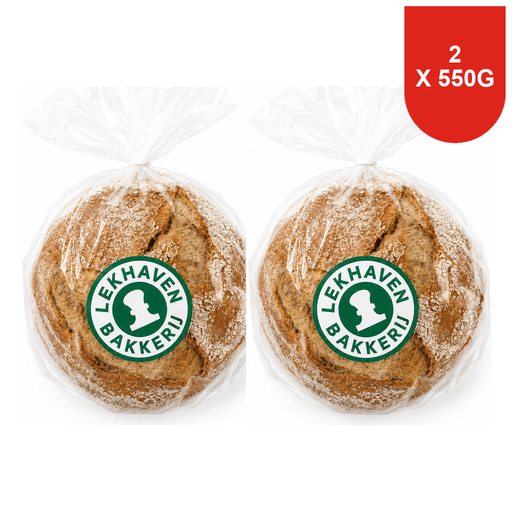 Image unavailable
Lekhaven Bakkerij round multigrain bread, 550 g x 2
For anyone who wants to slice their own bread and is looking for a multigrain loaf with seeds. The pack contains two round loaves weighing 550 g each; leave the bread to cool after defrosting and baking before slicing. Don’t assume multigrain means wholemeal, and check the allergen information on the packaging.
View at Joybuy
 Image unavailable
Lekhaven Bakkerij round multigrain bread, 550 g
For anyone who wants to use one round multigrain loaf and cut the slices to size. The bread weighs 550 g and needs to be defrosted, baked and cooled before slicing. Check the baking time on the packaging, as the available instructions give different times; check the allergen information too.
View at Joybuy
Frequently asked questions
Does ‘thick cut’ mean a set thickness for bread?
Don’t assume it means a set thickness, whether you see this term or names such as tiger bread and hearth loaf. If your snack needs a slice of a particular thickness, a whole loaf lets you cut it yourself. If you want the shop to slice it for you, ask about the options beforehand.
Does bread always contain iodised baker’s salt?
No. According to the Netherlands Nutrition Centre, there’s no requirement to bake bread with baker’s salt. Check the ingredients of the bread you choose, or ask about it when buying unpackaged bread if this matters to you.
How can I check for allergens in bread for my snacks?
For packaged bread, read the ingredients list and check the allergens highlighted on the label. The Netherlands Food and Consumer Product Safety Authority states that allergen information for prepacked products must appear on the label. For unpackaged bread, ask for the information before buying.
What should I do with bread left over after snack night?
If you’re not going to use the bread straight away, it’s best to freeze it in portions on the day you buy it, as recommended by the Netherlands Nutrition Centre. That way, you can take only as much as you need out of the freezer later.
Should I compare the salt content of bread?
Compare the salt per 100 g if it matters to your choice of bread, especially if your snacks also include savoury fillings or sauce. The Netherlands Nutrition Centre recommends comparing the labels of similar products side by side; use the values for the varieties you’re actually considering.


