
Nursery teams slicing bread for lunch
If you cut sandwiches into filled fingers or triangles, it helps to choose bread that remains easy to handle. Also consider whether the slices can be cut into pieces that are the right size for the children.


For lunch, start with wholemeal or brown bread, as recommended for childcare by the Netherlands Nutrition Centre. A thicker slice is mainly useful if you want to make filled fingers or triangles: check that the bread is easy to handle after slicing and that the pieces are suitable for the age group. For individual allergy arrangements, always check the current label and the nursery’s policy.
If you cut sandwiches into filled fingers or triangles, it helps to choose bread that remains easy to handle. Also consider whether the slices can be cut into pieces that are the right size for the children.
If a coarse texture is awkward to work with, fine wholemeal bread could be an option. Check separately that the bread is genuinely wholemeal and that the slices are practical to portion.
For arrangements involving gluten or other allergens, the current label and the individual policy should take priority. Follow the nursery’s and parents’ agreed process when changing products.
Start with the type of bread, then check the actual slice and portion size, and make sure your choice complies with any individual allergy arrangements. The word ‘sliced’ alone doesn’t tell you how thick the slices are.
| What to consider | What to check when buying | Who it matters to |
|---|---|---|
| Slice and portion size | Check the actual slice thickness and see whether a slice can be cut into pieces of a suitable size. | I want to make filled fingers that children can hold, without giving them a piece that’s too large. For around 37% of consumers, ease of slicing and portioning comes first. |
| Type of bread and nutritional information | Check whether the bread is wholemeal or brown; compare the nutritional value per 100 g for suitable products. | For an everyday lunch staple, I want to know which type of bread I’m choosing before looking at the slice. Around 36% of consumers give this choice top priority. |
| Allergens and arrangements | Read the current label, including relevant warnings about possible cross-contamination, and follow the nursery’s individual policy. | If a child has an allergy arrangement, I want to check the label against that arrangement before using a new bread. For around 27% of consumers, this check is their main concern. |
The thickness and appearance don’t tell you whether bread is wholemeal. The Netherlands Nutrition Centre lists wholemeal and brown bread as lunch options for childcare.
Check the type of bread first, then see whether the slices are suitable for cutting into pieces.
Ingredients and allergen information can change. A product name you’ve used before is no substitute for checking the packaging of the bread you’re about to use.
Read the current label and follow the nursery’s allergy policy for individual arrangements.
The Netherlands Nutrition Centre highlights bread made with baker’s salt when bread’s contribution to iodine intake is important. The type of bread alone doesn’t tell you whether baker’s salt has been used.
Check the product information or ask the bakery if this is part of your nutrition policy.
A large slice doesn’t automatically give you pieces of the right size. Consider how many usable fingers or triangles you can cut from it.
Try out your chosen way of slicing and adjust the pieces to suit the age group.
Pieces that are too large or unused offcuts can lead to more bread waste.
Albert Heijn lists products including AH OerDesem wholemeal Allinson, unsliced.
Jumbo Fijn Volkoren is an example of a fine-textured wholemeal wheat bread.
Lidl describes a kids’ bread made with extra-finely milled wholemeal flour and publishes ingredient information for its oven-fresh range.
ALDI lists a sliced Fijn Volkoren loaf.
The product information for PLUS Rond fijn volkoren heel lists wheat, barley and gluten-containing cereals as allergens.
Dirk’s bread range includes wholemeal floor bread, unsliced, and wholemeal batard.
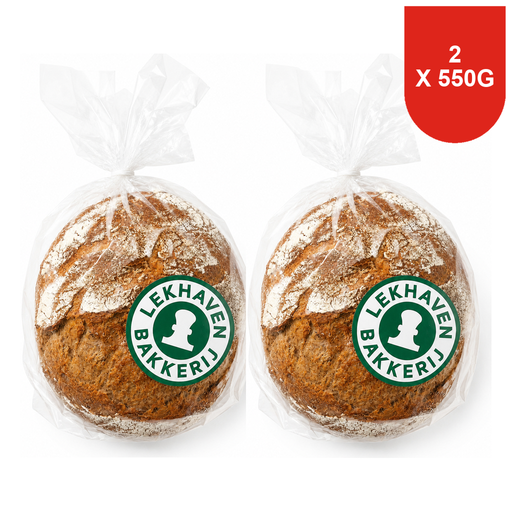
These two round wholemeal loaves are options if you want to choose the slice thickness yourself after preparing the bread. You can only judge whether the prepared bread has the right thickness and firmness for filled portions for children once it’s ready.
 No image available
An option if you want to choose how thickly to slice the bread for lunch portions after preparing it.
The pack contains two 550 g loaves. Allow time for defrosting, baking and cooling before slicing.
Once prepared, check the firmness and size of the pieces. For individual allergy arrangements, check the current packaging.
 No image available
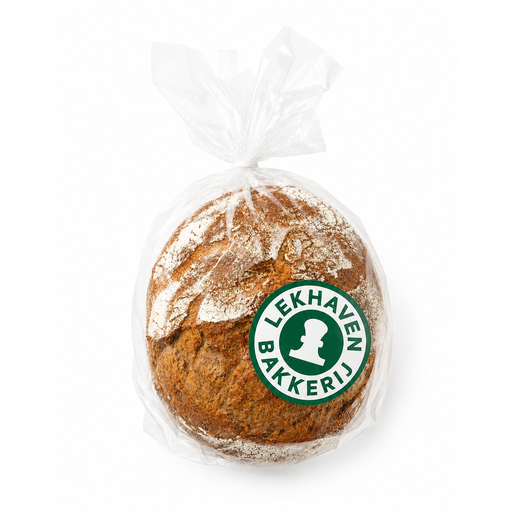
An option if you want to cut the bread to suit your lunch portions after preparing it.
This round wholemeal loaf weighs 550 g. It needs to be defrosted, baked and cooled before you slice it.
Check that the prepared slices are firm enough and can be portioned to a suitable size. For individual allergy arrangements, read the current label.
No. A thick slice can be practical for filled fingers or triangles, but choose a suitable type of bread first: the Netherlands Nutrition Centre recommends wholemeal or brown bread for childcare. Then check that the pieces are suitable for the children.
No. An individual arrangement will determine when a separate gluten-free option is needed. Regular bread containing gluten isn’t suitable for someone with coeliac disease; follow the nursery’s policy for the child concerned and check the current label.
Read the ingredients and allergen information on the new bread’s current packaging. Also check any relevant warnings about possible cross-contamination against the individual arrangements; don’t rely solely on a product page you viewed earlier.
Check the product information or ask the bakery. If bread’s contribution to iodine intake is a consideration in your nutrition policy, don’t rely on the type of bread alone; the Netherlands Nutrition Centre specifically highlights bread made with baker’s salt.