
Anyone making generously topped snacks
If you want to decide how thick each slice is, ask specifically for unsliced bread. A whole loaf may already be sliced, so check its slicing status before assuming you can cut your own slices.


Choose bread that is clearly labelled as unsliced if you want to cut your own thick slices for a generously topped snack. Choose pre-sliced bread when convenience and an acceptable texture matter more. Check what ‘whole’ means for the bread in question, as the term alone does not tell you whether it is sliced. For bread you eat regularly, the Voedingscentrum recommends wholemeal or brown bread rather than white bread. Also check the current label if ingredients, allergens or baker’s salt are important to you.
If you want to decide how thick each slice is, ask specifically for unsliced bread. A whole loaf may already be sliced, so check its slicing status before assuming you can cut your own slices.
Your choice of bread should also suit the texture your child accepts. The Voedingscentrum recommends wholemeal or brown bread for children and points out that bread made with baker’s salt is important for iodine intake.
Pre-sliced bread saves you the effort of cutting it, but you cannot choose the thickness yourself. Jumbo lists fine and coarse wholemeal options, while ALDI describes its fine wholemeal bread as sliced. Check the slices of the specific product if thickness is a deciding factor.
First, decide which texture the eater will accept and whether you want to cut the slices yourself. Then compare the type of bread and the label information, without treating a name such as ‘coarse’ as an indication of slice thickness.
| What to consider | What to check when buying | Who it matters to |
|---|---|---|
| Choosing the slice thickness yourself | Ask whether the bread is supplied unsliced and whether you can cut it yourself or have it cut thickly. | I want a thick slice for generous toppings, but need to be able to choose how thick it is. Around 33% of consumers put control over slice thickness first. |
| An acceptable texture | Consider what the eater thinks of the crust and coarse or fine texture; try a small amount first if necessary. | If coarse bread is left uneaten, a thick slice is no use: the eater has to be happy with the texture. Around 42% of consumers put texture acceptance first. |
| Type of bread and ingredients | Compare wholemeal, brown and white bread, and check the current label if allergens or baker’s salt are relevant. | For bread eaten regularly, I want to take the type of bread and its ingredients into account without losing sight of whether it will be eaten. Around 25% of consumers give this choice of nutrition and ingredients the highest priority. |
A whole loaf does not automatically mean thick slices or a loaf you still need to cut yourself.
Ask the shop or baker explicitly whether the bread is sliced and whether it can be cut thickly.
These words in a product name do not guarantee a set thickness for each slice or that it can support lots of toppings.
Look at the individual slices if thickness matters, and assess the texture separately based on what the eater will accept.
The Voedingscentrum recommends wholemeal and brown bread, but a fussy eater may find a particular crust or texture difficult.
Try a small amount of an option with an acceptable texture first, rather than making a big change straight away.
Bread that is left uneaten may end up being thrown away.
A general description such as wholemeal does not tell you everything about the ingredients in the bread you buy.
If you have an allergy or other dietary restriction, check the current label every time. Also check the product information if the use of baker’s salt is important to your choice.
Albert Heijn’s online range includes wholemeal, floor-baked and whole loaves, which you can compare by type of bread.
Jumbo offers fine and coarse wholemeal options for anyone looking to compare different bread textures.
Lidl shoppers can explore options including sliced wholemeal bread.
ALDI offers sliced fine wholemeal bread and a range of whole wholemeal loaves.
PLUS’s online range includes wholemeal and floor-baked loaves.
Dirk offers a range of wholemeal breads and loaf styles, including floor-baked and multigrain bread.
These round loaves are worth considering if you want to cut your own slices for generously topped snacks. Check whether each loaf is supplied unsliced; the product name alone does not confirm this.
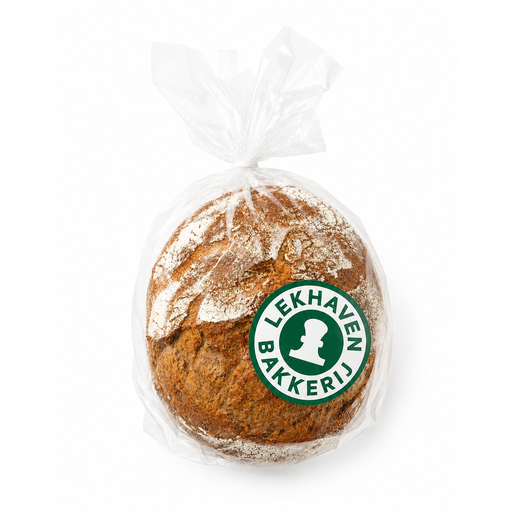 Image unavailable
If you want to choose the thickness of your slices, check whether this loaf is supplied unsliced. It is a 550 g round wholemeal loaf. Consider whether its texture is right for you, and check the current label if you have an allergy.
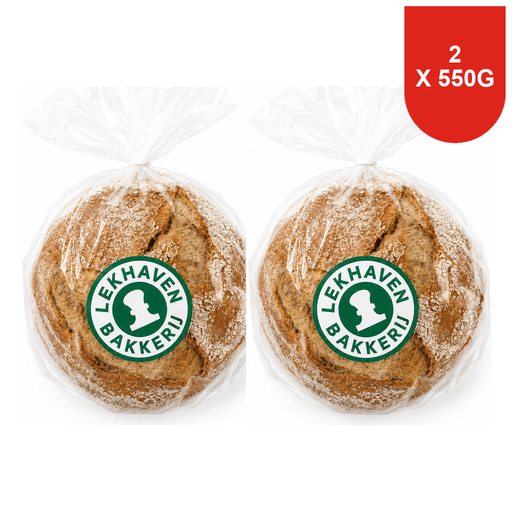 Image unavailable
If you want to cut thick slices, check whether the loaves are supplied unsliced. The pack contains two round multigrain loaves, each weighing 550 g. Check the label if wholemeal ingredients or allergens are important to your choice.
Wholemeal bread is the preferred choice from a nutritional point of view, but the eater also needs to accept its texture. The Voedingscentrum recommends replacing white bread with wholemeal or brown bread as much as possible. If they are reluctant to eat a coarse texture, try an option they are happy to eat first.
Only if the loaf is supplied unsliced. ‘Whole’ can also refer to the size of the loaf, as opposed to ‘half’, so ask whether it is sliced or check the product listing before choosing a loaf to cut yourself.
Check whether the bread is made with baker’s salt. The Voedingscentrum says bread made with baker’s salt is important for children’s iodine intake. Don’t assume you know the ingredients of a particular loaf just from its type of bread, and ask the baker if necessary.
Read the current label on the exact bread you are buying. Ingredients and allergens can vary between products; PLUS notes in its product information that these details can change.