
If you make generously topped snacks
If the thickness of your bread matters for your toppings, a whole loaf lets you slice it yourself. With pre-sliced bread, it’s worth checking the slices: ‘coarse’ doesn’t tell you how thick they are.


If you want to choose the thickness of your slices for generously topped snacks, choose a whole loaf you can slice yourself. Pre-sliced bread saves time, but terms such as ‘coarse’ and ‘hearty’ don’t tell you how thick the slices are. If you’re buying bread for the week, divide any you won’t use soon into portions and freeze them. Always check the label of the bread you choose for wholemeal content, ingredients and allergens.
If the thickness of your bread matters for your toppings, a whole loaf lets you slice it yourself. With pre-sliced bread, it’s worth checking the slices: ‘coarse’ doesn’t tell you how thick they are.
You don’t want to use up your whole week’s supply at once. Freezing it in portions makes it easier to defrost only what you need. The Netherlands Nutrition Centre says wholemeal bread keeps for 2–4 days in a kitchen cupboard and 1–3 months in the freezer.
Bread can look hearty without being wholemeal. Check the product description and, if they matter to your choice, compare fibre and salt per 100 g. If you have an allergy, always check the ingredients and allergen information on the current packaging.
First decide whether you want ready-sliced bread or would rather choose the thickness yourself. Then consider how much bread you’ll use during the week and which label information matters to you.
Choose this if: you want to grab bread for snacks without having to slice it yourself.
Bear in mind: even when bread is described as ‘coarse’ or ‘hearty’, you’ll need to check the actual slice thickness.
Choose this if: you want to cut thicker or thinner slices yourself to suit different toppings.
Bear in mind: slicing it yourself takes time. Check whether the particular loaf needs baking before you can eat it.
| What to consider | What should you check? | Who is this most important for? |
|---|---|---|
| Slice thickness | Check the slices if you’re buying pre-sliced bread. Choose a whole loaf if you want to decide the thickness yourself. | When I’m adding plenty of toppings or heavier fillings, I want to choose how thick my slice is. Around 42% of consumers put control over slicing first. |
| Storage | Choose an amount that suits how much you use and check the storage instructions; freeze bread in portions for later. | If my bread needs to last several days, I don’t want to have to defrost it all at once. For around 33% of consumers, storing bread in portions matters most. |
| Label | Check whether it’s labelled wholemeal, compare fibre and salt per 100 g if you wish, and read the allergen information. | I want to know what’s in the bread before I buy it for the week. This label information comes first for around 25% of consumers. |
‘Coarse’ and ‘artisan’ aren’t standard measures of slice thickness. So pre-sliced bread described this way may not have the slices you want for your toppings.
Look at the bread or ask the shop how it’s sliced. If you want to choose the thickness yourself, buy a whole loaf.
Bread you won’t use until later in the week may lose quality. The Netherlands Nutrition Centre says wholemeal bread keeps for 2–4 days in a kitchen cupboard, compared with 1–3 months in the freezer.
Divide the bread into portions you can use after buying it, and follow the storage instructions on the packaging too.
‘Multigrain’, ‘coarse’ and ‘wholemeal’ aren’t interchangeable. Ingredients and allergens also vary from one product to another.
Check the current packaging if wholemeal content, fibre, salt, allergens or iodised salt matter to your choice.
These brands give you options for comparing bread formats, slicing methods and label information. Always assess the specific loaf you’re thinking of buying.
Albert Heijn offers various types of wholemeal and hearth bread.
Jumbo offers wholemeal varieties described as ‘coarse’ and ‘hearty’, among other things.
Lidl lists Knip volkoren as sliced bread weighing 800 g.
ALDI offers, among other things, sliced farmhouse wholemeal multigrain bread and a whole extra-high-fibre wholemeal loaf.
PLUS Grof volkoren heel is an option if you want to slice your own bread.
Dirk offers, among other things, Bakker van der Akker Batard volkoren and volkoren vloerbrood.
These Joybuy products suit you if you want to slice your own bread. Both need to be defrosted, baked and cooled before use, so they aren’t ready-to-eat, pre-sliced loaves. Only the Whole Wheat variety is described here as wholemeal.
 Image unavailable
A round wholemeal loaf for anyone who wants to slice it themselves after baking. Defrosting, baking and cooling take some preparation, so check the baking time on the packaging. Check the current label if ingredients, allergens or iodised salt matter to your choice.
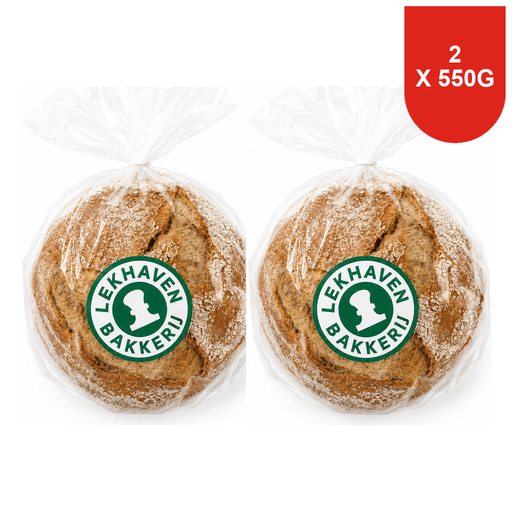 Image unavailable
Two 550 g round multigrain loaves for anyone who wants to choose their own slice thickness. These loaves also need to be defrosted, baked and cooled before use. Multigrain isn’t the same as wholemeal: check the label if wholemeal bread is a requirement for you, and read the allergen information there too.
With a whole loaf, you decide the thickness yourself. If you want pre-sliced bread, check the slices or ask how it’s cut; ‘coarse’, ‘hearty’ and ‘artisan’ don’t guarantee a particular slice thickness.
Freeze the portion you’ll use later in the week, and follow the instructions on the packaging. The Netherlands Nutrition Centre says wholemeal bread keeps for 2–4 days in a kitchen cupboard and 1–3 months in the freezer. Its quality may deteriorate if you store it for longer.
No. Check the ingredients for the specific loaf. A name such as ‘wholemeal’ or ‘coarse’ won’t tell you which type of salt has been used. Read the current packaging if this matters to your choice.