
Snack makers who like generous toppings
If you’re making topped or toasted snacks, a whole loaf lets you decide how thick to cut the slices. Check the bread’s texture too: a thick slice isn’t automatically sturdy enough for every topping.


If you want to cut thick slices yourself for generously topped snacks, choose a whole loaf. Pre-sliced bread is more convenient when even portions are the priority, but check the actual slice thickness. Bake-at-home rolls need preparing and are no substitute for thick slices of bread. Check the product information separately to find a wholemeal option and see whether baker’s salt is used: according to the Netherlands Nutrition Centre, baker’s salt contains added iodine, but not every baker uses it.
If you’re making topped or toasted snacks, a whole loaf lets you decide how thick to cut the slices. Check the bread’s texture too: a thick slice isn’t automatically sturdy enough for every topping.
If you want to serve wholemeal bread, check the product name and ingredients separately from the slice thickness. The Netherlands Nutrition Centre describes wholemeal bread as a type of bread containing fibre, vitamins and minerals; the label says nothing about how thick the slices are.
Pre-sliced bread gives you ready-portioned slices without any cutting. Bake-at-home rolls are another way to serve bread, but they still need preparing. Check the size and baking instructions before you shop for the evening.
First decide whether you need thick slices or would rather serve ready-portioned bread. Then check the type of bread, ingredients and quantity separately.
| What to consider | What to check when buying | Who it matters to |
|---|---|---|
| Slice thickness and sturdiness | Choose a whole loaf if you want to decide the thickness yourself. With pre-sliced bread, check the slices and see whether the texture suits your toppings. | If I’m adding generous toppings, I want to be able to cut the slices myself rather than assume the bread’s name tells me how sturdy they’ll be. Around 31% of consumers prioritise slice thickness and sturdiness above all else. |
| Wholemeal and ingredients | Check the wholemeal label and, if needed, compare the fibre per 100 g. Check the ingredients list to see whether baker’s salt has been used. | If the type of bread matters more to me than slice thickness, I want to be able to check whether it’s wholemeal and review the ingredients. Around 25% of consumers put this choice first. |
| Serving and storage | For bake-at-home bread, check the baking instructions and plan how many portions you’ll need. If you’ll use bread later, freeze it in portions after buying, as advised by the Netherlands Nutrition Centre. | When guests are joining me for one evening, I want to serve portions without lots of slicing and be able to store any leftovers. Around 25% of consumers prioritise ease of serving and preparation. |
| Quantity and availability | Compare whole and half loaves, or the number of rolls, with the portions you need. Check the range at your chosen shop. | I want to bring enough bread for my guests without relying on a type that my shop doesn’t stock. Around 19% of consumers put the right quantity and availability first. |
Wholemeal, farmhouse and hearth-baked describe the type of bread, not how thick a pre-sliced loaf’s slices are. So the slices may not be as thick as you’d like for a generously topped snack.
If thickness is essential, choose a whole loaf to slice yourself or check the pre-sliced bread before buying.
According to the Netherlands Nutrition Centre, bread contributes to iodine intake in the Netherlands because iodine is added to baker’s salt. However, not every baker uses baker’s salt.
Check the ingredients on packaged bread, or ask which salt has been used for unpackaged bread if it matters to your choice.
A whole loaf, a half loaf and a pack of bake-at-home rolls won’t provide the same number of portions. Bake-at-home products also need an extra preparation step.
Decide how many slices or rolls you want to serve, then check the size and baking instructions.
If you buy more bread than you’ll use that evening, you won’t want the rest to go to waste.
The Netherlands Nutrition Centre advises freezing bread in portions as soon as you buy it, then taking out only what you need.
Albert Heijn’s online range includes whole tiger wholemeal loaves and sliced OerDesem varieties.
Jumbo’s bread range includes wholemeal loaves and bake-at-home bread.
Lidl’s range includes oven-fresh, pre-packed and bake-at-home bread.
ALDI’s range includes white, wholemeal and multigrain bread.
PLUS’s range includes whole wholemeal loaves and sourdough bread.
Dirk’s range includes wholemeal, white, multigrain and sourdough bread.
These Joybuy products are round loaves for anyone who wants to slice their own bread. Allow time for defrosting and baking; check the packaging for instructions on preparing your chosen loaf.
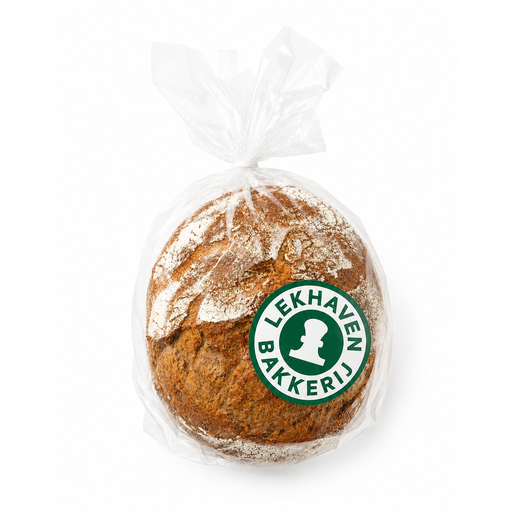 Image unavailable
A round loaf for anyone who wants to choose the slice thickness for topped snacks.
Check the baking instructions on the packaging and let the bread cool before slicing. If you’re using generous toppings, check the texture for yourself.
To find out whether baker’s salt has been used, read the ingredients on the packaging.
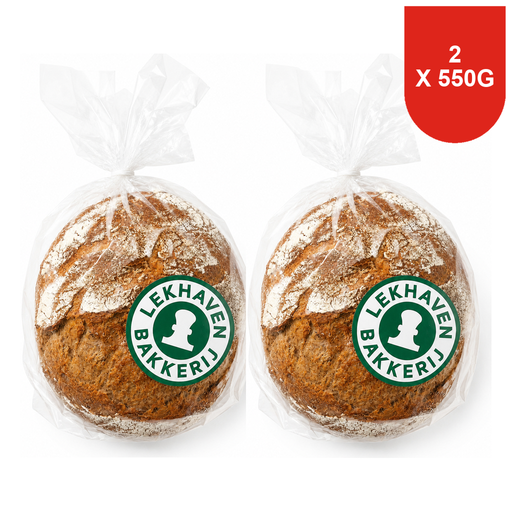 Image unavailable
Two round loaves for anyone who wants to prepare several portions and slice the bread themselves.
Allow time to defrost the loaves, bake them according to the packaging and let them cool. Check the label if the salt content or use of baker’s salt matters to your choice.
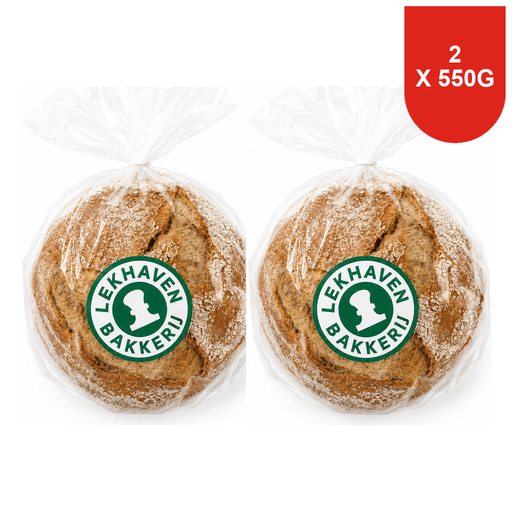 Image unavailable
Two round multigrain loaves for anyone who wants to cut their own slices for the festive evening.
Allow time to defrost, bake and cool the bread according to the packaging. If you specifically want wholemeal bread or need to check for allergens, check the product name and label information; multigrain doesn’t automatically mean wholemeal.
No. Wholemeal describes the type of bread, not the thickness of a slice. Choose a whole loaf if you want to cut thick slices yourself, or check the slices on a pre-sliced loaf before buying.
No. According to the Netherlands Nutrition Centre, iodine is added to baker’s salt, but not every baker uses it. For packaged bread, read the ingredients list; for unpackaged bread, ask which salt has been used.
For pre-packed bread, allergen information is on the label. For unpackaged bread, the Netherlands Food and Consumer Product Safety Authority says this information must be made available in another way; ask for it before choosing the bread.
If you want to use the bread later, it’s best to freeze it in portions as soon as you buy it, as advised by the Netherlands Nutrition Centre. That way, you can take out only what you need for St Nicholas’ Eve. Follow the instructions on the packaging too.