
Same-day & Next-day Delivery

Quality Guaranteed

Unlock Your Welcome Offers: FREE Delivery | Up to 80% OFF | Free 30-day JoyPlus trial
Download the APP
A hot lunch at the office, soup on a walk or chilled tea in the car: a thermos flask and food flask can replace many disposable containers. However, a purchase can sometimes disappoint in practice. The lid leaks, the opening is too narrow or the capacity turns out to be insufficient for a full meal.
With this guide, you can compare thermos products based on verifiable features such as capacity, material, closure, opening and maintenance.
Brands often state how many hours their products can keep contents hot or cold. These figures may vary depending on the starting temperature, the amount of liquid, how often you open the flask and the ambient temperature. According to the manufacturer's product information, for example, Stanley states that the Artisan Thermal Food Jar keeps contents hot for up to 13 hours and cold for up to 15 hours. The Maxcook food flask is stated to retain temperature for 4–6 hours.
Treat such figures as an indication rather than a guarantee for every situation. For a short train journey, 4–6 hours may be sufficient. For a long working day or camping trip, a model with a longer stated retention time may be more practical.
A leakproof thermos depends on more than just the material of the flask. The thread, silicone ring and closing mechanism are at least as important. Check whether the seal can be replaced or cleaned thoroughly. Food residue in the lid can affect how securely it closes.
Also follow the usage instructions. Some products recommend that you do not carry the thermos upside down or at an angle. Do not completely fill a flask for hot drinks, as hot contents can create pressure.
A narrow drinking flask is suitable for coffee, tea or water, but less convenient for pasta, yoghurt or soup. A food thermos usually needs a wide opening. This makes it easier to fill, eat from and clean.
Also consider the size. A 470 or 500 ml food thermos container is generally suitable for one portion. For two people or a larger meal, models measuring 1.4 or 1.5 litres make more sense, although they take up more space and weigh more.
A stainless steel thermos flask is sturdy and suitable for everyday use. 304 stainless steel, also known as 18/8 steel in some product descriptions, is often used for food and drinks containers. 316 stainless steel has a different composition and is also used in food containers.
The type of steel does not tell you everything about ease of use. Also look at the interior, lid materials and sealing ring. An uncoated interior may help reduce the transfer of odours or flavours, according to the product descriptions of some THERMOS models.
Choose the capacity based on how you normally plan to use it:
A larger capacity usually also means a wider diameter and greater weight. So check whether the 1-litre thermos flask or 1.2-litre thermos flask fits in your bag, cup holder or lunch compartment.
A wide opening is useful for a soup thermos or food container. A drinking flask with a push-button lid can be convenient if you want to drink one-handed while on the move. With a lid made up of several parts, pay close attention to cleaning. Parts that do not dry properly can retain odours.
Maintenance instructions vary from product to product. Mepal, for example, states that the coloured part should be hand-washed, while the plastic lid components are dishwasher-safe. Other models specify that they can be placed in the top rack of the dishwasher. Always follow the manufacturer's instructions to keep the seal and insulation layer working effectively for as long as possible.

Why it suits this profile: The 1.4-litre capacity is suitable for several portions, while the wide opening makes filling, eating and cleaning easier.
The product information states that it is made from 304 stainless steel, with vacuum insulation and a wide opening. The manufacturer recommends carrying the jar upright and washing it by hand.
1.4-litre capacity, 304 stainless steel, wide opening and a storage bag included.
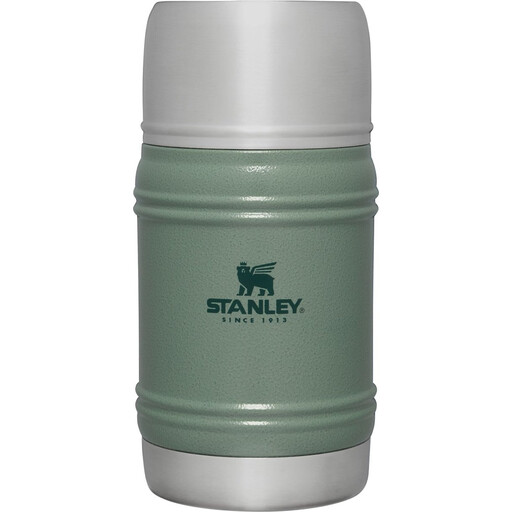
Why it suits this profile: This compact size is designed for one meal and, according to the product description, features a cork insert and cork lid with a steel stopper.
The product information states that it has a leakproof closure and is dishwasher-safe. The stated capacity makes it clear that this model is primarily intended for one portion.
500 ml capacity, recycled stainless steel according to the product information, and stated retention times of 13 hours for hot contents and 15 hours for cold contents, according to Stanley.
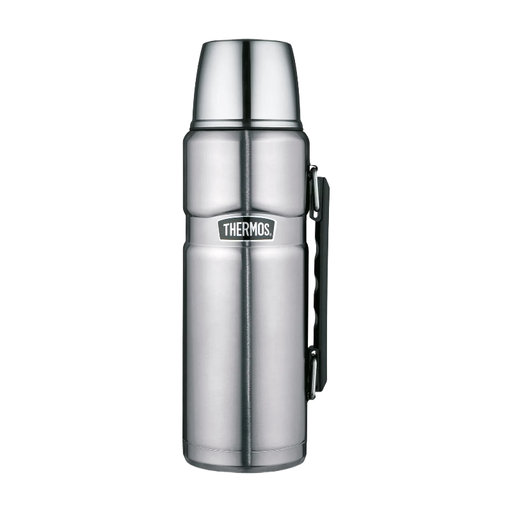
Why it suits this profile: The 1.2-litre capacity is well suited to camping, outdoor work, long car journeys and days when topping up is difficult.
The stated dimensions and weight of 674 grams give you a clear idea of its portability in advance. According to the product information, the screw cap has an integrated seal.
1.2-litre capacity, stainless steel, height of 31.2 cm and a screw cap with sealing structure.
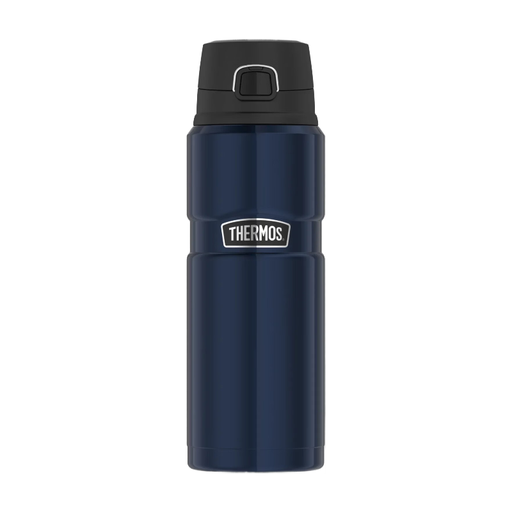
Why it suits this profile: With a 700 ml capacity, this is a practical mid-sized option for commuting, the office and outdoor use.
The product information mentions a safety lock, one-handed operation and components that can be placed in the top rack of the dishwasher.
700 ml capacity, height of 25 cm, weight of 468 grams and stated values from THERMOS of 15 hours hot and 24 hours cold.
We have put together a complete, up-to-date list of products that fully meet these strict selection criteria and the applicable European safety regulations.
First, rinse the flask with hot water for a few minutes. Pour the water away, then fill the flask with your meal. According to Maxcook's product information, preheating helps support temperature retention. Do not fill it to the brim and screw the lid on firmly.
Its lifespan depends on the material, use and maintenance. Stainless steel will generally withstand everyday use, but a dent can affect the vacuum insulation. Check the silicone seal regularly and replace a worn ring if the manufacturer allows this. Do not use an abrasive sponge and follow the cleaning instructions.
Not quite. An insulated lunch box is often wider and suitable for bread, fruit or several separate containers. A food flask is usually more airtight and designed for soup, stews or hot pasta. Choose a food container with a wide opening if you want to eat directly from the flask.
